ReportElectric cars
Updated Hyundai Ioniq 6 starts at £33,240 with the grant: what 422 miles means on the road and on your bill
Hyundai has opened UK orders for the updated Ioniq 6, with an 84 kWh battery, a claimed range of up to 422 miles and deliveries from early 2027. The cheapest version gives the longest range, and on Hyundai's own efficiency figure it costs about 5.7p a mile to charge at home.
By Charjin Editorial Desk4 minutes10 sources
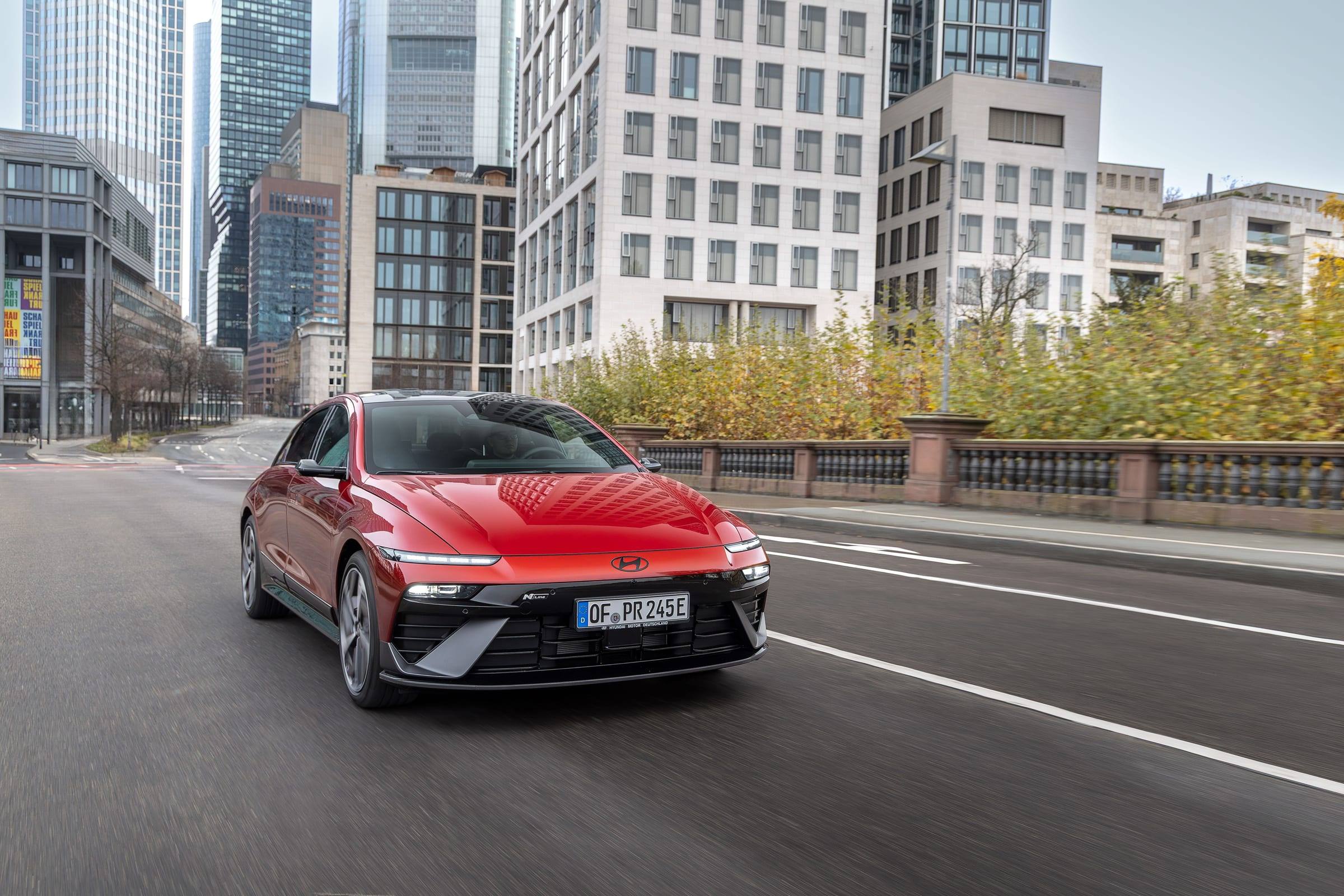
Is the updated Hyundai Ioniq 6 worth ordering, and which version?
The short answer. On paper the Premium is the one to look at: at £33,240 with the grant it is the cheapest version and has the longest claimed range, 422 miles. Independent testing of the same car in Germany suggests about 330 miles in mixed driving, which still means low running costs at home but well above Hyundai's figure on rapid chargers.
What to know
- UK orders are open now and deliveries start in early 2027. Every version has an 84 kWh battery.
- The Premium rear-wheel-drive car costs £33,240 with the £3,750 grant and is rated at up to 422 miles. N Line versions on 20-inch wheels are rated at 354 to 364 miles.
- At Zapmap's September 2026 averages, 10,000 miles costs about £565 charged at home and £1,717 on rapid chargers on Hyundai's efficiency figure, or £711 and £2,161 on ADAC's measured consumption.
- GOV.UK's list of grant-eligible cars did not include the Ioniq 6 on 30 October 2026, so check that the £3,750 discount appears on your order.
What Hyundai announced
Hyundai UK published prices for the updated Ioniq 6 on 29 October 2026. Orders are open now, with deliveries due in early 2027. Every version uses a new 84 kWh battery, with either a 229PS rear-wheel-drive motor or a 325PS all-wheel-drive pair, and trims are now called Premium, N Line and N Line Evo.1,9
The Premium rear-wheel-drive car costs £33,240 and the N Line rear-wheel-drive car £36,240, both after the £3,750 Electric Car Grant. The other three versions do not get the grant: N Line all-wheel drive is £43,490, N Line Evo rear-wheel drive £43,270 and N Line Evo all-wheel drive £46,770. Adding the grant back gives list prices of £36,990 and £39,990 for the two eligible cars, as WhichEV also reports.1,7
The outgoing Premium had a 77 kWh battery and was rated at 338 miles, according to EV Powered, which puts the new Premium nearly £14,000 below the old one. Charjin did not find the old UK price on a Hyundai page, so treat that saving as the outlet's figure. In the US, Electrek reports that Hyundai is dropping the standard Ioniq 6 after the 2026 model year, so this update is not coming to American buyers.8,10
Which range figure applies to which car
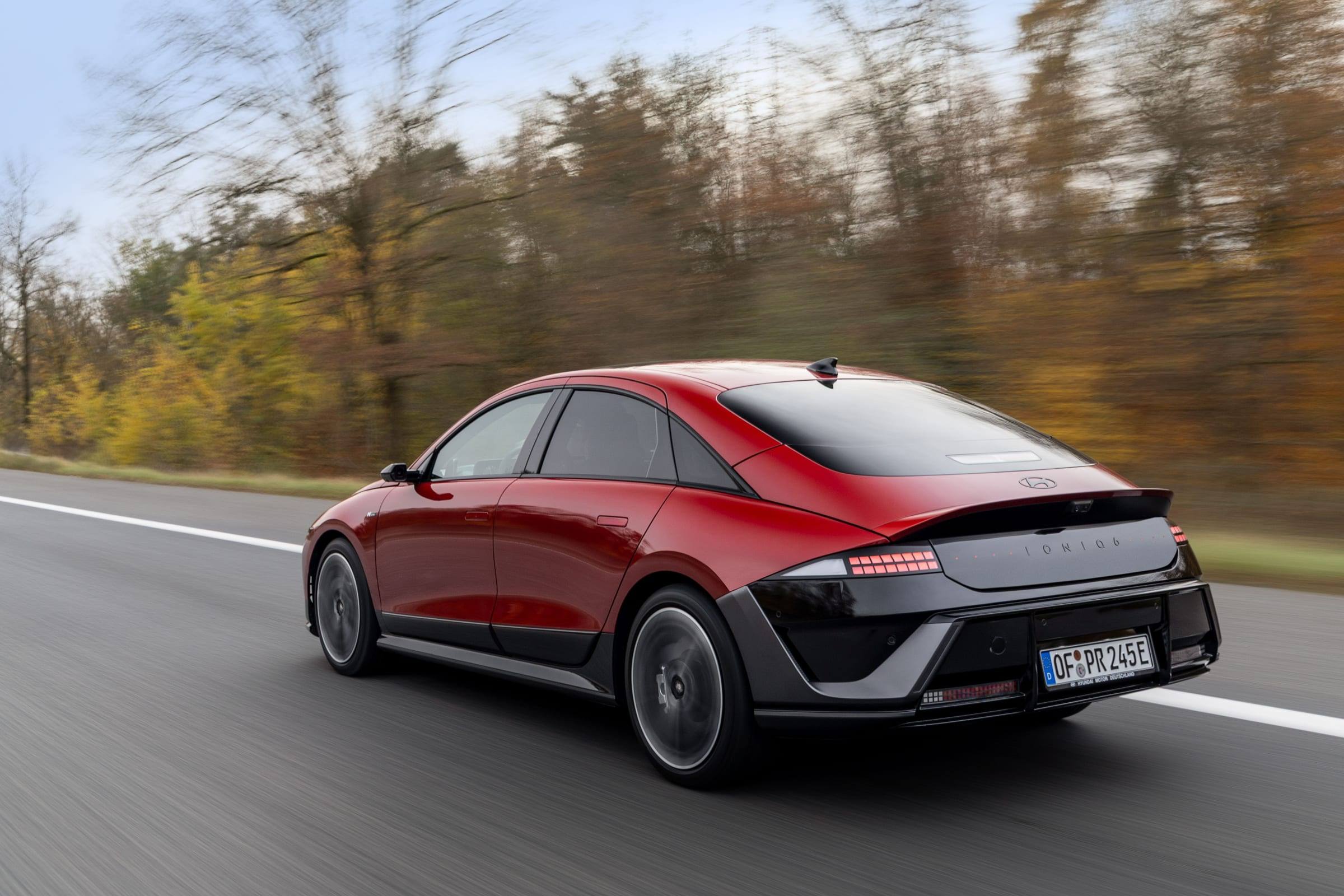
The 422-mile figure applies only to the Premium rear-wheel-drive car, which Hyundai rates at 4.6 miles per kWh. The N Line and N Line Evo rear-wheel-drive cars are listed at 364 miles and 4.2 miles per kWh, and both all-wheel-drive cars at 354 miles and 4.0 miles per kWh. Hyundai's UK release calls these the maximum potential range and does not name the test, but 422 miles matches the 680 km WLTP figure that ADAC lists for the German 84 kWh rear-wheel-drive car.1,5
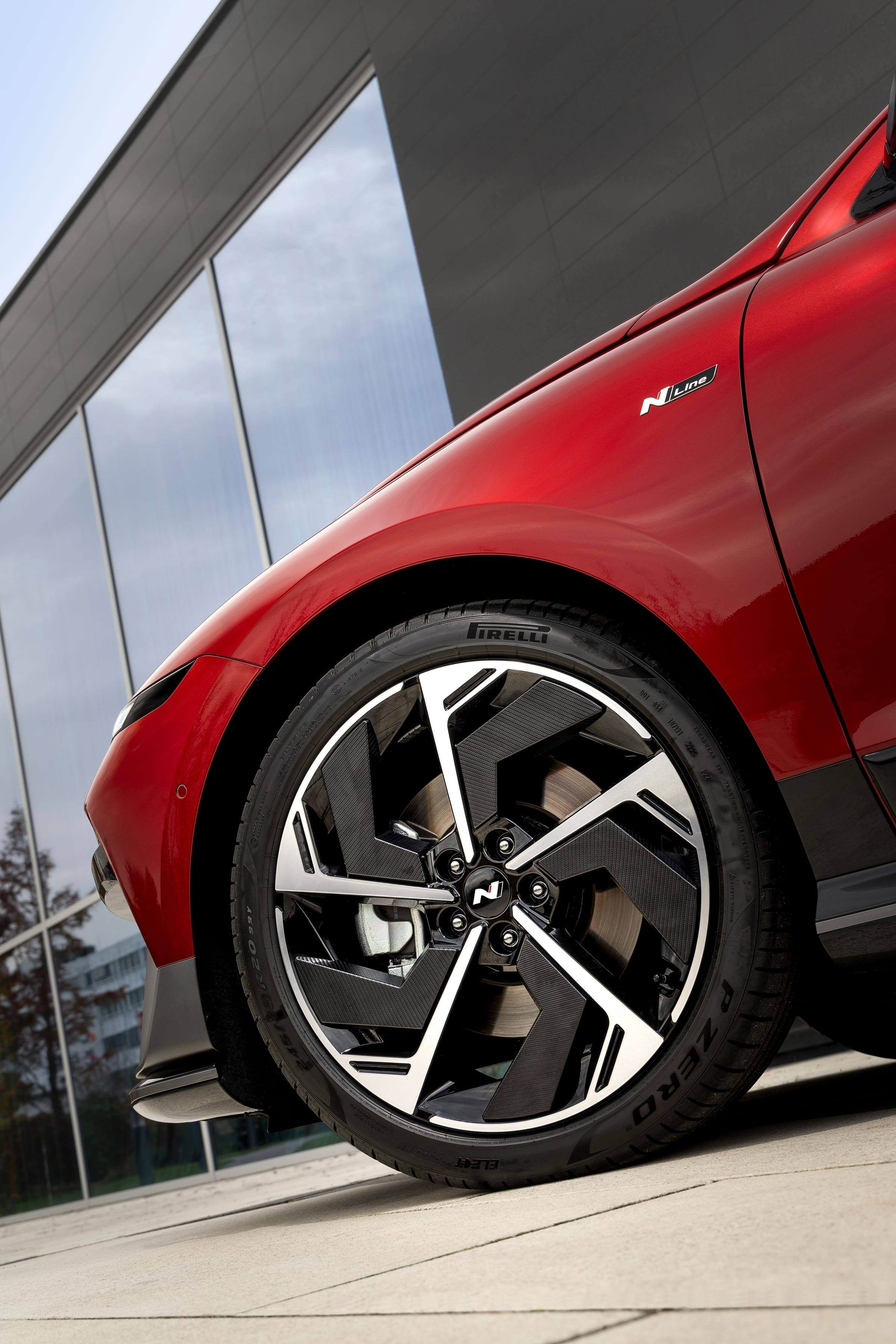
The Premium and the rear-wheel-drive N Line share the same battery and motor. The main listed difference is wheel size: 20-inch on the N Line, 18-inch on the Premium. The N Line pays £3,000 more and gives up 58 miles, or 14% of the rated range. Hyundai does not explain the gap. PA's launch report says the N Line keeps the same long range as the Premium, which Hyundai's own table does not support.1,9
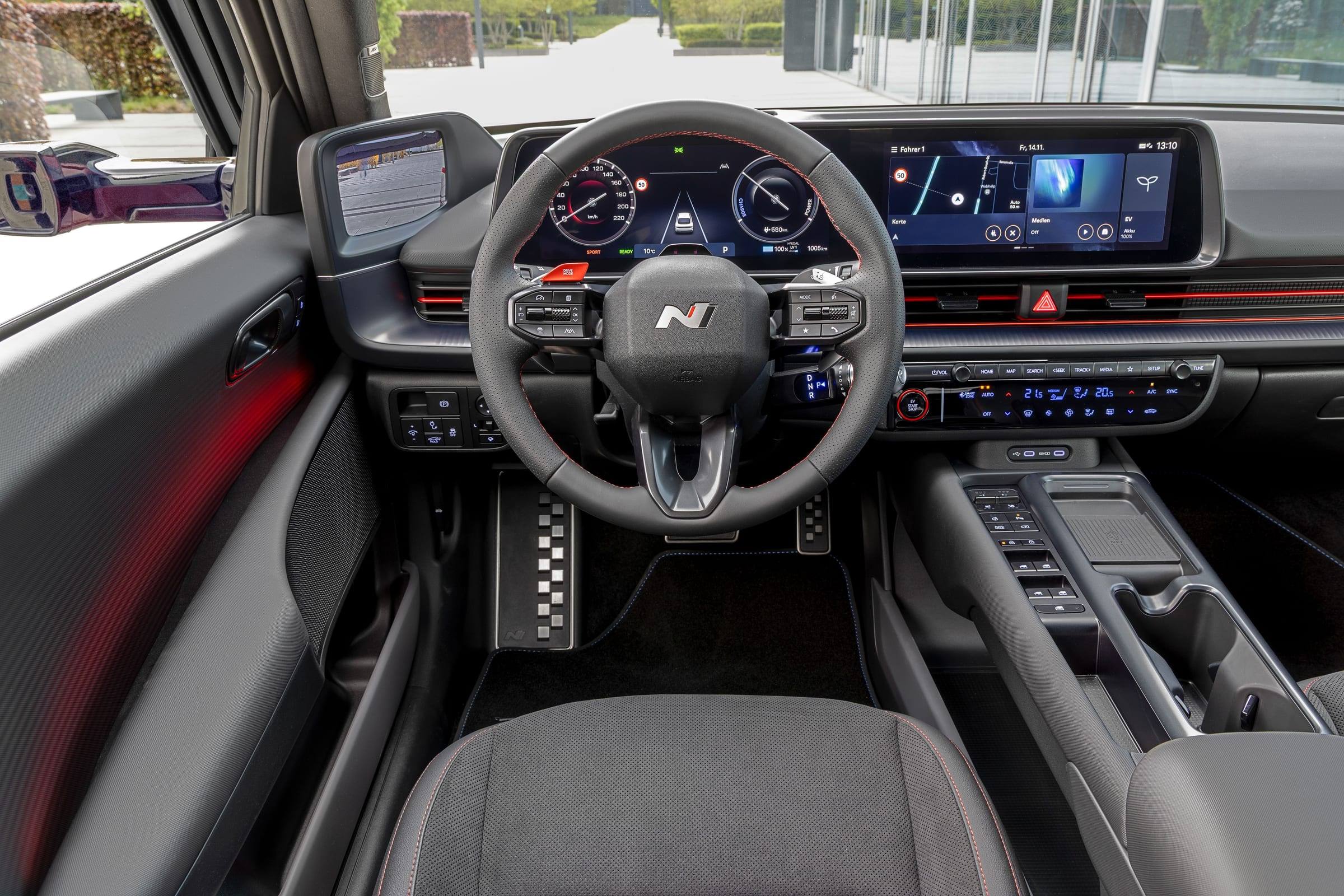
Gallery
12 photos · Hyundai Motor Europe, Hyundai press image, editorial useWhat independent tests measured
Germany's motoring club ADAC has tested the updated 84 kWh rear-wheel-drive car. It measured 17.0 kWh per 100 km including charging losses, against 13.5 kWh WLTP, and derived a range of 532 km, about 330 miles. That is 22% below the WLTP figure. ADAC also measured a 10 to 80% rapid charge in 18 minutes with a peak of up to 265 kW, matching Hyundai's claim.5
Cold weather is the open question. In January 2024 Norway's NAF charged the earlier 77.4 kWh car from 10 to 80% in 34 minutes at just below freezing, against the 18 minutes claimed. NAF found that battery preheating switched off below 20% charge. No equivalent winter test of the updated car has been published yet.6
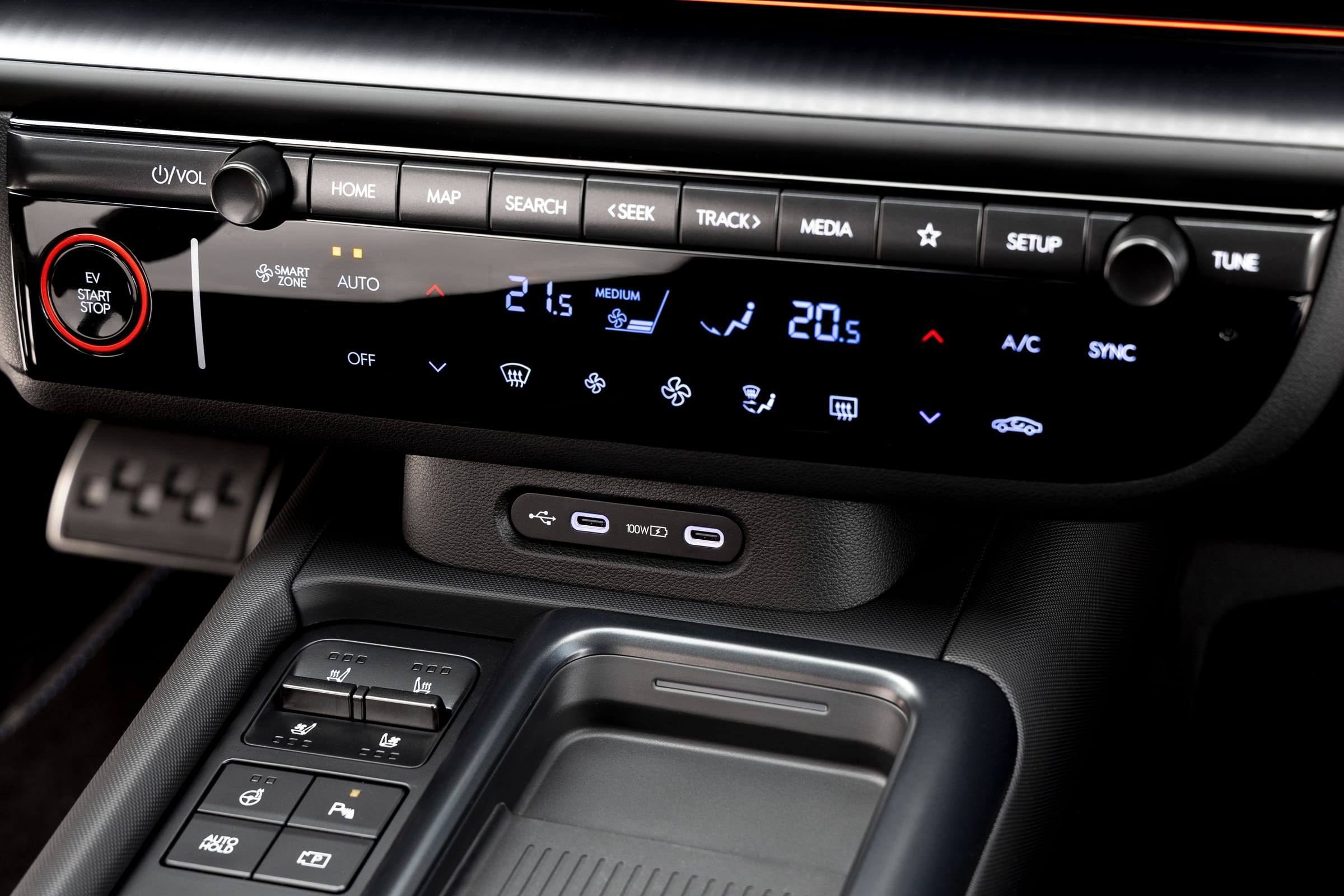
What it costs to run: a worked example
Zapmap's price index for September 2026 puts home charging at about 26p per kWh under the energy price cap, slow and fast public chargers at 54p and rapid chargers of 50 kW and above at 79p on pay-as-you-go. At Hyundai's 4.6 miles per kWh, 10,000 miles in the Premium uses about 2,174 kWh. That costs about £565 at home, £1,174 on slow public chargers and £1,717 on rapid chargers.1,4
On ADAC's measured 17.0 kWh per 100 km, the same 10,000 miles uses about 2,736 kWh. That is about £711 at home and £2,161 on rapid chargers, or 7.1p a mile at home against 5.7p on Hyundai's figure. ADAC's number includes charging losses, which home charging also incurs. A 200-mile top-up at a rapid charger comes to about £34 on Hyundai's figure and £43 on ADAC's.4,5
An all-wheel-drive N Line at Hyundai's 4.0 miles per kWh costs about £650 per 10,000 miles at home. These figures use average prices. A cheaper overnight tariff or a charging subscription would lower them, and winter driving would raise them.1,4
What to check before ordering
The grant is applied by the dealer as a discount, and GOV.UK says it is for cars priced at or under £37,000. Hyundai says the N Line rear-wheel-drive car qualifies, although its £39,990 list price is above that figure. Charjin could not find the rule that allows this on GOV.UK. GOV.UK's list of eligible cars did not include the Ioniq 6 when this piece was written, so confirm the grant on your order before you sign.1,2,3
The battery is covered for eight years or 100,000 miles and the car for five years with no mileage limit. Deliveries are not due until early 2027, so check whether your order price is fixed if grant rules or prices change before then.1,7
Common questions
Is the 422-mile range a WLTP figure?
Hyundai UK calls it the maximum potential range and does not name the test. It matches the 680 km WLTP figure ADAC lists for the same car in Germany, and it applies only to the Premium rear-wheel-drive version on 18-inch wheels.
Which Ioniq 6 versions get the Electric Car Grant?
Hyundai says only the Premium and N Line rear-wheel-drive cars, at £3,750 each. The all-wheel-drive and N Line Evo versions do not. The Ioniq 6 was not yet on GOV.UK's list of eligible cars on 30 October 2026.
How fast does it charge?
Hyundai claims 10 to 80% in 18 minutes on a 350 kW charger, and ADAC matched that in its test. A 50 kW charger takes 1 hour 20 minutes, and an 11 kW home or AC charger 7 hours 35 minutes from empty to full.
Evidence register
The material behind the conclusion. Bracketed numbers in the text point here.
- 01
manufacturer accessed 30 October 2026
New Hyundai IONIQ 6 UK pricing announced
Hyundai Motor UK. UK prices, grant eligibility, trims, 84 kWh battery, range and efficiency per version, charging times, wheel sizes, warranty and delivery timing.
- 02
primary accessed 30 October 2026
Electric Car Grant (Find a grant)
GOV.UK (Find a grant). The £37,000 price limit, the £3,750 and £1,500 bands, eligibility rules and that the seller applies the discount.
- 03
primary accessed 30 October 2026
Zero emission vehicles eligible for a grant: Cars
GOV.UK. The list of grant-eligible cars, which did not include the Ioniq 6 on 30 October 2026.
- 04
data accessed 30 October 2026
Zapmap. September 2026 average prices: about 26p per kWh at home, 54p at slow and fast public chargers, 79p at rapid chargers on pay-as-you-go.
- 05
research accessed 30 October 2026
Hyundai Ioniq 6 (84 kWh) Centriq: ADAC Autotest
ADAC. Measured 17.0 kWh per 100 km including charging losses, 532 km derived range against 680 km WLTP, and an 18-minute 10 to 80% charge at up to 265 kW.
- 06
research accessed 30 October 2026
NAF. Winter charging test of the earlier 77.4 kWh car: 34 minutes for 10 to 80%, with preheating switching off below 20%.
- 07
reference accessed 30 October 2026
New Hyundai IONIQ 6 starts at £33,240 with grant and offers 422-mile range
WhichEV. Independent confirmation of prices, with list prices of £36,990 and £39,990 before the grant, and the warranty terms.
- 08
reference accessed 30 October 2026
New Hyundai Ioniq 6 gets range boost and massive price cut
EV Powered. The outgoing Premium's 77 kWh battery and 338-mile rating, and the reported saving of nearly £14,000.
- 09
reference accessed 30 October 2026
Revised Hyundai Ioniq 6 goes on sale in the UK
PA Media (The Irish News). PA's launch report confirming the UK on-sale date and grant, and stating that the N Line keeps the Premium's range.
- 10
reference accessed 30 October 2026
Hyundai launches the new IONIQ 6 in the UK with up to 422 miles of range
Electrek. Independent confirmation of the UK prices and ranges, and that the standard Ioniq 6 ends in the US after the 2026 model year.
No corrections recorded. Last checked 30 October 2026.