ReportCharging and infrastructure
Chaevi starts a 2,000-hour test of a 1.2 MW truck and bus charger in Korea. What megawatt charging would change for a depot
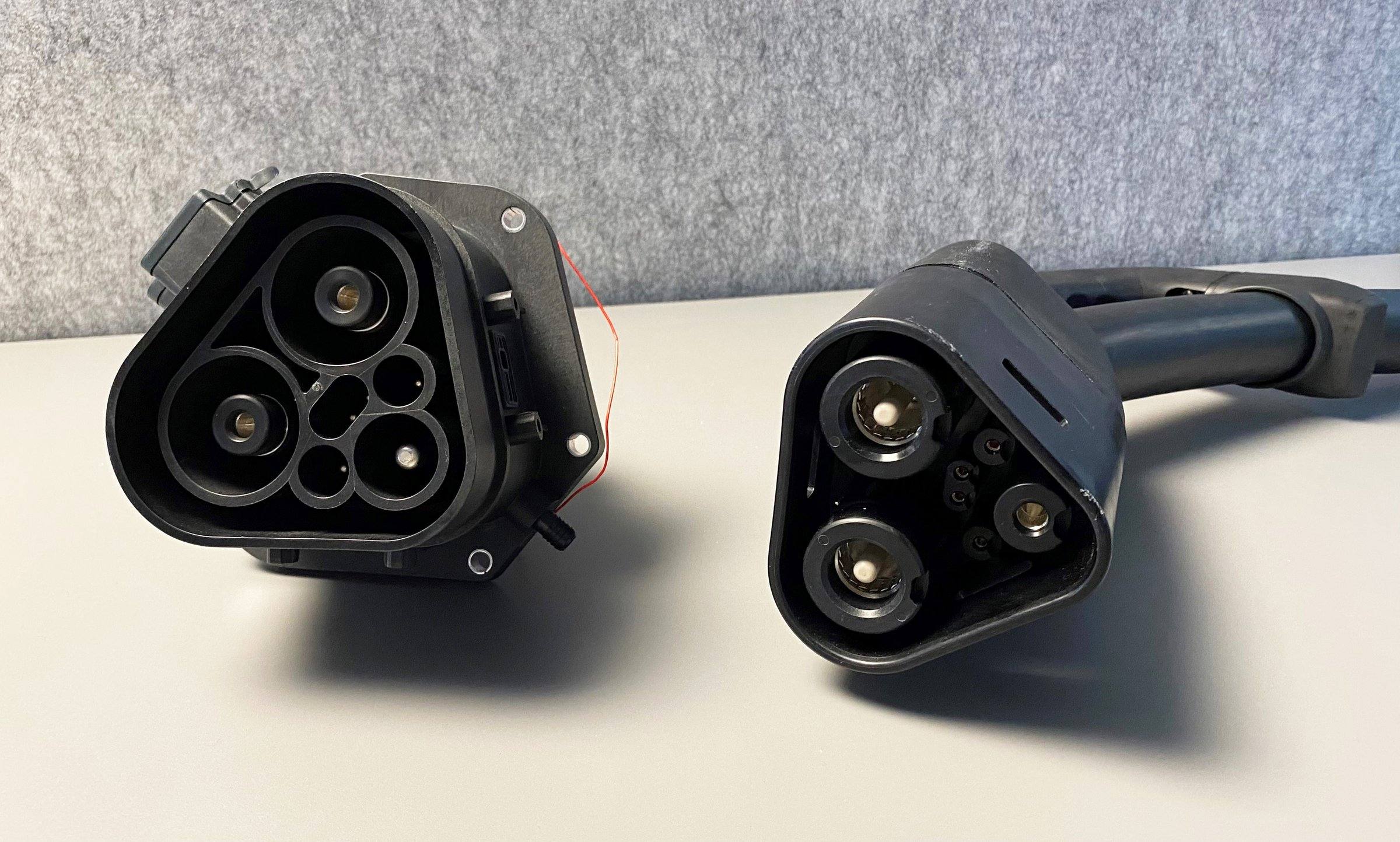
Korean charging operator Chaevi has joined its 1.2 MW power bank and megawatt charging dispenser into one system at a state research institute in Ansan. It is a reliability test with no vehicle named and no price or roll-out date, so Korean fleet operators should treat it as a sign of direction rather than something to plan around yet.
By Charjin Editorial Desk4 minutes10 sources
Can Korean truck and bus fleets use 1.2 MW charging now?
The short answer. No. Chaevi began a combined test of its 1.2 MW power bank and MCS dispenser on 9 November at the Korea Electrotechnology Research Institute in Ansan, planned to run 2,000 hours into early 2027. No vehicle, site, price or commercial date has been announced.
What to know
- Testing started on 9 November 2026 at KERI's Ansan branch: 500 hours by the end of 2026 and 2,000 hours in total by early 2027.
- The test covers sustained high-power charging, power quality, safety and equipment reliability. Reports of the announcement name no truck or bus used in it.
- The work is part of a state-funded project backed by the Ministry of Climate, Energy and Environment and KETEP, led by Chaevi with 11 participating organisations since 2024.
- The first series-built MCS trucks, MAN's eTGX and eTGS, accept up to 750 kW, so a 1.2 MW charger is ahead of the vehicles that exist today.
What Chaevi has started
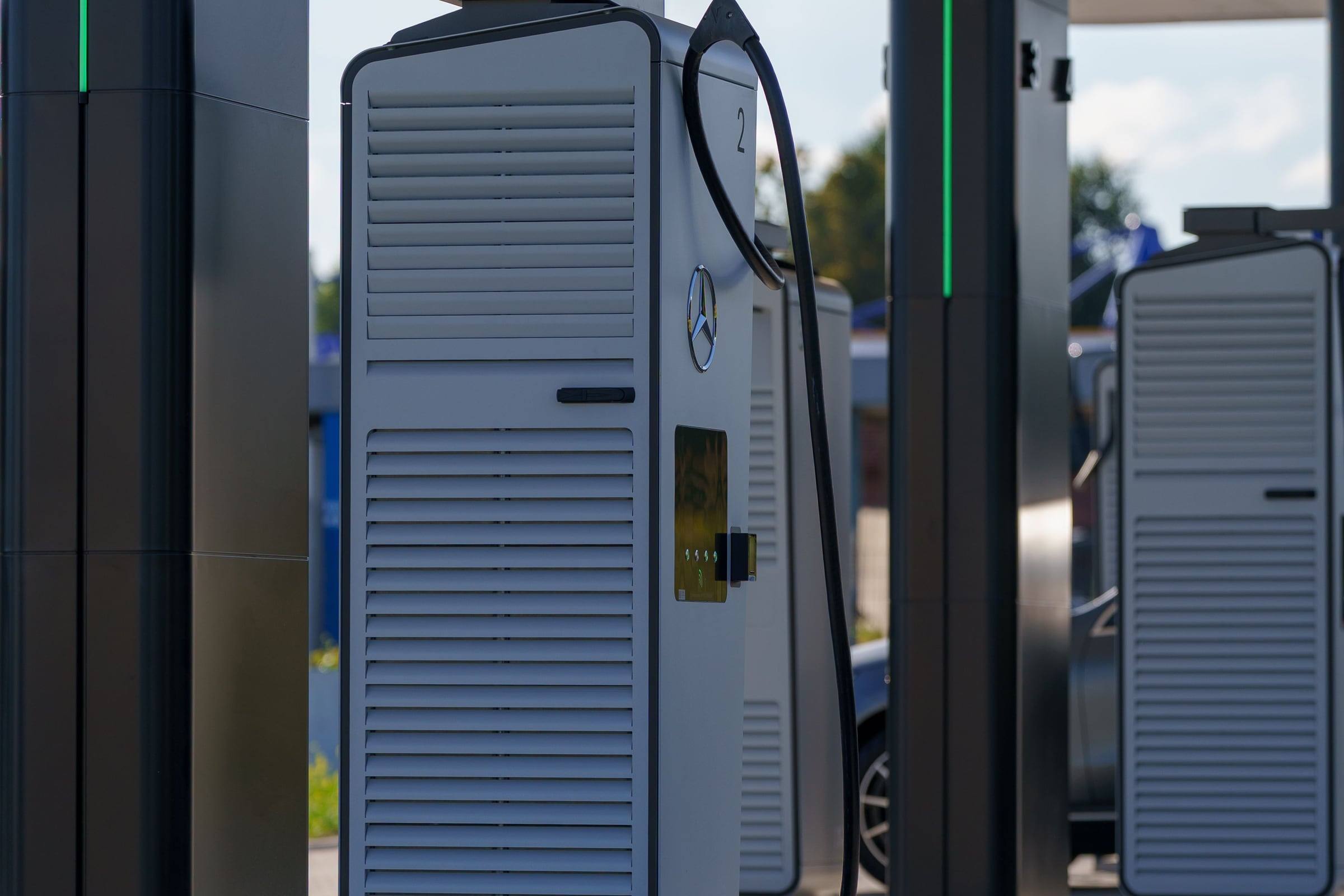
Chaevi, which runs a fast-charging network in South Korea, said on 12 November that it had begun an integrated test of a 1.2 MW-class Megawatt Charging System (MCS) at the Ansan branch of the Korea Electrotechnology Research Institute (KERI). The test started on 9 November.1,2,3,4
The system joins two units Chaevi had built separately: a power bank that supplies up to 1.2 MW, and an MCS dispenser that passes the power to the vehicle through its cable and connector. Chaevi plans 500 hours of running by the end of 2026 and 2,000 hours in total by early 2027, checking continuous high-power charging, power quality, safety and reliability, and adjusting the design from the data.2,3,4
Financial News reported that Chaevi operates about 10,000 fast chargers in Korea. The company is extending that passenger-car business to heavy vehicles, according to its chief executive, Choi Young-hun.1,2
Who is paying, and what it is part of
The test is year three of a national research project on AI-based, high-efficiency MCS and ultra-fast charging, supported by the Ministry of Climate, Energy and Environment and the Korea Institute of Energy Technology Evaluation and Planning (KETEP). Chaevi has led it since 2024 with 11 participating organisations. The first two years produced the power bank and dispenser; this year is integration and testing.1,2,3,4
A second state project uses the same hardware family at the Port of Busan. There Chaevi is developing a megawatt-class MCS dispenser linked to a charging robot, plus a power bank, so that autonomous port vehicles, including a 70-tonne autonomous mobile robot, can dock and charge without an operator.5
Claimed power and tested power
Chaevi's earlier figures were higher. Its CES 2026 Innovation Awards entry described a modular platform that could reach 3.75 MW for heavy vehicles and up to 400 kW for cars, with MCS, CCS and NACS connectors on one station. The Red Dot design award entry also lists MCS, CCS and NACS compatibility.6,9
Those were design descriptions. What is now being tested is a 1.2 MW-class system, and none of the reports of the announcement gives a charging power actually reached with a vehicle, or names a vehicle at all.1,2,3,4
A worked example for a depot
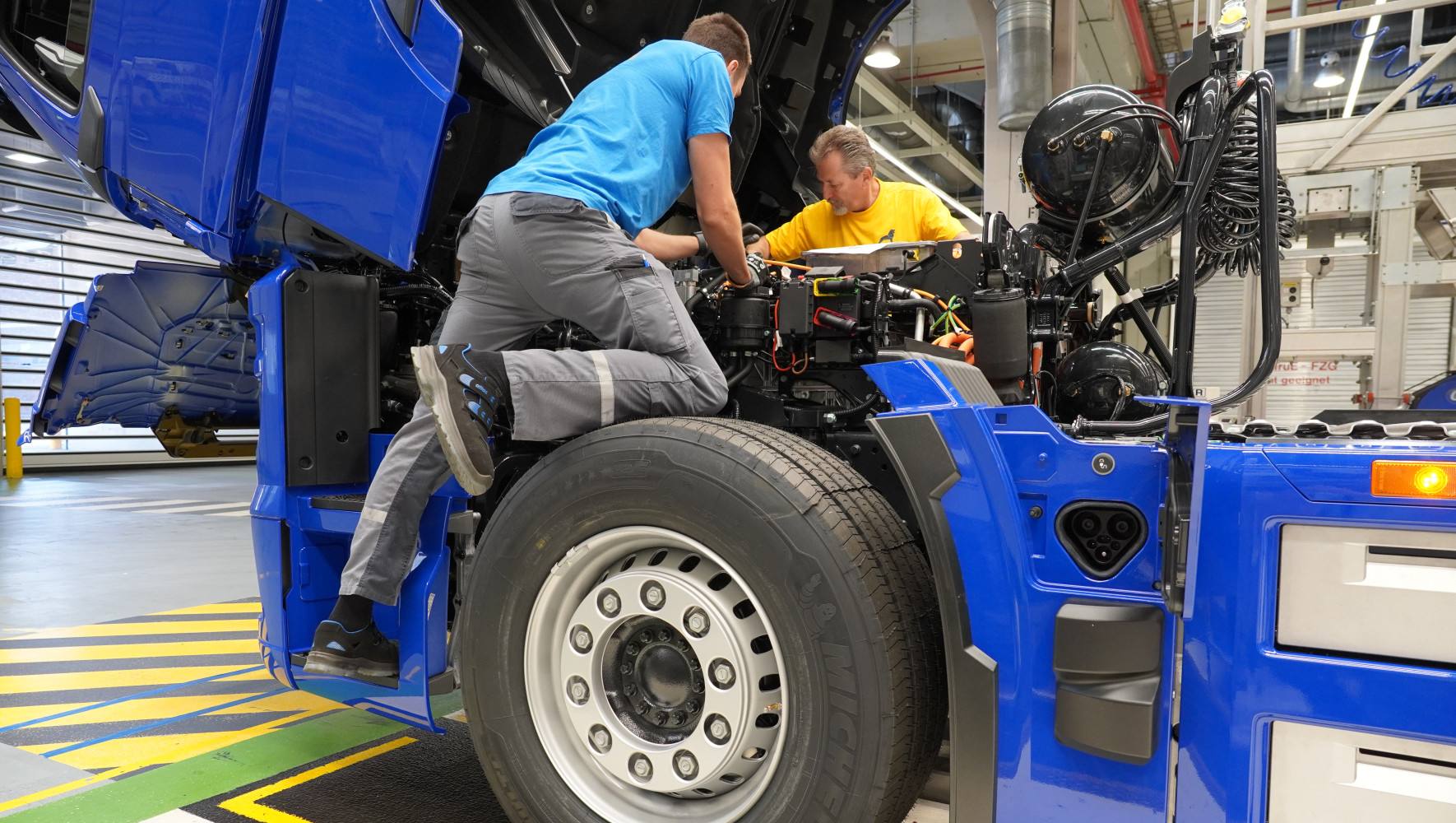
The vehicles matter as much as the charger. MAN began series production of MCS-equipped eTGX and eTGS trucks in Munich in July 2026, rated at up to 750 kW (1,000 A at 750 V), against 375 kW on CCS. MAN says a six-pack truck with 534 kWh charges from 20% to 80% in under 30 minutes. Those trucks are sold in nine European countries, not Korea.7
Charjin's arithmetic, at constant power and ignoring taper and losses: 20% to 80% of 534 kWh is about 320 kWh. That is about 26 minutes at 750 kW, and would be about 16 minutes at 1.2 MW if a truck could take it. No series truck yet accepts more than 750 kW, so the extra headroom of a 1.2 MW unit would mostly serve future vehicles or split power between bays.7
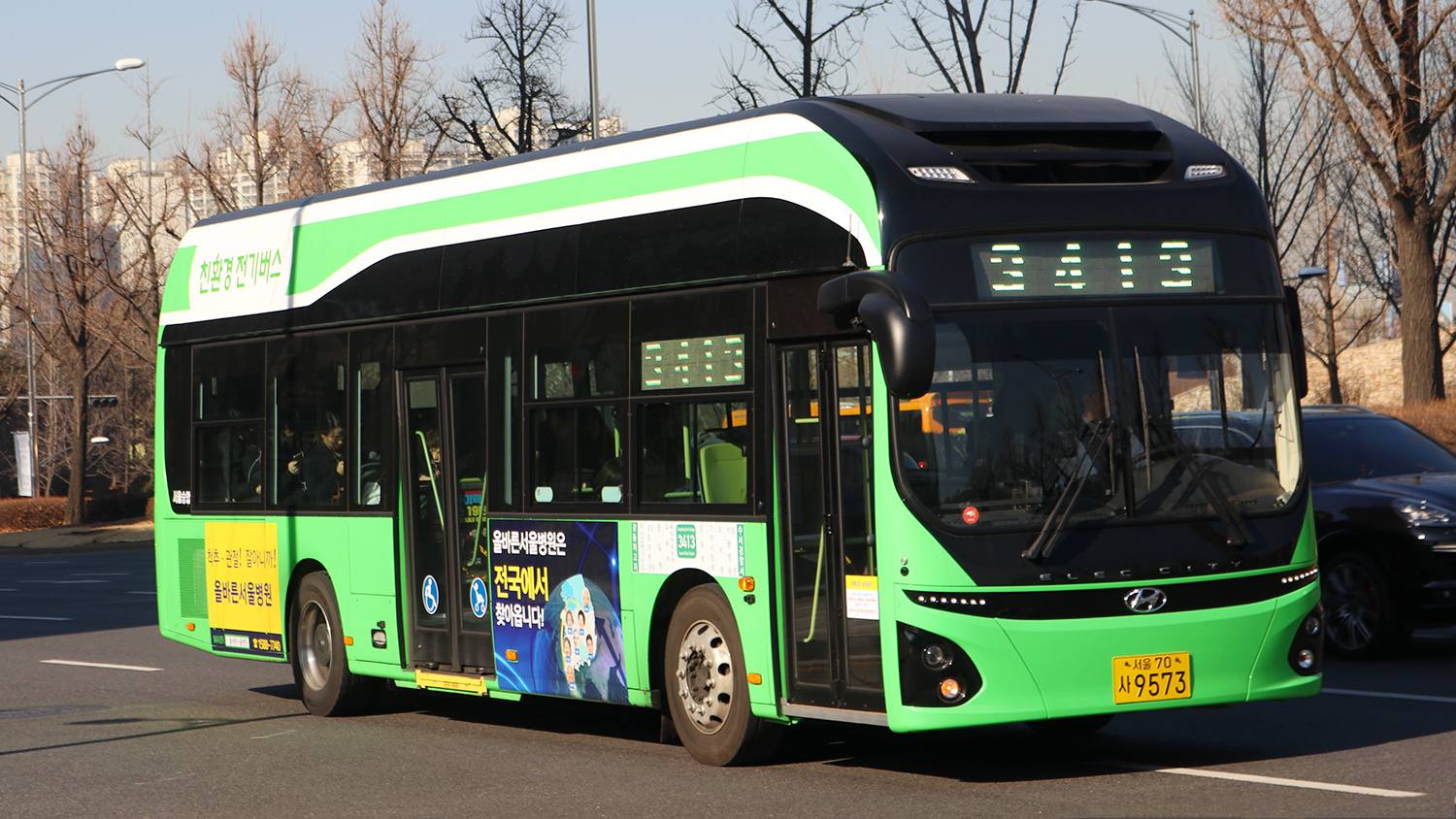
For a Korean city bus the numbers are smaller. Hyundai lists a 256 kWh battery for its Elec City electric bus, with up to 319.2 km per charge at a constant 73 km/h. Taking 20% to 80% means about 154 kWh: roughly 92 minutes at 100 kW, the rating of Chaevi's passenger fast chargers. Hyundai's page gives no charging power or connector standard, so whether today's buses could use MCS at all is not stated.8,10
What to check before planning around it
Fleet operators should look for four things that have not been published: which trucks or buses sold in Korea have an MCS inlet, the power those vehicles accept, where Chaevi would install the first commercial units, and what the electricity would cost per kWh. The grid connection a 1.2 MW site needs is a separate question for any depot.1,2,8
Chaevi says the test data will feed into making the system ready for heavy-vehicle sites. Results from the first 500 hours are due by the end of this year.2,3
Common questions
What is MCS?
The Megawatt Charging System is a charging standard for heavy electric trucks and buses, with a larger connector than the CCS plug used by cars. The first series-built MCS trucks, from MAN, accept up to 750 kW.
Where is the Chaevi test taking place?
At the Ansan branch of the Korea Electrotechnology Research Institute, a state research body. It began on 9 November 2026 and is planned to run 2,000 hours, into early 2027.
Will this make charging cheaper for truck operators?
Nothing has been said about price. The test is about reliability, power quality and safety, and no tariff for megawatt charging in Korea has been announced.
Evidence register
The material behind the conclusion. Bracketed numbers in the text point here.
- 01
reference accessed 12 November 2026
채비, 1.2㎿ 초급속 충전 실증…대형 전기트럭·버스 시장 공략
Financial News (파이낸셜뉴스). Korean-language report of the announcement: start date, KERI Ansan site, 2,000-hour plan, funding bodies, 11 participants, network of about 10,000 fast chargers and the chief executive's comments.
- 02
reference accessed 12 November 2026
전기트럭 충전 시간 줄인다…채비, 초급속 충전 실증 돌입
Herald Business (헤럴드경제). Korean-language report giving the power bank and dispenser roles, the 500-hour and 2,000-hour schedule, the energy demand management programme, and the test scope.
- 03
reference accessed 12 November 2026
채비, 전기연구원 안산분원서 1.2MW급 초급속 충전기 통합 실증 착수
Energy Korea (에너지코리아). Korean-language trade report confirming the KERI Ansan installation, the project's third-year status, the 2,000-hour test and its scope.
- 04
reference accessed 12 November 2026
전기트럭·버스 충전 빨라질까... 채비, 1.2MW급 MCS 실증 돌입
MOCAR (김한용의 모카). Korean-language report confirming the 9 November start, the development phases since 2024 and the test schedule; it gives no vehicle or achieved charging power.
- 05
manufacturer accessed 12 November 2026
“스마트항만 24시간 자율운영 앞당긴다” 채비, ‘부산국제항만컨퍼런스’서 MW급 MCS 디스펜서 전시
Chaevi. Chaevi's own Korean-language release on the Busan port project: its sub-tasks on the MW-class dispenser, charging robot and power bank, and the 70-tonne autonomous mobile robot.
- 06
primary accessed 12 November 2026
CHAEVI_MCS - Megawatt Charging System (MCS): Unified Charging for All Vehicles
Consumer Technology Association (CES). CES 2026 Innovation Awards honoree entry describing the platform as up to 3.75 MW for heavy vehicles and 400 kW for cars, with MCS, CCS and NACS.
- 07
manufacturer accessed 12 November 2026
MAN starts series production of MCS-ready eTrucks
MAN Truck & Bus. MAN's release of 30 July 2026: up to 750 kW at 1,000 A and 750 V on MCS, 375 kW on CCS, 534 kWh and 623 kWh batteries, 20-80% in under 30 minutes, and nine European markets.
- 08
manufacturer accessed 12 November 2026
Hyundai Motor Company. Hyundai's specification page: 256 kWh (or 128 kWh) battery, up to 319.2 km per charge at a constant 73 km/h, 240 kW motor; no charging power or connector is given.
- 09
primary accessed 12 November 2026
Red Dot. Red Dot Award 2026 product design entry describing the charger as compatible with MCS, CCS and NACS.
- 10
manufacturer accessed 12 November 2026
Chaevi. Chaevi's site listing its member charging rates by charger type, including 100 kW fast chargers.
No corrections recorded. Last checked 12 November 2026.