ReportCharging and infrastructure
UK Budget: £100m to cut on-street charging prices from spring 2027, while public charging keeps 20% VAT
The 28 October Budget puts £100 million over two years into cheaper lower-powered public chargers and sets up a taskforce on using home tariffs at public chargers. VAT on public charging stays at 20%, and the 3p-a-mile electric car duty from April 2028 is now in draft law. For a driver without a driveway the promised saving is about £150 a year, which is real but small next to the gap with home charging.
By Charjin Editorial Desk4 minutes9 sources
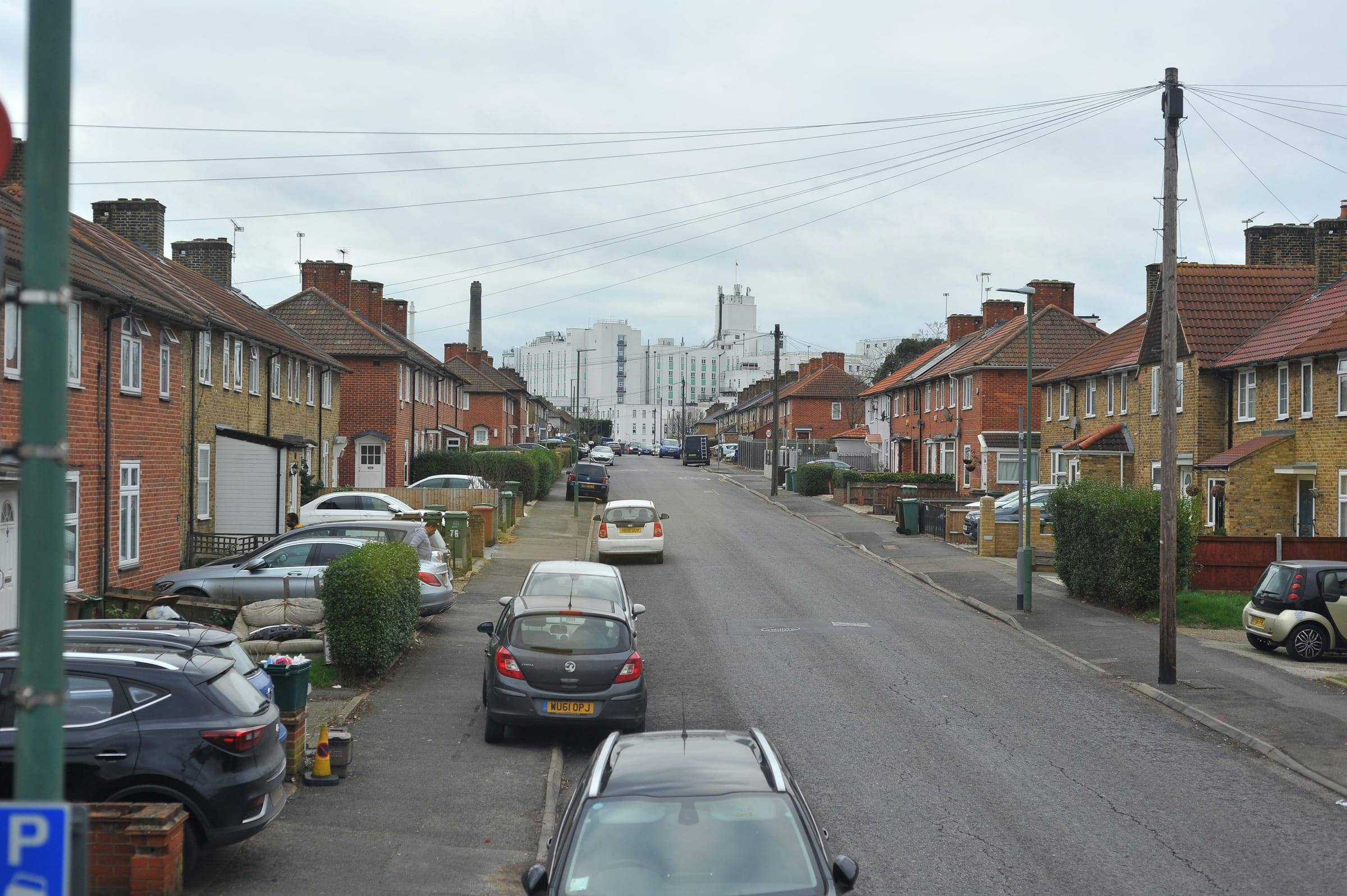
I charge on the street because I have no driveway. What did the Budget change for me?
The short answer. Nothing yet. From spring 2027 the government will spend £100 million over two years to lower prices at local, lower-powered public chargers, which it says will save regular users about £150 a year. VAT on public charging stays at 20%, and the idea of using your home tariff at a public charger is only being studied.
What the Budget means for drivers without a driveway
- £100 million over two years from spring 2027 to cut prices at lower-powered public chargers near homes. The Treasury’s estimate is about £150 a year saved for a regular user.
- On the government’s own mileage basis, £150 is roughly 6p off each kWh. At September’s average of 54p per kWh, that still leaves on-street charging well above a home tariff.
- Public and workplace charging stays at 20% VAT, written into law from 1 November 2026. Home electricity has a temporary zero rate until July 2027.
- A taskforce will look at letting drivers use their home tariff at some public chargers. There is no date and no design yet.
- The 3p-a-mile electric car duty (1.5p for plug-in hybrids) starts on 1 April 2028. At 8,000 miles that is £240 a year.
What the Budget announced
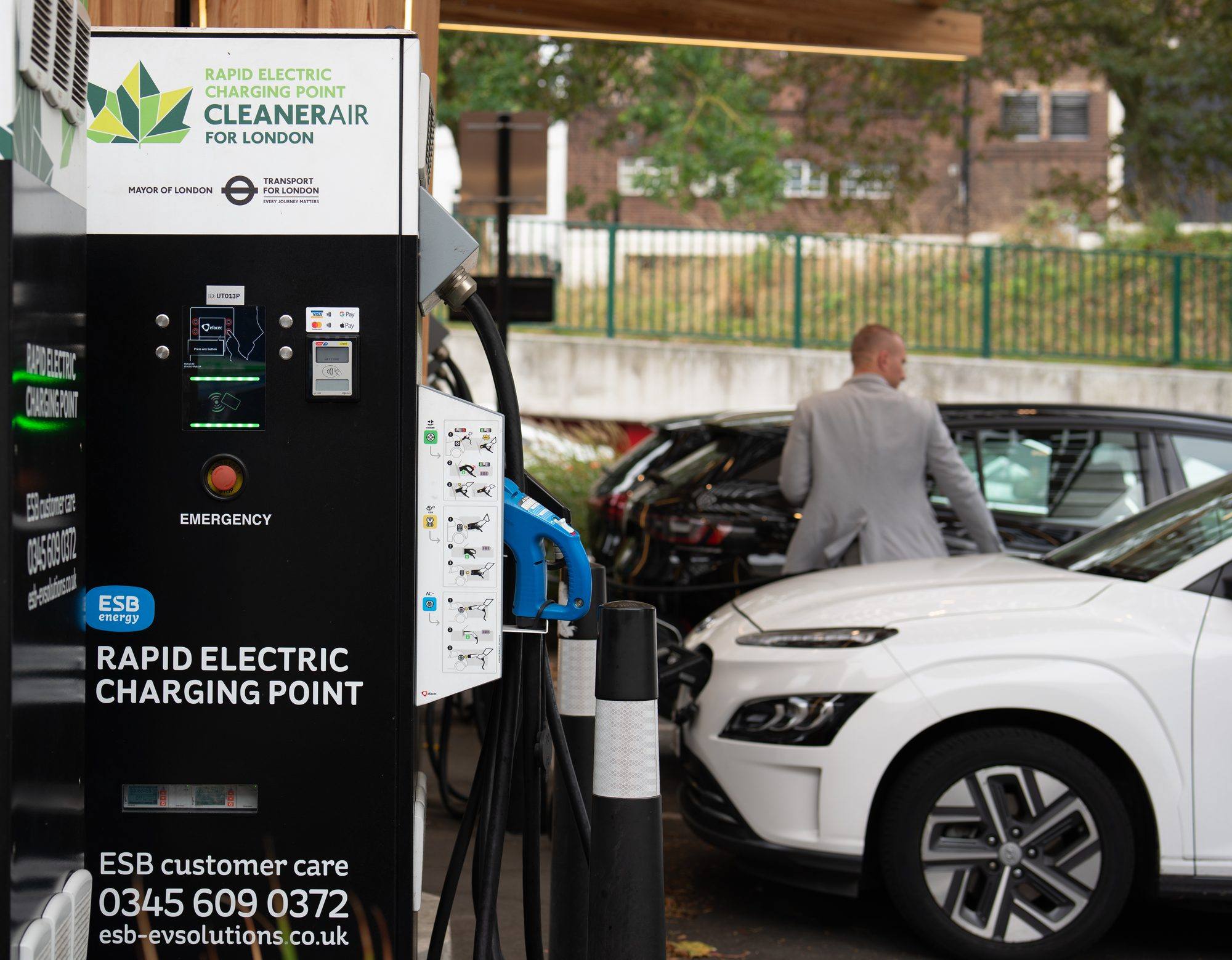
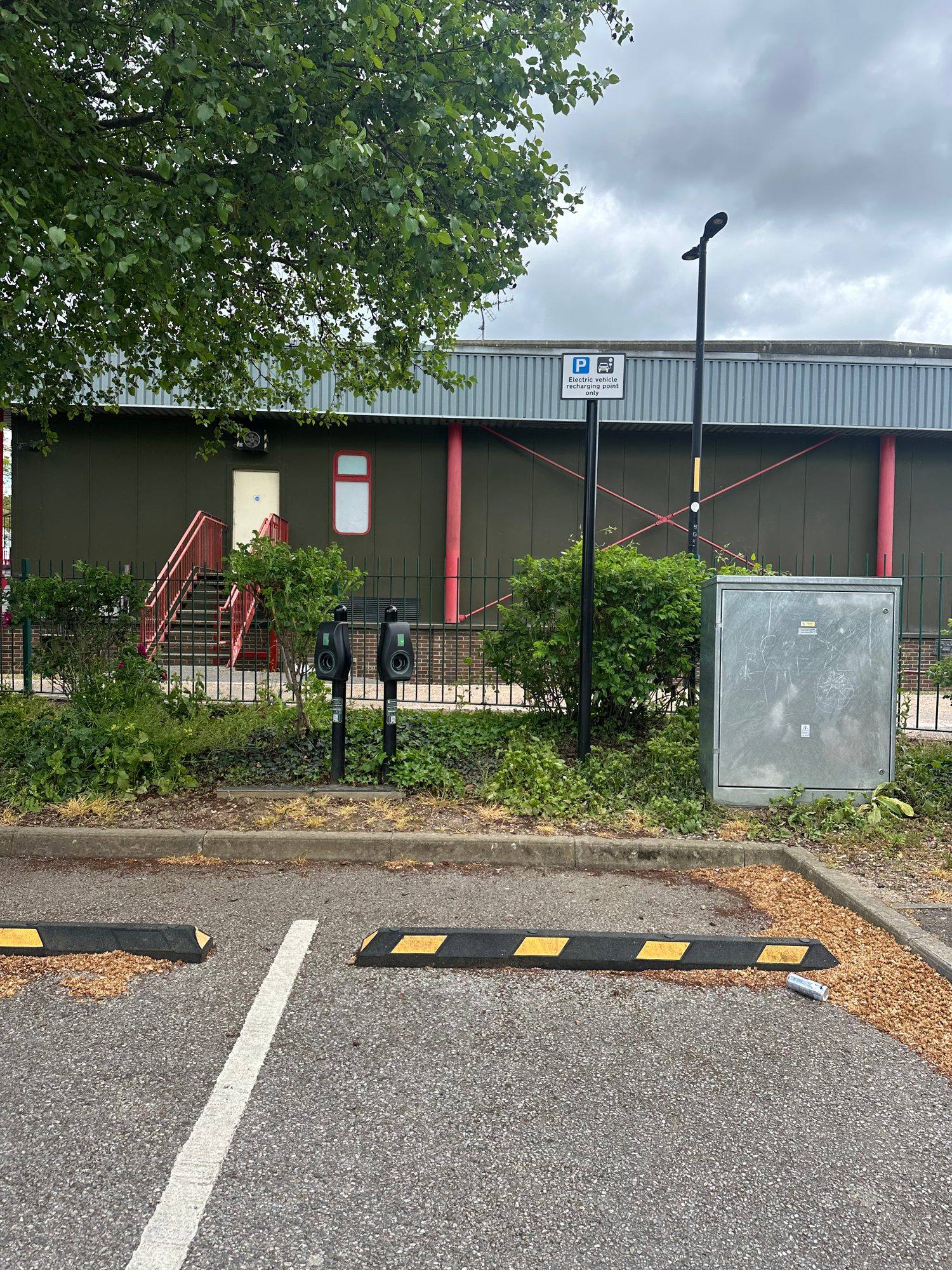
HM Treasury said on 28 October 2026 that it will provide £100 million over two years, starting in spring 2027, to cut prices at lower-powered public chargers near homes. These are mostly on residential streets, where cars charge for hours or overnight, and they make up about a third of the network. The Treasury expects regular users to save about £150 a year on average.1,8
The Budget also takes up a recommendation from the independent review of public charging costs: an industry-led taskforce on “tariff porting”, which would let drivers use a cheaper home energy tariff at certain public chargers. The Department for Transport says it will publish details later. EV Fleet World reports that the government itself calls this a complex proposal that will take time.1,8
The review, chaired by Philip New, was set up after Budget 2025 and reports to the Department for Transport, the energy department and the Treasury. Its terms of reference ruled out recommendations on tax. According to the Treasury, it found that lower-powered charging prices have risen 69% in real terms since 2021, and higher-powered prices 94%. Charjin could not find the full review report on GOV.UK when this piece was written.1,5,8,9
VAT on public charging stays at 20%
HMRC published a brief on Budget day confirming that electricity from publicly accessible and workplace chargers is not domestic use, so it is standard rated for VAT. The change takes effect on 1 November 2026. It follows a tribunal case, Charge My Street, and puts HMRC’s existing policy into law.2
Home charging is treated differently. Domestic electricity has had a temporary zero rate of VAT in Great Britain since 1 October 2026, and the energy department says that cut runs until July 2027. Some coverage says home charging stays at 5% VAT; HMRC’s brief says the temporary zero rate applies. ChargeUK chief executive Shane Brennan told EV Fleet World that refusing a VAT cut on public charging would do serious damage to the switch to electric cars.2,4,8,9
What £150 a year is worth at the charger
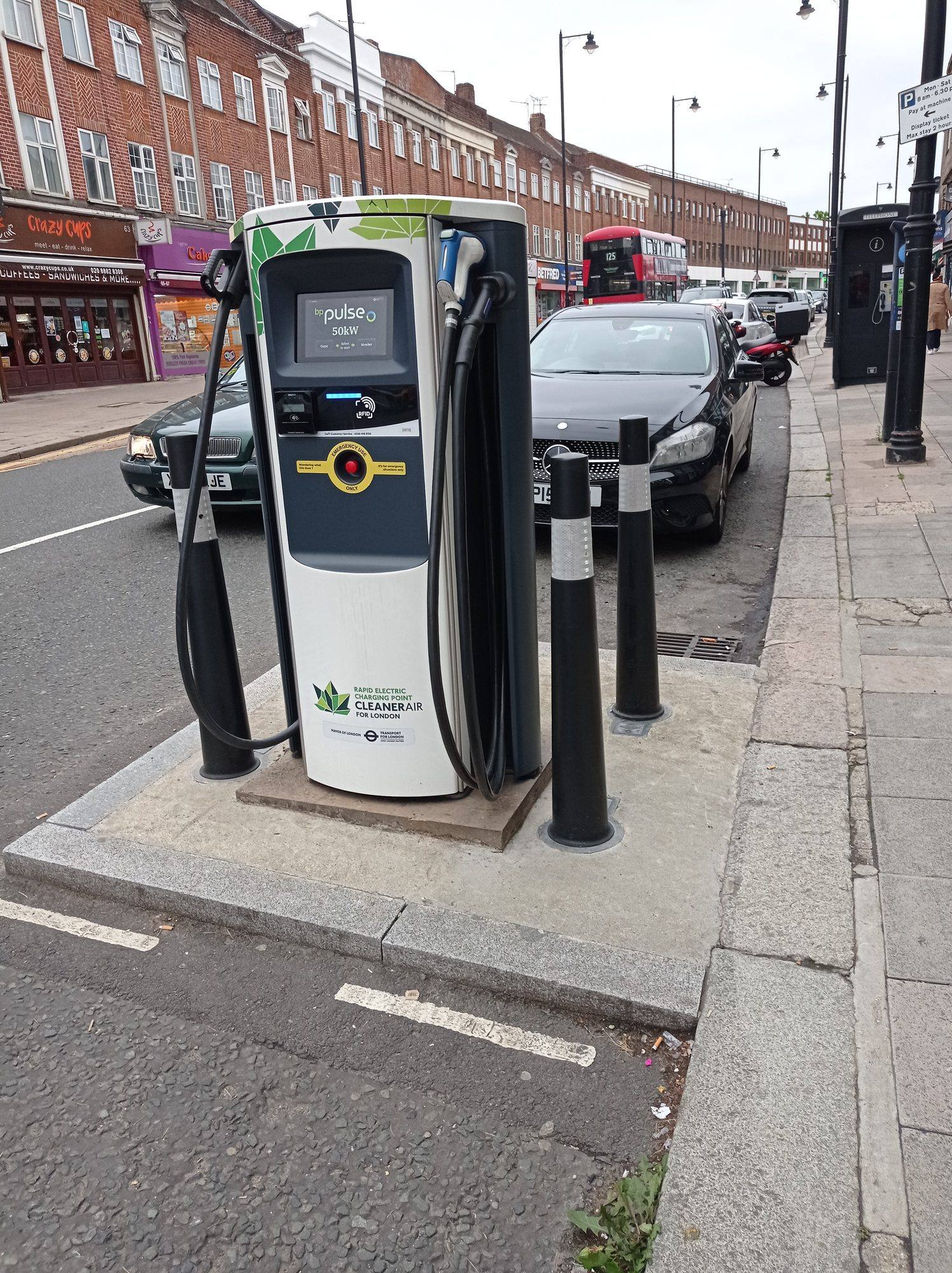
Auto Express reports that the £150 figure assumes 8,000 miles a year at 3.3 miles per kWh. That is about 2,420 kWh. Zapmap’s price index puts the average pay-as-you-go price at standard chargers (3 kW to 49 kW) at 54p per kWh in September 2026, and at 79p for chargers of 50 kW and above.6,9
Charjin’s working: 2,420 kWh at 54p costs about £1,310 a year. Taking £150 off brings that to about £1,160, or roughly 48p per kWh. The same energy at Zapmap’s home figure of about 26p per kWh, based on the energy price cap, costs about £630; on an off-peak tariff of around 8.9p it is about £215. Even with the fund, an on-street driver would pay close to twice the capped home rate.6,9
VAT is a large part of the gap. At 20%, VAT is one sixth of a VAT-inclusive price, so 9p of a 54p charge. Zapmap’s prices are pay-as-you-go rates without memberships or deals, so some drivers already pay less.2,6
The per-mile duty from April 2028
Draft legislation for Electric Vehicle Excise Duty was published alongside the Budget. From 1 April 2028, battery electric cars will pay 3p a mile and plug-in hybrids 1.5p, collected by the DVLA alongside vehicle tax from the first renewal after that date. Drivers will give an odometer reading and an estimate of the coming year’s mileage, pay up front or in instalments, and settle the difference at year end. MOT mileage records will be used to check figures, and rates rise with CPI from 2029-30.3
At the same 8,000 miles, that is £240 a year for an electric car and £120 for a plug-in hybrid. From 2028 the duty would take back more than the £150 charging saving for a typical on-street driver, though the two are separate measures and the fund runs only two years.1,3
What is still unknown, and what to check
The Treasury has not said how the money will reach drivers: which chargers qualify, whether operators must cut their posted price, or what happens after the two years. The Department for Transport is due to set out next steps. Zapmap counts 41,374 on-street chargers out of 124,738 public chargers in the UK at the end of September 2026, so the number of eligible devices matters.1,7,8
If you rely on street charging, check the price per kWh your local network charges now, including any app or membership rate, and compare it again after spring 2027. If you are choosing between an electric car and a plug-in hybrid, add the 2028 per-mile duty to your running-cost sums. The government says electric cars can save up to £1,750 a year against petrol or diesel, but that depends heavily on where you charge.1,3,6
Common questions
When will on-street charging get cheaper?
The £100 million runs over two years from spring 2027. The Department for Transport has not yet said how it will be paid out or which chargers qualify, so prices will not change before then.
Can I use my home electricity tariff at a public charger?
Not yet. The Budget set up a taskforce to explore tariff porting at certain public chargers. There is no timetable.
Is VAT on public charging being cut?
No. HMRC confirmed that public and workplace charging is standard rated at 20%, written into law from 1 November 2026. Home electricity has a temporary zero rate until July 2027.
How much will the pay-per-mile duty cost?
3p a mile for battery electric cars and 1.5p for plug-in hybrids from 1 April 2028, rising with inflation from 2029-30. At 8,000 miles a year that is £240 for an electric car.
Evidence register
The material behind the conclusion. Bracketed numbers in the text point here.
- 01
primary accessed 29 October 2026
Cutting electric vehicle charging costs
HM Treasury (GOV.UK). The £100m over two years from spring 2027 for lower-powered chargers, the £150 saving, the tariff-porting taskforce, the review’s real-terms price rises and the £1,750 saving claim.
- 02
primary accessed 29 October 2026
HM Revenue & Customs (GOV.UK). Public and workplace charging is standard rated from 1 November 2026, the Charge My Street background, and the temporary zero rate on domestic electricity since 1 October 2026.
- 03
primary accessed 29 October 2026
Electric Vehicle Excise Duty (eVED)
HM Revenue & Customs and HM Treasury (GOV.UK). The 3p and 1.5p per-mile rates from 1 April 2028, how mileage is declared and checked, and CPI uprating from 2029-30.
- 04
primary accessed 29 October 2026
What the Autumn Budget 2026 means for your energy bills
Department for Energy Security and Net Zero (GOV.UK). The VAT cut on household electricity from 1 October is extended to July 2027.
- 05
primary accessed 29 October 2026
Cost of public EV charging review: terms of reference
Office for Zero Emission Vehicles (GOV.UK). Philip New as independent chair, the departments the review reports to, and the exclusion of tax recommendations.
- 06
data accessed 29 October 2026
Zapmap. September 2026 average pay-as-you-go prices of 54p per kWh (3 kW to 49 kW) and 79p (50 kW and above), and home reference prices of about 26p (price cap) and 8.9p (off-peak).
- 07
data accessed 29 October 2026
Zapmap. 124,738 public chargers in the UK at 30 September 2026, of which 41,374 are on-street.
- 08
reference accessed 29 October 2026
EV Fleet World. Confirms the fund and taskforce, that DfT will set out next steps, the government’s description of tariff porting as complex, and the ChargeUK reaction.
- 09
reference accessed 29 October 2026
Autumn Budget 2026 decoded for motorists: fuel duty, EV charging prices and more
Auto Express. The 8,000-mile, 3.3 miles per kWh basis of the £150 saving and the review’s publication alongside the Budget; its 5% home VAT figure conflicts with HMRC.
No corrections recorded. Last checked 29 October 2026.