AnalysisHybrids and plug-in hybrids
The EU could cap imported hybrids from 1 December. What it means if you are ordering a China-built hybrid
Brussels has opened a fast-track safeguard case on hybrid cars from every non-EU country, and written submissions close on 20 November. A reported 350,000-a-year limit on Chinese-built hybrids would cover well under the recent import rate, but the official text, the mechanism and the quotas for Japan, Korea and others are not yet published.
By Charjin Editorial Desk5 minutes15 sources

Will the EU's hybrid import cap make my next hybrid dearer or slower to arrive?
The short answer. Possibly, if it is built outside the EU and especially if it comes from China, but nothing is final. The Commission can impose provisional measures within weeks, reportedly from 1 December, yet it has not published the quota sizes or said whether cars over the limit would be taxed or held at customs.
The short version
- The EU opened a safeguard investigation on 30 October into full, mild and plug-in hybrid cars imported from any non-EU country. Written views are due by 20 November.
- Provisional measures can last up to 200 days and are reported to start from 1 December. A final decision is due within nine months, or 11 if extended.
- Reported figures put China's quota at 350,000 cars a year, rising up to 6% a year. That is about 29,200 a month, against roughly 50,000 Chinese hybrids a month arriving in mid-2026.
- What counts is where a car is built, not the badge. Check the plant before you order, and ask whether the price is fixed if import costs change.
What Brussels has started
On 30 October the European Commission opened a safeguard investigation into imports of new hybrid cars. It did so on its own initiative, without a complaint from industry. The case covers full, mild and plug-in hybrids designed to carry nine people or fewer, from every country outside the EU. Micro-hybrids whose electric system does not drive the wheels, motorcycles and other L-category vehicles are excluded.1,6
The Commission's case rests on volume and price. Its notice says imports rose from 957,965 vehicles in 2023 to 1,423,691 in the year to 30 June 2026, an increase of 49%, and that they arrive at prices well below those of EU producers. It argues that this threatens serious injury to EU carmakers in the very near future, rather than claiming the damage has already been done.1,6
The timetable is short. The EU notified the World Trade Organization on the day it opened the case. Companies and governments had 15 days to come forward, and have 21 days from publication to send written views, answer questionnaires or ask for a hearing. That puts the deadline for written submissions on 20 November.1,3,6,11
Why 1 December matters
The notice lets the Commission impose provisional measures for up to 200 days if a preliminary finding gives clear evidence of injury or threat. It must decide on definitive measures within nine months of opening the case, or 11 if it extends the deadline. Borderlex, the Brussels trade newsletter, reports that provisional measures could apply from 1 December. The US International Trade Administration estimates a final determination around 30 July 2027.1,4,6
The case follows talks in Beijing on 8 and 9 October between EU trade commissioner Maroš Šefčovič and China's commerce minister Wang Wentao. Their joint statement says only that the two sides reached an understanding on trade in hybrid vehicles in a way that complies with WTO rules. It gives no numbers.2
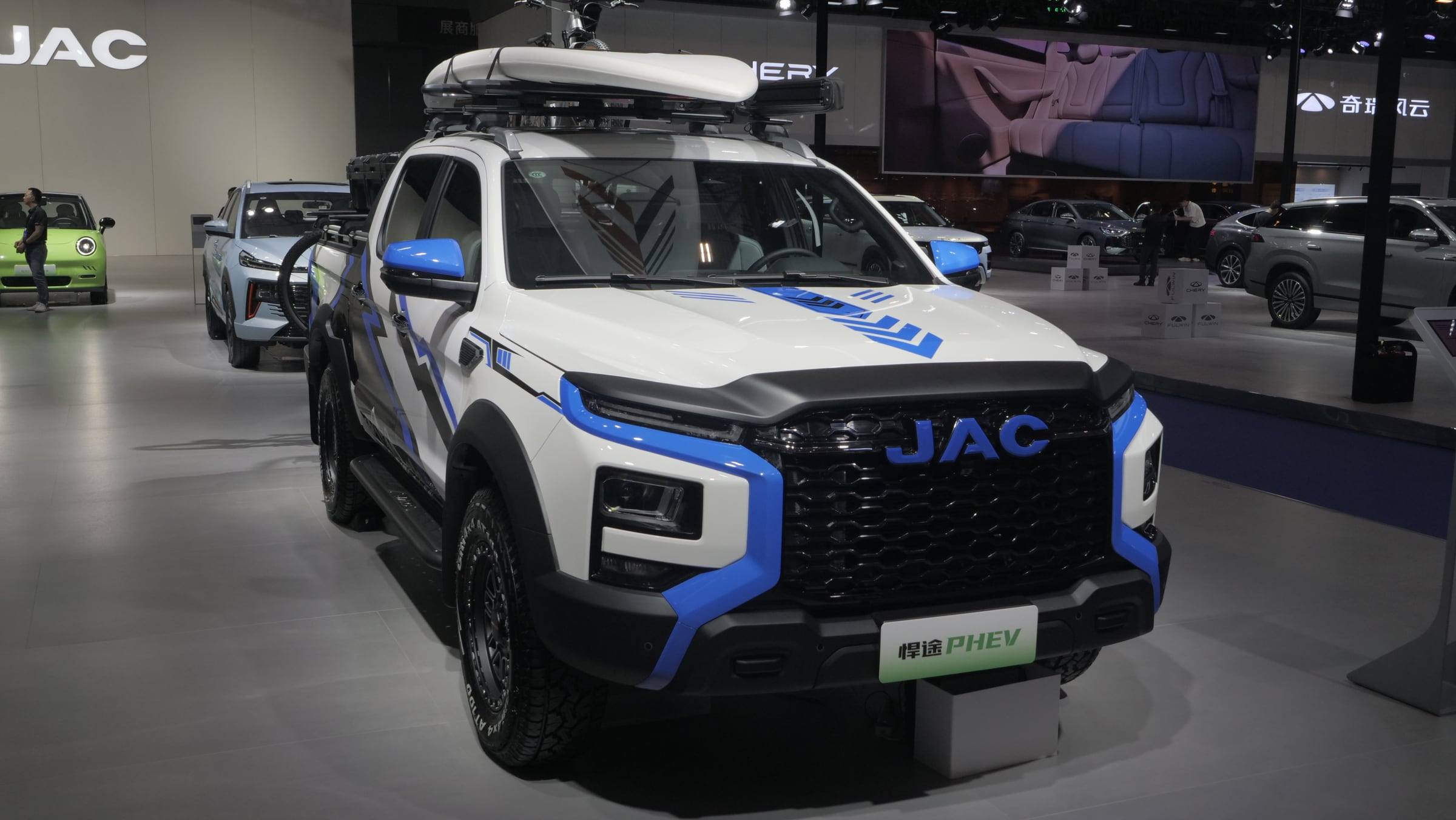
The numbers so far come from reporting, not from an official text. Electrive, citing a Commission representative and Bloomberg, reported a cap of 350,000 Chinese-built hybrids a year from 1 December, rising by up to 6% a year. OSW, the Warsaw think tank, and autoevolution describe a four-year term. Borderlex reports that Japan, South Korea, Türkiye, the UK and the US are each expected to get their own quota, with other countries sharing what is left.6,7,8,9,14
How tight the China cap would be
Chinese hybrids have grown quickly from a small base. ACEA, the European carmakers' association, says Chinese brands took 14% of European full-hybrid sales and 25% of plug-in hybrid sales in the first half of 2026, against 2% in 2024. CnEVPost, citing the Financial Times, reports that monthly imports of Chinese hybrids rose from 3,800 in October 2024 to 50,000 in July 2026.5,13
Charjin's arithmetic shows how far a 350,000 quota sits below that pace. Spread evenly, it allows about 29,200 cars a month, or 58% of the July 2026 rate. If 50,000 a month kept arriving from 1 December, the first year's allowance would be used up in seven months, by the end of June 2027. OSW puts expected imports for 2026 at about 800,000, or roughly 66,700 a month; at that rate the quota would last about five and a quarter months, to mid-May 2027.8,9,13
Those sums assume the quota is applied evenly over the year and that importers do not change their plans, and neither is certain. Today Chinese hybrids pay only the standard 10% EU car duty. China-built battery electric cars have paid extra anti-subsidy duties of 7.8% to 35.3% on top of that since October 2024, up to 45.3% in all.8,13
What is still undecided
The biggest open question is what happens to cars over the limit. Automotive World reports that EU officials told the Guardian such cars would be held at customs, while the Financial Times reported steep extra tariffs. Autoevolution says the document Bloomberg saw does not settle it. Trade lawyer Arnoud Willems told Borderlex the measure could be a hard quota, a tariff-rate quota, tariffs or another tool, and that definitive measures could differ.6,10,14
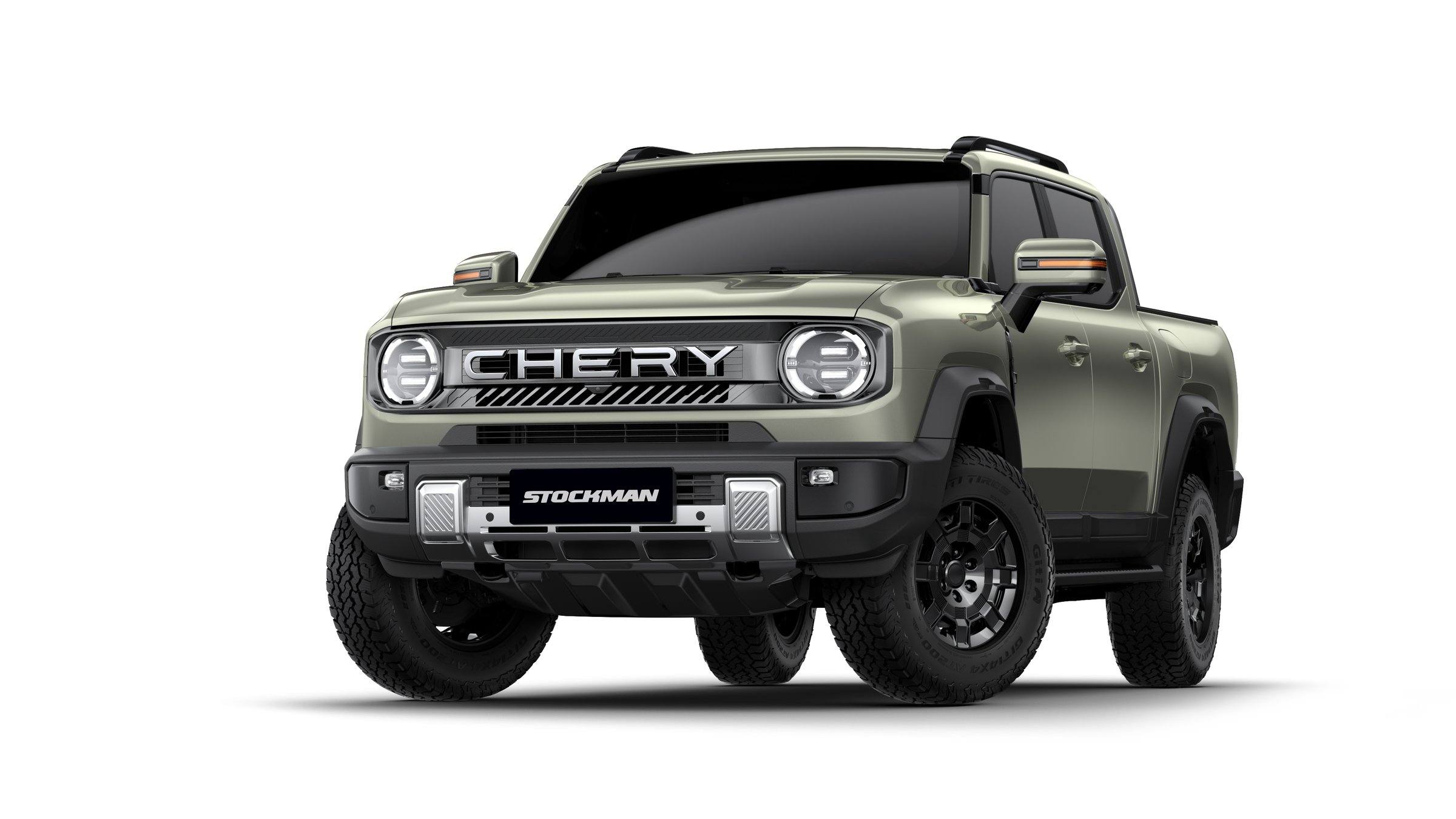
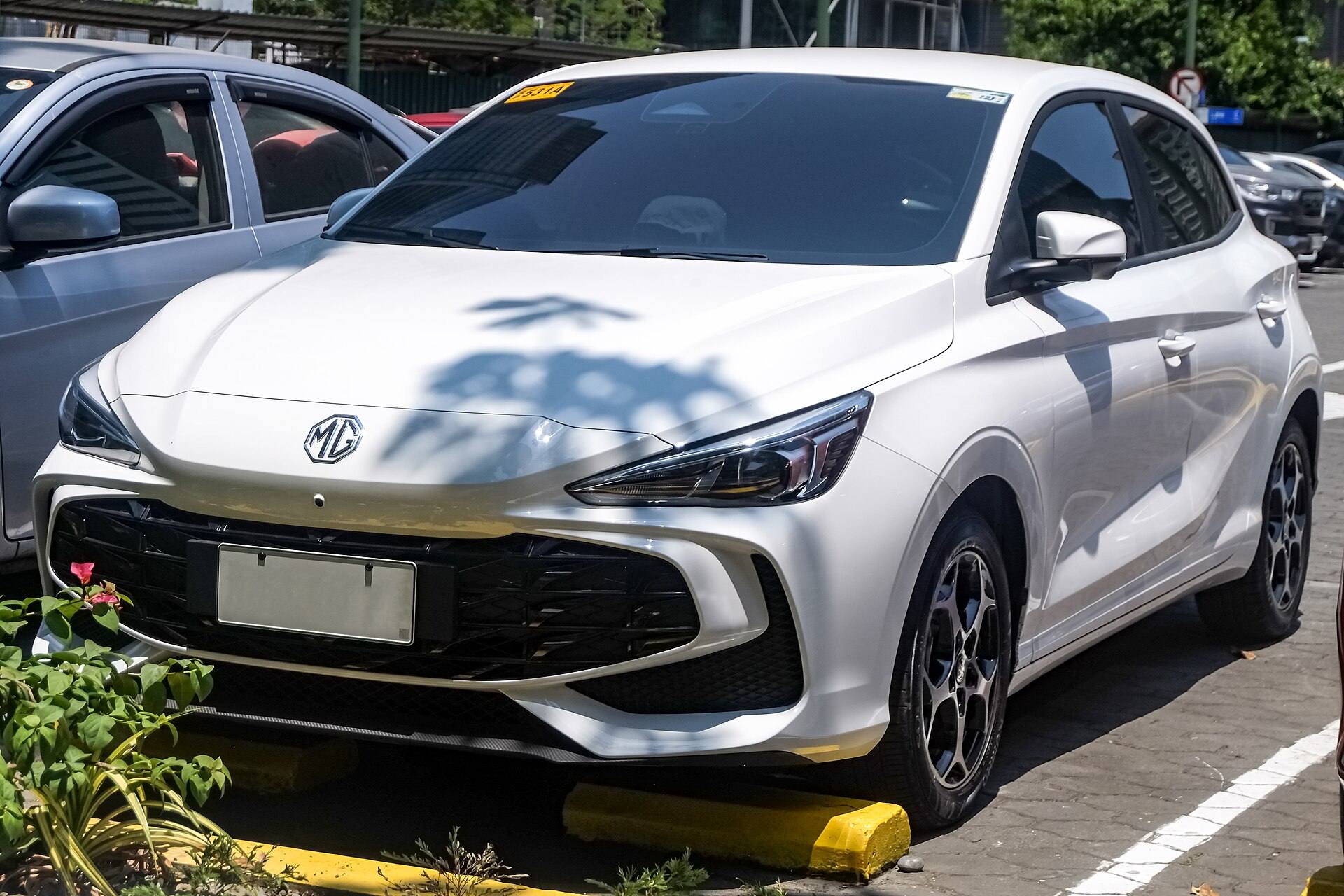
Origin is likely to matter more than the brand. Reports say Chinese-brand cars assembled in the EU, such as BYD's in Hungary and Chery's in Spain, would sit outside the quota, while European carmakers' China-built hybrids would count against it. The European Economic Area, Ukraine, Kenya and small developing exporters are reported to be exempt.10,14
Other exporters are caught too, because a safeguard cannot target one country. South Africa shipped more than 32,000 hybrids worth almost €1.3 billion to the EU between July 2025 and June 2026, according to figures reported by EWN. Donald MacKay of XA Global Trade Advisors in Johannesburg told EWN that the country would lose by default if it did not take part. The Seoul Economic Daily reports that it is undecided whether Korea and Japan would face volume limits or tariffs.11,12
What to check before you order
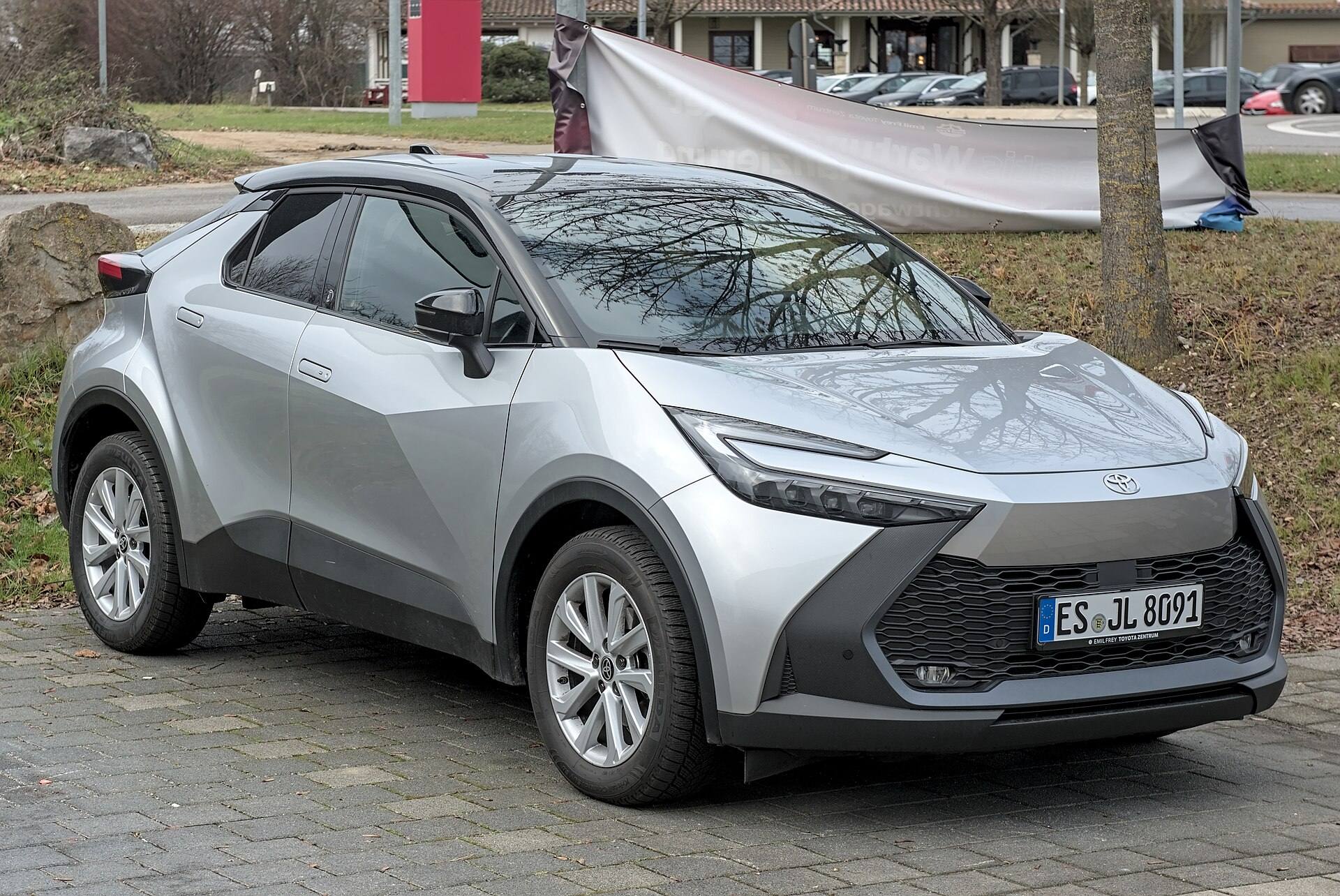
Ask where the exact car you are buying is built. Under the reported terms, a Chinese-brand hybrid from an EU plant and a European-brand hybrid from a Chinese plant fall on opposite sides of the line. Decide first whether a full hybrid or a plug-in suits how you drive, then check the plant for that version.10
If you are ordering an imported hybrid for delivery next year, ask whether it is already in European stock and whether your contract fixes the price if import costs change. No official text says list prices will rise. If cars over the quota are held at customs rather than taxed, the effect could show up as longer waits instead of higher prices.6,10
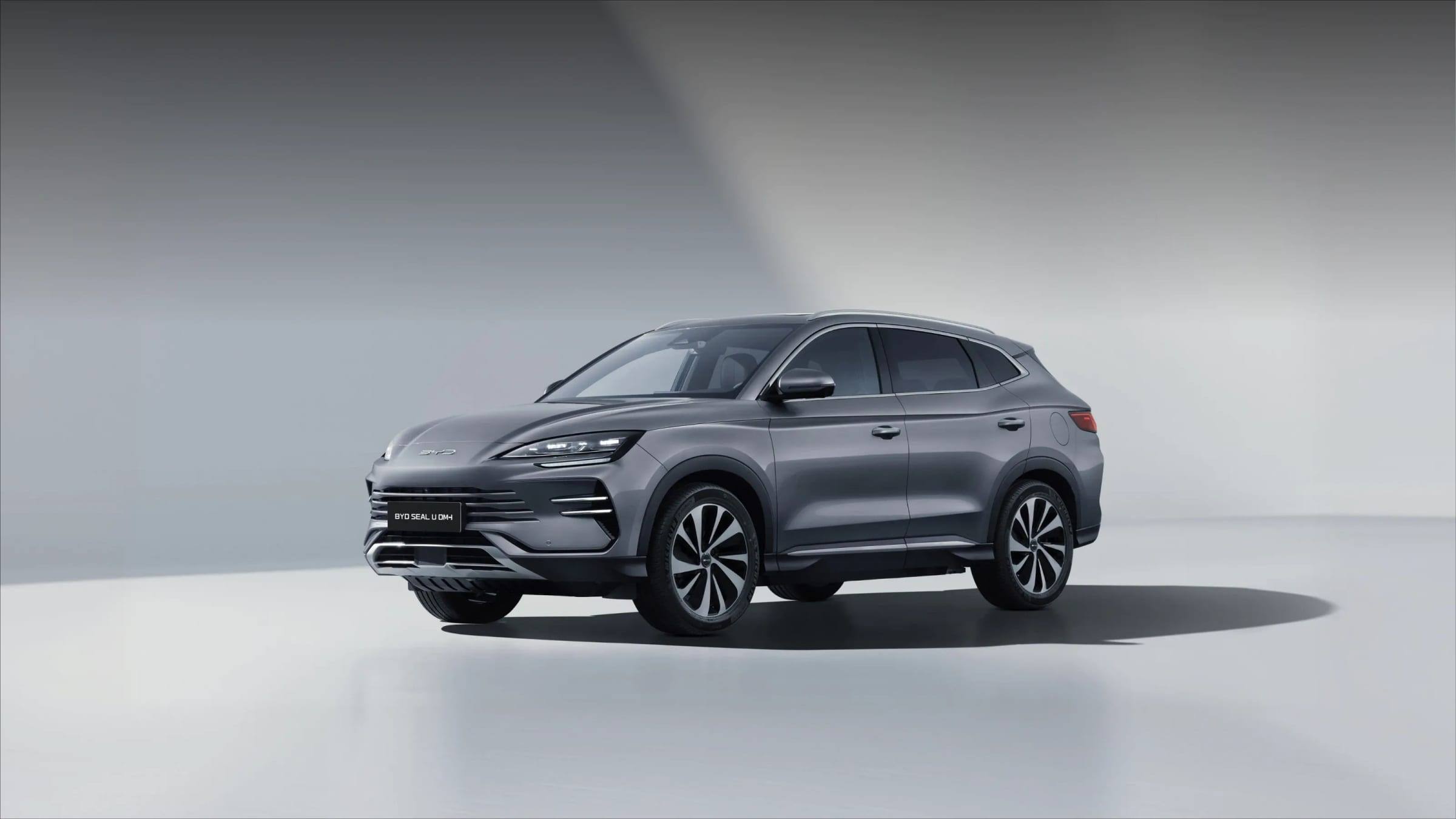
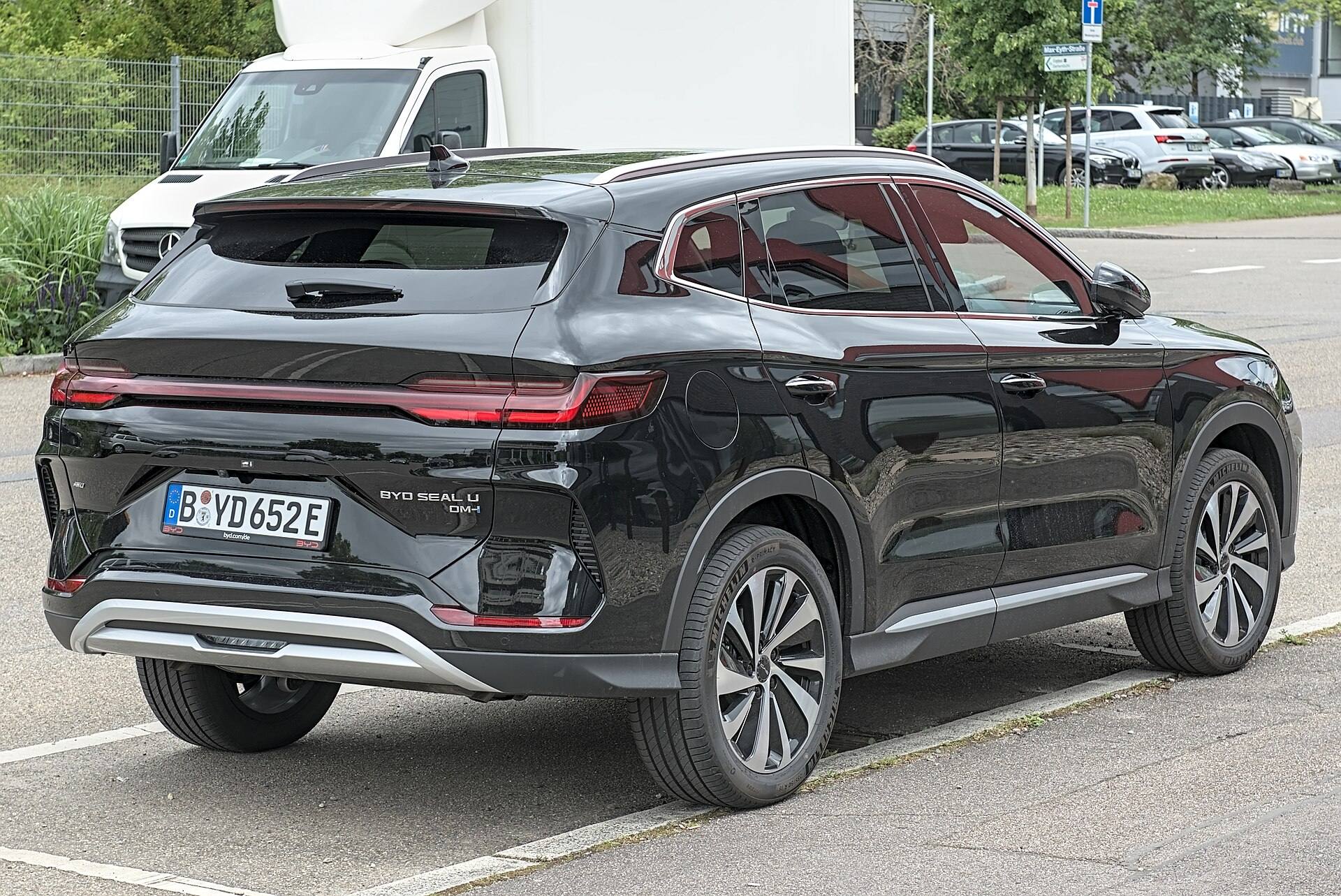
Plug-in hybrid buyers should judge the car on its own merits as well as its origin. BYD's European page quotes Blade batteries from 18.3 kWh for the Seal U DM-i, 70 km or more of electric range and up to 1,080 km combined with petrol. Charjin's report on ADAC's test of the Seal U sets those claims against measured figures, so check the numbers for the version you are offered.15
Watch for two things in the coming weeks: a Commission regulation setting provisional measures, which would give the quota sizes and the treatment of cars over the limit, and any quotas named for Japan, Korea, Türkiye and the UK. Until then, the 350,000 figure and the 1 December start date remain reported, not published. The safeguard is a trade measure under the EU's import regulations, separate from the vote on the EU's car CO2 rules.1,6,7,8
Common questions
Does the safeguard only apply to Chinese hybrids?
No. The investigation covers hybrid imports from every non-EU country. China is reported to get a quota of 350,000 a year, and Japan, South Korea, Türkiye, the UK and the US are expected to get their own, but none of those figures has been published.
Are self-charging hybrids included, or only plug-ins?
Both. The notice covers full, mild and plug-in hybrids for up to nine people. Micro-hybrids whose electric system does not drive the car are excluded.
Will a BYD built in Hungary count against the quota?
Reports say Chinese-brand cars assembled in the EU sit outside the quota, while China-built cars count whatever the badge. The Commission has not yet published the measure that would confirm this.
When will we know the final rules?
Provisional measures can come at any point once the Commission has a preliminary finding and are reported for 1 December. Definitive measures are due within nine months of 30 October, or 11 if extended.
Evidence register
The material behind the conclusion. Bracketed numbers in the text point here.
- 01
primary accessed 17 November 2026
Official Journal of the European Union. Official Journal notice of 30 October 2026: product scope, 2023 to mid-2026 import figures, 15 and 21-day deadlines, 200-day provisional measures and nine-month schedule.
- 02
primary accessed 17 November 2026
Joint Statement at the second meeting of the EU-China Trade and Investment Consultations
European Commission. Records the 8-9 October Beijing meeting and the understanding on trade in hybrid vehicles in a WTO-compliant manner, without figures.
- 03
primary accessed 17 November 2026
Safeguard measures: EU initiates investigation on certain new hybrid vehicles
World Trade Organization. Confirms the EU notified the WTO Committee on Safeguards and opened the case on 30 October 2026, with 21-day deadlines for submissions.
- 04
primary accessed 17 November 2026
European Union initiates safeguard investigation on global imports of certain new hybrid vehicles
International Trade Administration (US Department of Commerce). US government notice listing the CN codes and an estimated final determination date of 30 July 2027.
- 05
data accessed 17 November 2026
ACEA welcomes EU-China interim deal as positive step towards easing trade tensions
ACEA (European Automobile Manufacturers' Association). Gives Chinese brands' share of European hybrid (14%) and plug-in hybrid (25%) sales in the first half of 2026, against 2% in 2024.
- 06
reference accessed 17 November 2026
EU puts hybrid car safeguard on a one-month fast track
Borderlex. Reports the 14 and 20 November deadlines, a possible 1 December start for provisional measures and trade lawyers' views on the form of the measure.
- 07
reference accessed 17 November 2026
Top five hybrid exporters to get dedicated quotas under EU safeguard
Borderlex. Reports that Japan, South Korea, Türkiye, the UK and the US are expected to get their own quotas, with a residual quota for others.
- 08
reference accessed 17 November 2026
China agrees to limit hybrid exports to the EU
electrive. Reports the 350,000 annual cap from 1 December rising up to 6% a year, about 50,000 Chinese hybrids a month and the standard 10% duty.
- 09
research accessed 17 November 2026
European Commission and China agree to curb hybrid car imports to the EU
OSW Centre for Eastern Studies. Analysis giving about 300,000 Chinese hybrid imports in 2025, about 800,000 expected in 2026 and a four-year term.
- 10
reference accessed 17 November 2026
EU caps Chinese hybrids at 350,000 but spares local plants
Automotive World. Reports that EU-assembled Chinese-brand cars are outside the quota, the reported exemptions, and conflicting accounts of customs holds versus tariffs.
- 11
reference accessed 17 November 2026
EU hybrid vehicle investigation could derail SA's Automotive Masterplan, warns consulting firm
EWN (Eyewitness News). South African exports of more than 32,000 hybrids worth almost €1.3 billion to the EU, the 20 November deadline and a trade adviser's comments.
- 12
reference accessed 17 November 2026
EU Hybrid Import Caps Aimed at China May Hit Korea
Seoul Economic Daily. Reports that it is undecided whether Korea and Japan would face volume limits or tariffs.
- 13
reference accessed 17 November 2026
EU plans curbs on Chinese hybrid imports
CnEVPost. Monthly Chinese hybrid imports rising from 3,800 in October 2024 to 50,000 in July 2026, and the 7.8% to 35.3% extra duties on Chinese BEVs.
- 14
reference accessed 17 November 2026
The EU's new Chinese hybrid vehicle import quota kicks off at 350,000 vehicles per year
autoevolution. Reports the four-year window, coverage of self-charging and plug-in hybrids, exemptions, and that the enforcement mechanism was not settled.
- 15
manufacturer accessed 17 November 2026
BYD Europe. BYD Europe's model page: batteries from 18.3 kWh, 70 km or more of electric range and up to 1,080 km combined.
No corrections recorded. Last checked 17 November 2026.