ReportElectric cars
Electric vehicles took 11.5% of Indian registrations in October. For cars the share was 7.3%, and carmakers' own counts differ
Dealer body FADA says India registered about 3.55 lakh electric vehicles in October 2026, its best month for EVs. Most were two- and three-wheelers. Electric cars reached 37,049, or 7.3% of passenger vehicles, and the figures carmakers publish measure something else.
By Charjin Editorial Desk3 minutes7 sources
Is one in nine new vehicles in India now electric?
The short answer. Across all registrations, yes: in October 2026 about 11.5% were electric, according to FADA. But electric three-wheelers and two-wheelers make up most of that. Electric cars were 37,049 of 5,07,768 passenger vehicles registered, a share of 7.3%.
What the October figures show
- FADA counts about 3.55 lakh electric vehicle registrations in October 2026, up 44.88% on October 2025, or about 11.5% of all vehicle registrations.
- Electric cars reached 37,049, up 76.47% year on year and 7.3% of passenger vehicle registrations. Electric models were about 63% of three-wheelers.
- Carmakers' own monthly sales figures are company-reported, can include exports and are not registrations. Tata reported 16,244 EVs, while registration data credits it with roughly 14,600.
- Total registrations fell 23.8% year on year because Dhanteras and Diwali fell in November this year, so November's figures will look strong for the same reason.
What the 11.5% counts
The Federation of Automobile Dealers Associations (FADA) published its October 2026 retail figures on 6 November. They count vehicles registered with regional transport offices. FADA reports about 3.55 lakh electric vehicle registrations, up 44.88% on October 2025 and the highest monthly total it has recorded. That is about 11.5% of all registrations, against about 6% a year earlier.1,2,3
The 11.5% covers every category: two-wheelers, three-wheelers, cars and commercial vehicles. Three-wheelers are where electric is already the norm. FADA says electric models were about 63% of the 1,41,420 three-wheelers registered in October.1,2
Electric cars: 37,049 registrations, 7.3% of the car market
Electric passenger vehicle registrations rose 76.47% to 37,049, from 20,995 in October 2025. Total passenger vehicle registrations fell 14.23% to 5,07,768, so electric cars took 7.3% of the car market. CNG, hybrid and electric cars together took 41.83% of passenger vehicles, slightly more than petrol at 41.60%. Diesel took 16.57%.1,3,4
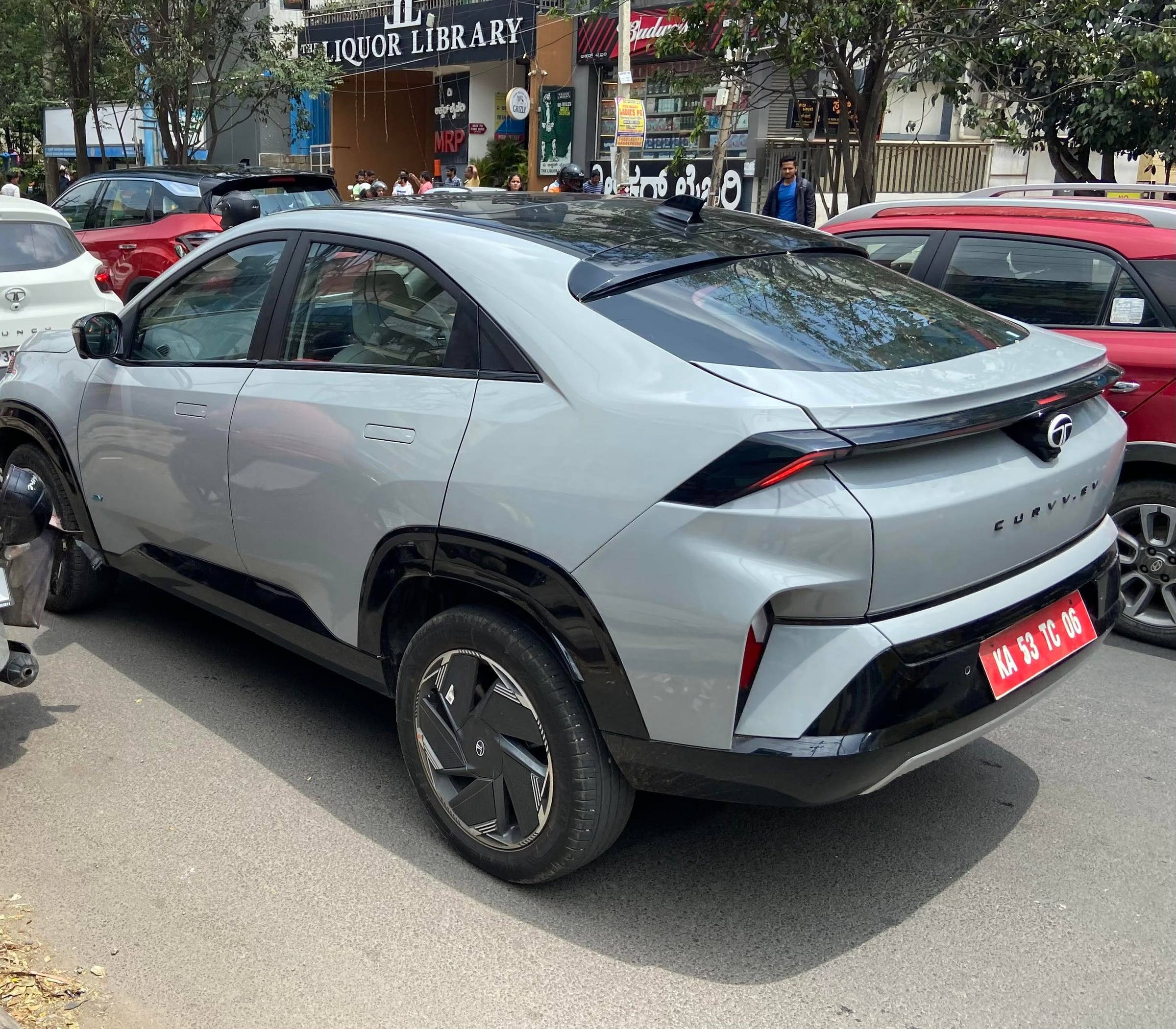
Tata led with 14,669 electric car registrations, followed by Mahindra with 8,538 and JSW MG with 5,939. VinFast registered 2,571, Kia 1,395, Maruti Suzuki 1,200, Hyundai 760, BYD 737, BMW 462 and Tesla 291. The top three brands account for almost four in five electric cars.4
Charjin's arithmetic: if 37,049 of about 3.55 lakh electric registrations were cars and about 63% of three-wheelers were electric, roughly 89,000 were three-wheelers. That leaves about 2.3 lakh electric two-wheelers and commercial vehicles. The reports we could read did not give FADA's exact split.1,4
Why carmakers' figures differ
On 1 November, Tata Motors reported 16,244 electric vehicle sales for October, up 74.93% and about 21.5% of its 75,426 passenger vehicles. That is a company sales figure, not a registration count, and the total includes 1,532 exports. DriveSpark notes it is not clear whether the EV figure includes exports.6
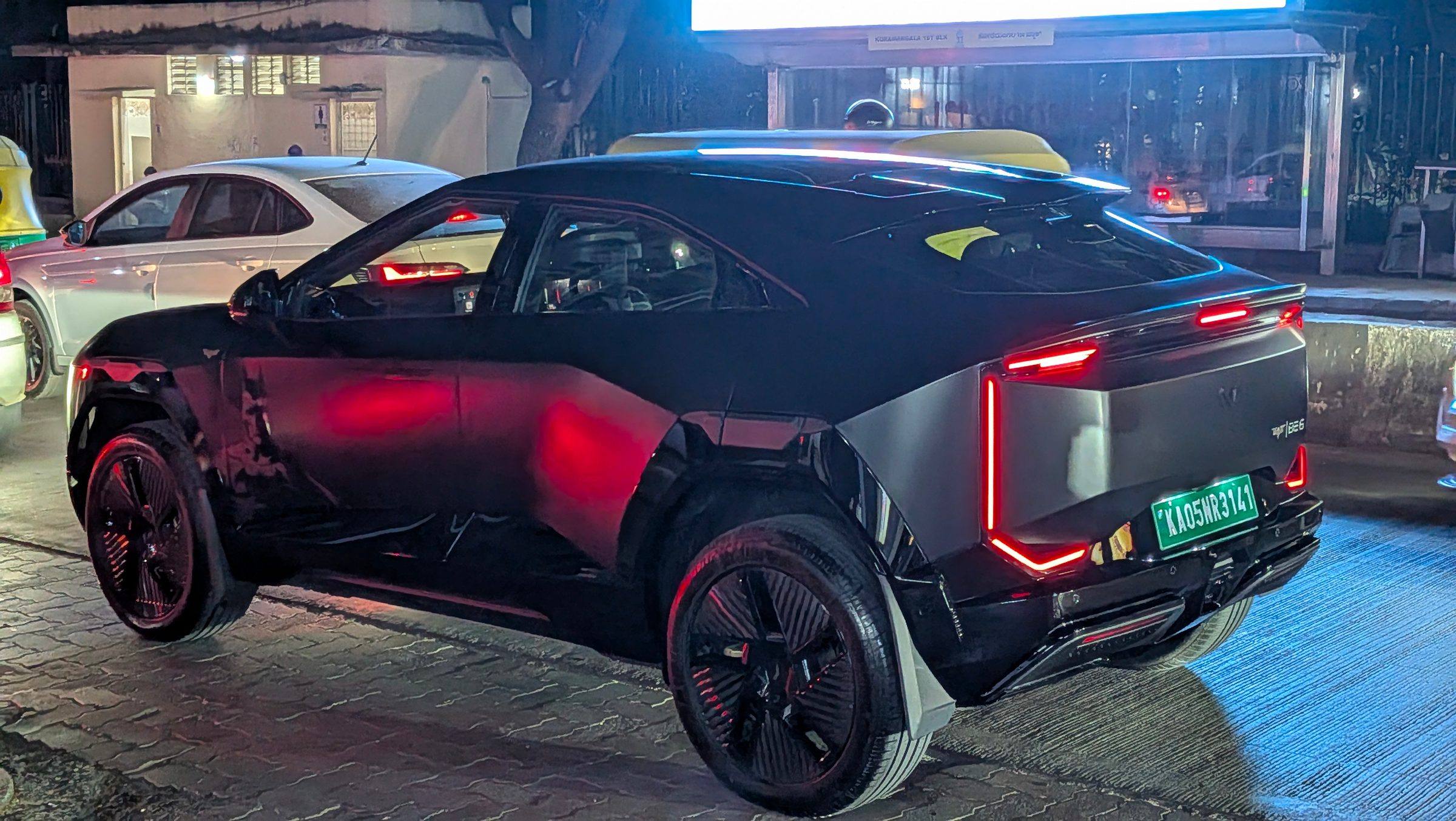
Registration data gives a lower figure. Vahan registration data shared by Tata, taken at 11am on 1 November, credited Tata with 14,552 electric registrations, 19.9% of its registrations. The FADA-based count a few days later was 14,669. Mahindra's own release gives no separate electric figure. It reports 73,338 domestic SUVs including Mahindra Electric Automobile, while registration data credits it with between 8,472 and 8,538 electric SUVs.4,5,7
Neither figure is wrong. Company sales figures reflect what a maker shipped, while registrations reflect what customers put on the road. When registrations lag shipments for months, stock builds at dealers. FADA puts passenger vehicle stock at 43 to 45 days, and it expects stock to fall towards 30 days by the end of the year.1,2
Why totals fell while EVs rose
All registrations fell 23.8% year on year to 31,72,466 but rose 25.05% from September. In 2025, Navratri and Diwali both fell in October, shortly after GST rate cuts that took effect on 22 September 2025. This year Dhanteras is on 6 November and Diwali on 8 November, so much of the festival buying moves into November.1,2
FADA president Sai Giridhar said October should be judged against the shifted festival calendar rather than on year-on-year change alone. FADA said EV demand outpaced supply. It credited longer driving ranges, higher fuel prices and EV prices closer to petrol and diesel models. Tata also says demand for its EVs exceeds supply.1,2,6
What a buyer should check
If demand outruns supply, ask the dealer for a written delivery date for the exact variant and battery size before paying a booking amount. November figures will be inflated by Diwali, so wait for December before reading a new trend into them. About 31% of dealers in FADA's survey said the first repo rate rise in more than three years had affected financing costs, so compare loan rates as well as the on-road price.1,2
Common questions
Why does FADA give one EV number and Tata another?
FADA counts registrations at regional transport offices. Tata's monthly figure is a company sales number that is not a registration count and may include exports. For October, Tata reported 16,244 electric vehicles. Registration data credited it with about 14,550 to 14,670 electric registrations.
Is the 11.5% figure an electric car share?
No. It covers every vehicle type, including two-wheelers and three-wheelers. About 63% of three-wheelers were electric. The electric car share was 7.3% of passenger vehicle registrations.
Why did total sales fall in October 2026?
Mainly because of the calendar. In 2025, Navratri and Diwali both fell in October, after GST cuts in September. In 2026, Dhanteras and Diwali fall on 6 and 8 November, so FADA expects much of that buying to show up in November.
Evidence register
The material behind the conclusion. Bracketed numbers in the text point here.
- 01
reference accessed 7 November 2026
Auto retail falls 23.8% YoY in October 2026; dealers expect festive boost in November: FADA
Storyboard18. FADA October 2026 totals by segment, EV registrations and share, 63% electric share of three-wheelers, festival timing, inventory, dealer survey and comments from FADA president Sai Giridhar.
- 02
reference accessed 7 November 2026
India Auto Retail Sales Grow 25.05% MoM in October 2026: FADA
AutoGuideIndia. Independent report of the same FADA release: segment figures, 3.55 lakh EVs and 11.5% share, the 22 September 2025 GST cut and festival dates, inventory outlook and the dealer survey.
- 03
reference accessed 7 November 2026
EV market share in India doubles to 11.5%; October sales set new record
Onmanorama. Confirms the 3.55 lakh EV total, the rise from 6% to 11.5%, and the passenger vehicle fuel mix including diesel at 16.57%.
- 04
reference accessed 7 November 2026
Electric Car Registrations Surge 76% in October 2026; Tata Leads as EV Market Share Doubles
Auto Punditz. FADA-based electric passenger vehicle registrations by brand, the 37,049 total and 7.3% share, and the all-category total of 3,54,625.
- 05
reference accessed 7 November 2026
Tata Motors ranks second in October PV registrations, retains EV lead
Autocar Professional. Vahan registration snapshot taken at 11am on 1 November 2026: Tata 14,552 electric registrations (19.9% of its total), Mahindra 8,472, JSW MG 5,877.
- 06
reference accessed 7 November 2026
Tata Motors October 2026 Sales Scale New All Time High - 75,426 Units Sold
DriveSpark. Tata Motors' reported October 2026 sales: 75,426 total, 1,532 exports, 16,244 EVs, Punch.ev above 5,000, and Tata's statement that EV demand exceeds supply.
- 07
manufacturer accessed 7 November 2026
Mahindra & Mahindra. Mahindra's own October 2026 sales release: 73,338 domestic SUVs including Mahindra Electric Automobile, with no separate electric SUV figure.
No corrections recorded. Last checked 7 November 2026.