AnalysisElectric cars
Electric cars took 5.9% of Japan's registered-car sales in October. From 1 January the national subsidy falls by up to ¥520,000
Battery-electric cars reached their highest share of Japan's registered passenger-car sales this year in October, at more than three times last October's count. Cars registered from 1 January 2027 get about 40% less from the national CEV subsidy, and the money may run out in December anyway.
By Charjin Editorial Desk4 minutes8 sources
I am buying an electric car in Japan. Does it matter whether it is registered this year or next?
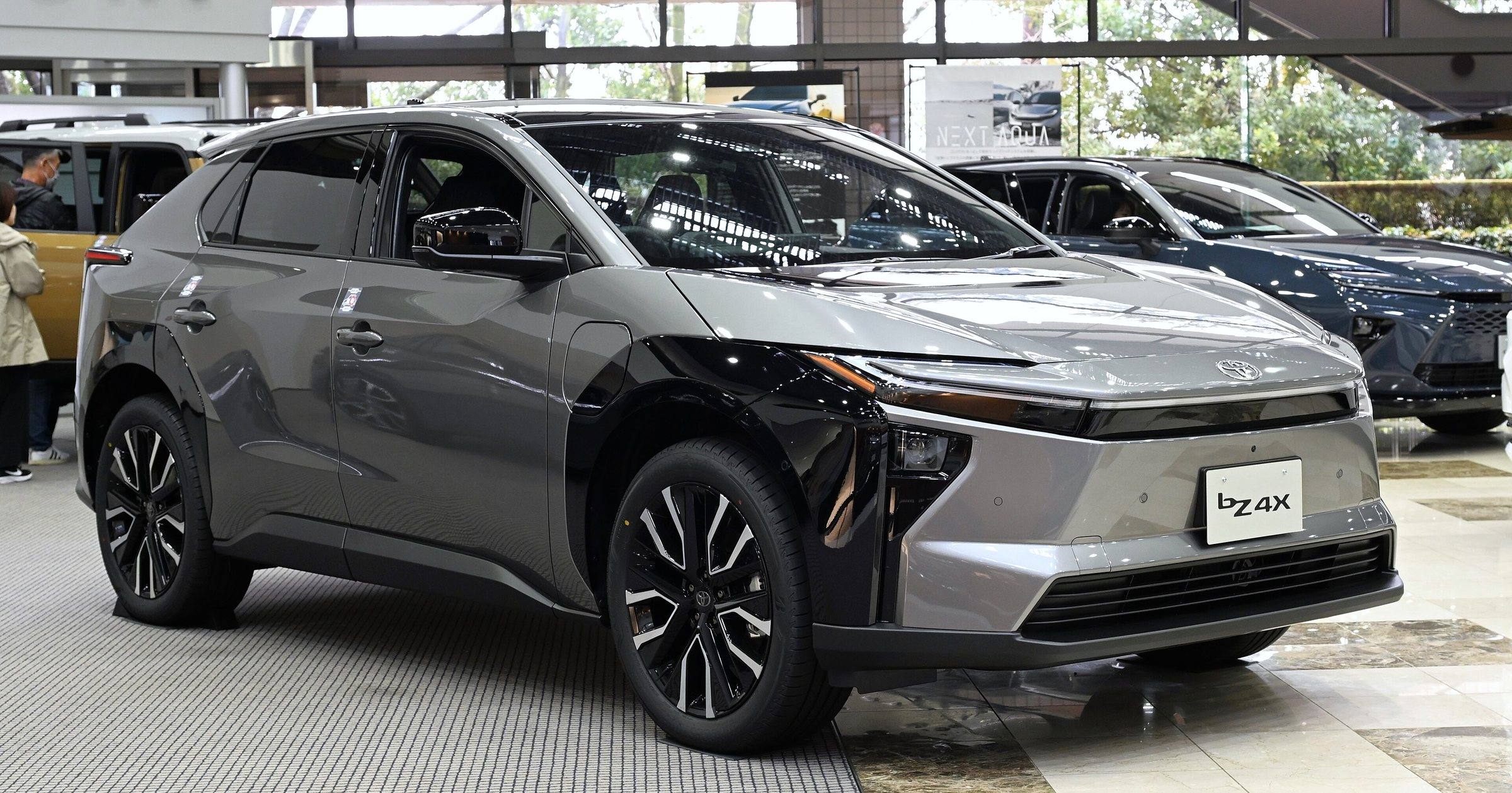
The short answer. Yes. The national CEV subsidy is set by registration date, and a car first registered on or after 1 January 2027 gets about 60% of the current amount: ¥780,000 instead of ¥1,300,000 for a Toyota bZ4X, for example. The fund may also close earlier, because the subsidy centre's latest forecast is that applications end between early and late December 2026.
Key points
- JADA counted 12,733 battery-electric passenger cars registered in October 2026, 5.9% of registered cars and 3.26 times the October 2025 figure. Kei cars are not included.
- From 1 January 2027 the top national subsidy for a regular electric car falls from ¥1,300,000 to ¥780,000, a plug-in hybrid from ¥850,000 to ¥510,000 and a kei electric car from ¥580,000 to ¥458,000.
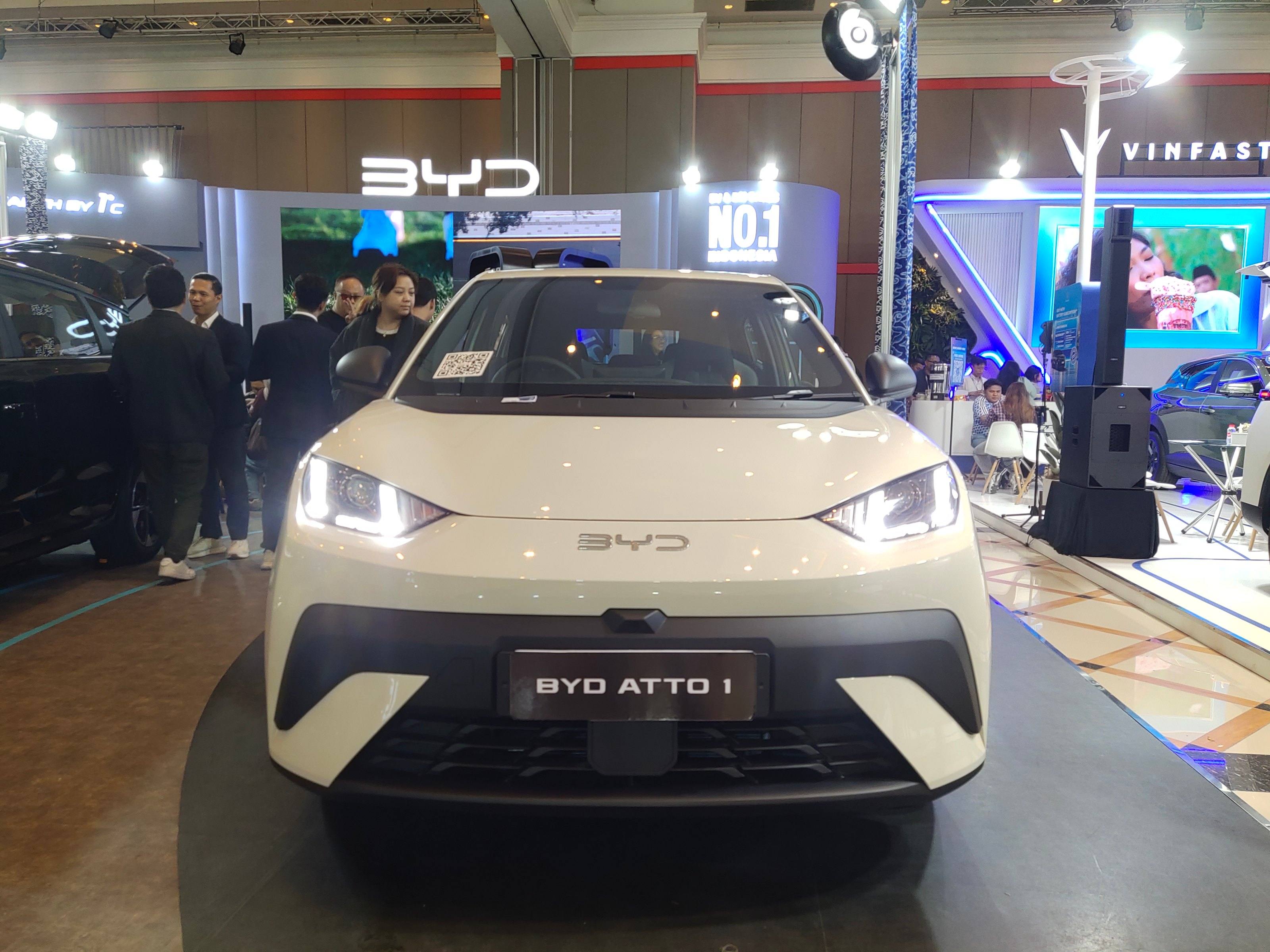
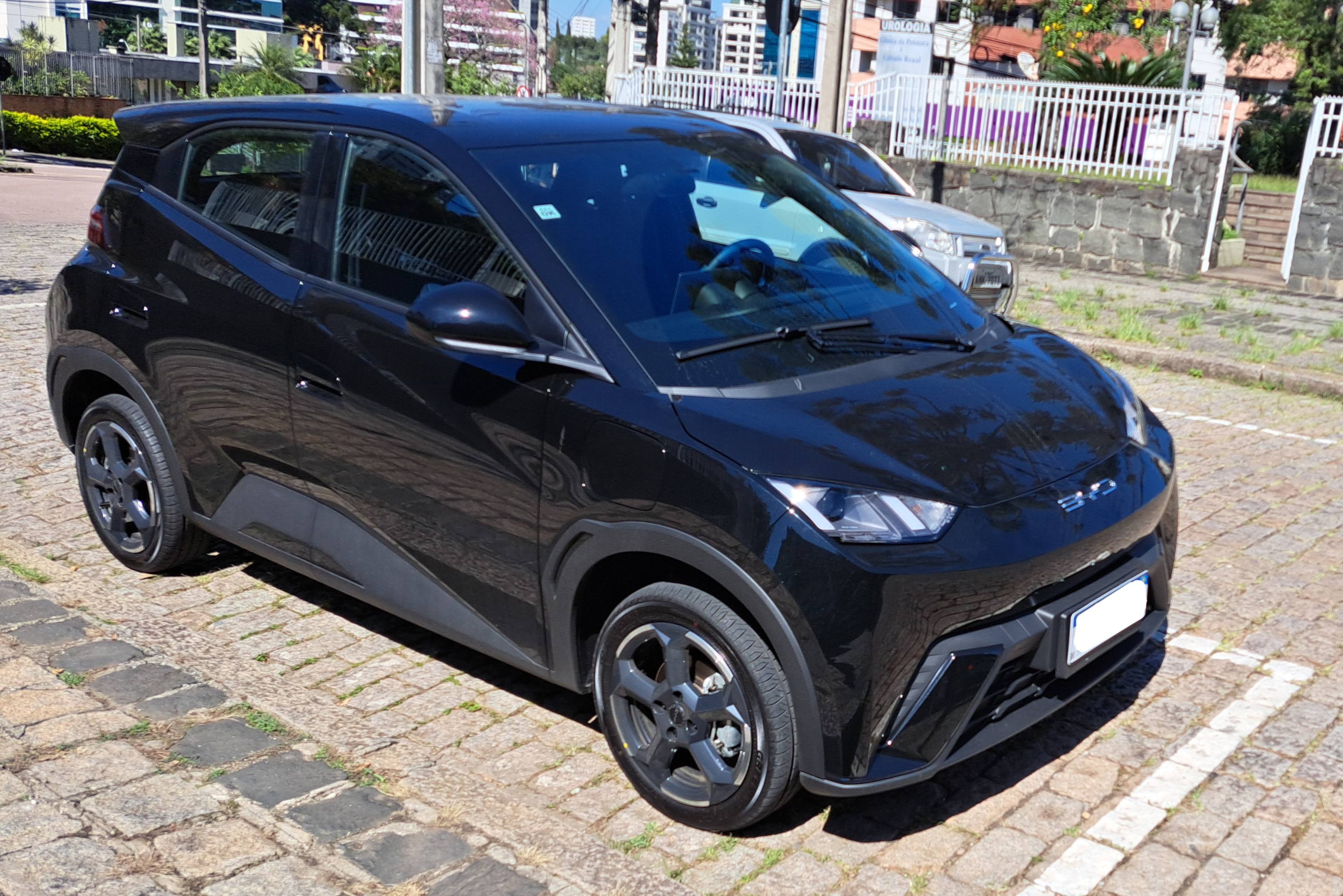
- On the subsidy centre's 6 November table, the cut adds ¥516,000 to ¥520,000 to the net price of a Toyota bZ4X, Nissan Leaf or Tesla Model Y, ¥122,000 to a Nissan Sakura and ¥60,000 to a BYD Atto 3.
- Applications are first come, first served. The centre forecast on 9 October that the money would run out between early and late December 2026.
What October's figures show
The Japan Automobile Dealers Association (JADA) counted 216,757 registered passenger cars in October 2026, of which 12,733 were battery-electric. That is a 5.9% share, up from about 1.8% a year earlier, and the electric count was 3.26 times October 2025's. Plug-in hybrids added 5,584 cars, or 2.6%.1
October's share was the highest of any month in 2026, just above September's 5.7%. Adding JADA's monthly tables gives 95,614 electric registrations from January to October, 4.3% of the 2,204,125 registered passenger cars in that period.1
Hybrids remain the bulk of the market. They took 62.4% of October's registrations, against 26.7% for petrol cars. Toyota registered 4,108 electric cars in the month, 3.8% of its 106,924 registrations, and imports, which JADA counts to include Japanese brands' cars built abroad, added 4,208, or 13.3% of all imported cars.1
Two limits apply to these figures. JADA's fuel-type table covers registered cars only, so kei cars such as the Nissan Sakura are left out. It also counts registrations, which is the date the subsidy depends on, so a rush to register before the rates fall would show up here in November and December.1,2
What changes on 1 January
On 21 October the Ministry of Economy, Trade and Industry (METI) revised the clean energy vehicle (CEV) subsidy, which is paid from the fiscal 2025 supplementary budget and run by the Next Generation Vehicle Promotion Center. New rates apply to cars first registered on or after 1 January 2027.3,6,7
The highest amount for a regular electric car falls from ¥1,300,000 to ¥780,000, a plug-in hybrid from ¥850,000 to ¥510,000, a kei electric car from ¥580,000 to ¥458,000 and a fuel cell car from ¥1,500,000 to ¥900,000. Those ceilings include a bonus for carmakers that use lower-emission steel, which is cut from ¥50,000 to ¥30,000 for regular cars.6,7,8
Each model's amount still depends on the score METI gives its maker, which covers factors such as charging infrastructure and supply stability. A regular electric car in the top band drops from ¥1,250,000 to ¥750,000 before the steel bonus, and one in the lowest band from ¥150,000 to ¥90,000. Kuruma News reported METI's reason as keeping the scheme running within its budget after strong demand.7,8
What the cut means for five cars
The subsidy centre's per-model table, dated 6 November, lists each grade's pre-tax list price and its subsidy for registrations from 1 April to 31 December 2026 and from 1 January 2027. Charjin added Japan's 10% consumption tax to those prices to show the change in what a buyer pays. Options, registration costs and local grants are left out.2
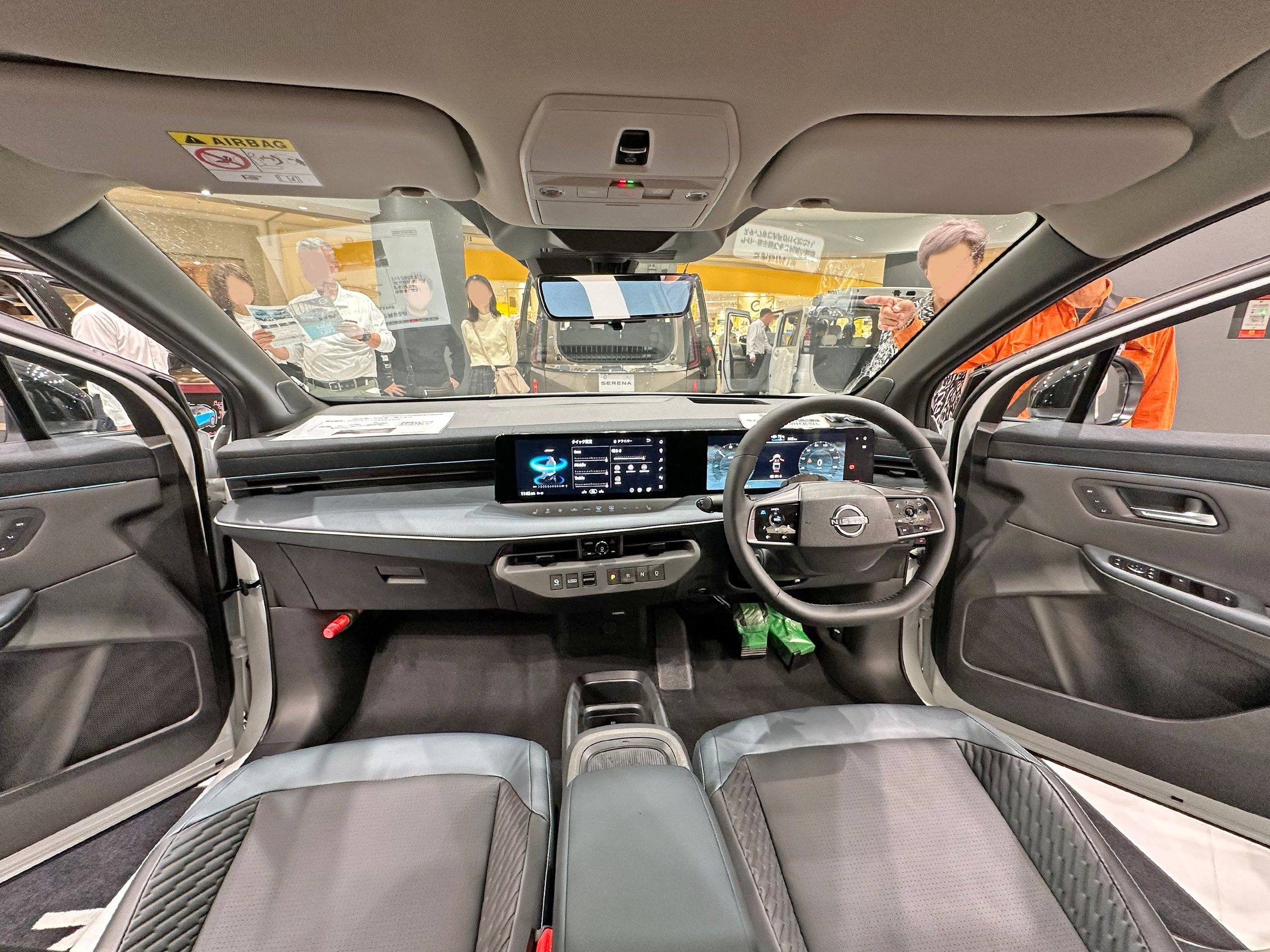
Toyota bZ4X G (FWD): ¥4,800,000 with tax. With the subsidy it nets to ¥3,500,000 this year and ¥4,020,000 from January, ¥520,000 or 14.9% more. Nissan Leaf B5 S: ¥4,389,000 with tax, netting ¥3,099,000 this year and ¥3,615,000 from January, ¥516,000 or 16.7% more. Every Tesla Model Y grade in the table loses ¥508,000, from ¥1,270,000 to ¥762,000.2
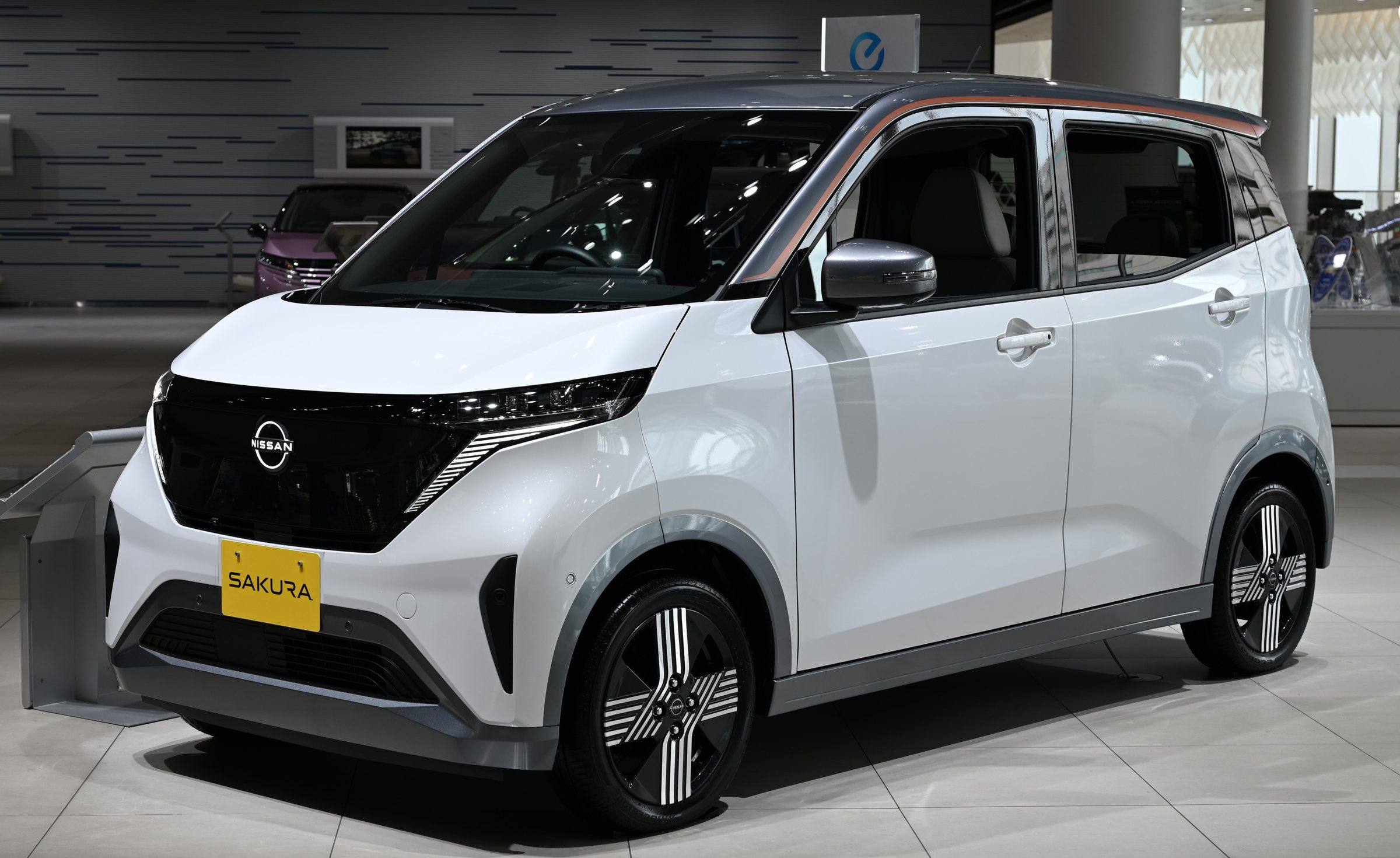
Cars with smaller subsidies lose less. A Nissan Sakura X costs ¥2,599,300 with tax and its subsidy falls from ¥580,000 to ¥458,000, so the net price rises by ¥122,000, or 6.0%. A BYD Atto 3 loses ¥60,000, from ¥150,000 to ¥90,000. A Toyota Prius plug-in hybrid G loses ¥340,000, from ¥850,000 to ¥510,000.2
The cut narrows the gap between the brands as well as raising prices. This year a bZ4X gets ¥1,150,000 more from the national subsidy than an Atto 3. From January the gap is ¥690,000. Buyers comparing the two should redo the sums with 2027 amounts if delivery could slip into January.2
The budget may close first
Under the centre's rules, cars first registered up to 1 February 2027 can be subsidised and applications must arrive by 12 February 2027. Applications are handled in order of arrival, and if the budget runs out before then, the scheme closes on the business day before the money is used up.4
On 9 October the centre forecast that applications would close between early and late December 2026, the same window it gave on 4 September. It said the forecast could move with the pace of applications and that it would update it on its website. No newer forecast had been posted when Charjin checked on 8 November.5
The centre also warns that an application that arrives in time can still fail if documents are missing, for example a copy of the loan contract for a car bought on finance. That matters most near the closing date, when there is little time to fix errors.4
What to check before you sign
Ask the dealer for a written registration date, not a delivery date, because the subsidy table sets amounts by first registration. Kuruma News reported dealers fielding calls from buyers unsure whether a year-end delivery would count.2,7
Find your grade's subsidy code and both amounts in the centre's table, and check the notes column. Some grades only qualify if registered after a set date, and on 6 November the centre changed the names of some Tesla Model 3 and Model Y grades.2
Check the centre's notice page before you register, since the closing forecast can change. Prefectural and city grants, such as Tokyo's, are separate schemes with their own rules and dates.5,6
What is still unknown
METI has not said what replaces this scheme once its fund is spent. Nikkan Kogyo Shimbun reported that if the money ran out this year, METI would consider measures such as accepting applications against next year's budget, in talks with the Finance Ministry, and that its fiscal 2027 request kept the CEV scheme at ¥110 billion. None of that is decided.6,8
It is also too early to tell how much of October's rise came from buyers moving purchases forward. The higher subsidy has applied since January, and Nikkan Kogyo Shimbun put electric registrations for January to September at about three times the same period of 2025. November and December registrations, and the first months of 2027, will show whether demand holds at the lower rate.1,6
Common questions
Does the order date or the delivery date decide which subsidy I get?
Neither. The subsidy centre's table sets the amount by the date the car is first registered: up to 31 December 2026 for the current amounts, and 1 January to 1 February 2027 for the reduced ones.
Are kei electric cars affected?
Yes, by less. The top kei amount falls from ¥580,000 to ¥458,000, about 79% of today's level. A Nissan Sakura or Honda N-ONE e: loses ¥122,000.
What happens if the fund runs out before my car is registered?
Applications close the business day before the budget is used up. Nikkan Kogyo Shimbun reported that METI would consider letting late buyers claim from next year's budget, but nothing has been announced.
Evidence register
The material behind the conclusion. Bracketed numbers in the text point here.
- 01
data accessed 8 November 2026
Japan Automobile Dealers Association (JADA). Monthly registered passenger cars by fuel type and maker for January to October 2026, with year-on-year change and share; excludes kei cars (in Japanese, spreadsheet published 5 November 2026).
- 02
primary accessed 8 November 2026
令和7年度補正CEV補助金 銘柄ごとの補助金交付額(令和8年11月6日現在)
Next Generation Vehicle Promotion Center. Per-grade pre-tax list prices and subsidy amounts for registrations from 1 April to 31 December 2026 and from 1 January 2027 (in Japanese).
- 03
primary accessed 8 November 2026
令和7年度補正 CEV補助金 令和9年1月1日以降登録(届出)分の補助額について
Next Generation Vehicle Promotion Center. Notice that METI revised the vehicle subsidy amounts on 21 October 2026 for cars registered on or after 1 January 2027 (in Japanese).
- 04
primary accessed 8 November 2026
Next Generation Vehicle Promotion Center. Sets the last eligible registration date (1 February 2027) and application deadline (12 February 2027), first-come handling and early closure if the budget runs out (in Japanese).
- 05
primary accessed 8 November 2026
Next Generation Vehicle Promotion Center. Forecasts, as of 9 October 2026, that applications will close between early and late December 2026 (in Japanese).
- 06
reference accessed 8 November 2026
EVは上限130万⇒78万円に…経産省、CEV補助金6―8割に減額
Nikkan Kogyo Shimbun (Newswitch). Reports the new ceilings by vehicle type, METI's options if the fund runs out, the ¥110 billion budget request and January to September electric sales (in Japanese).
- 07
reference accessed 8 November 2026
最大50万円の減額も…"EV補助金"の「削減」が決定 「もう普通にハイブリッドでいい」声も
Kuruma News. Reports the score-band amounts before and after the cut, the steel bonus change, the registration-date rule and buyers' uncertainty over delivery timing (in Japanese).
- 08
reference accessed 8 November 2026
electrive. Summarises the 21 October revision, the ceilings by category, the bonus cut and model examples.
No corrections recorded. Last checked 8 November 2026.