ReportClean energy and the grid
PG&E's October shutoff shows what an electric pickup can and cannot do as home backup
About 86,000 PG&E customers lost power for safety between 14 and 17 October 2026. A bidirectional electric truck could have covered an average Californian home for that long, but PG&E's own programme for using EVs this way remains small.
By Charjin Editorial Desk3 minutes9 sources
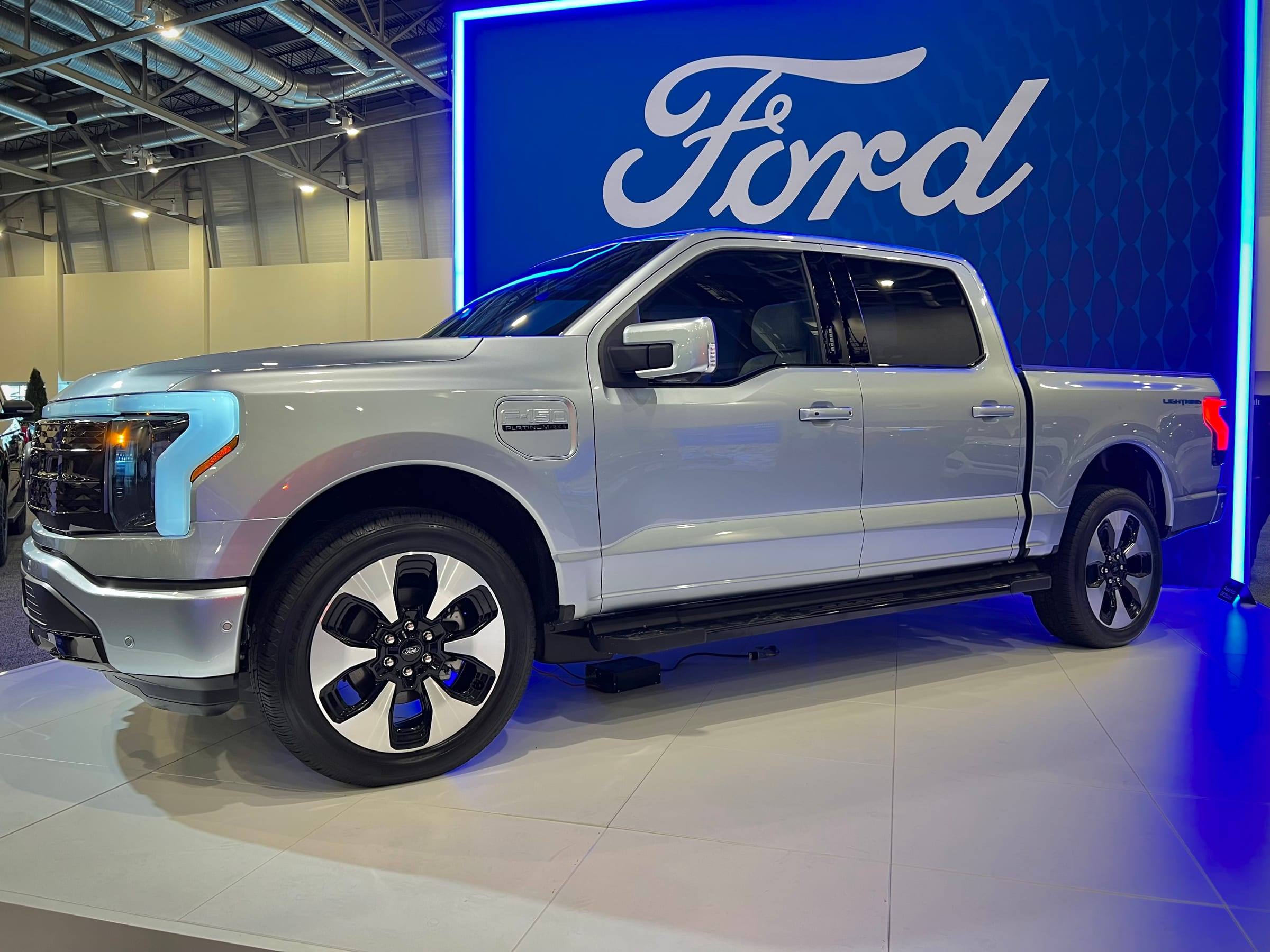

Could an electric truck have kept a home running through PG&E's October shutoff?
The short answer. On paper, yes. Ford's backup claim for the extended-range F-150 Lightning implies about 90 kWh of usable home supply, roughly five days of average Californian household use. In practice it needs specific hardware, a 9.6 kW output limit applies, and PG&E's vehicle-to-home pilot had only three residential customers in mid-2025.
What to check before relying on a vehicle for backup.
- Confirm your exact vehicle, model year and home equipment are on PG&E's eligible list; many EVs cannot export power at all.
- Budget for the transfer switch and inverter hardware, not only the car: backup does not work by plugging in a normal charger.
- Size your essential loads against the output limit, not only the battery size.
What happened in October
PG&E began a Public Safety Power Shutoff on the evening of Wednesday 14 October 2026, ahead of a dry offshore wind event forecast to last until Saturday. Its final scope covered about 88,000 customers in 29 counties, including about 5,500 Medical Baseline customers who rely on powered medical equipment. The largest group was in Calaveras County, with 10,793 customers.1,2
At the peak, 85,905 customers were without power. Crews recorded gusts of up to 67 mph and found broken equipment and branches touching lines during inspections. By 7.20 pm on Saturday 17 October, PG&E said virtually all customers had been restored. Some areas of San Luis Obispo, Santa Barbara and Kern counties were among the last.2
Before the event, a PG&E spokesperson told NBC Bay Area that customers should charge devices including electric vehicles. Madera County officials told residents to fuel vehicles and plan backup for medical equipment. PG&E opened more than 40 Community Resource Centres in 23 counties for device charging, water and Wi-Fi.3,4,1
PG&E's vehicle-to-home programme is real but tiny
PG&E runs three vehicle-to-everything pilots under California Public Utilities Commission rules: residential, commercial and microgrid. Residential customers are allowed to use an EV to back up their home during an outage. The pilot pays a $2,500 rebate towards bidirectional equipment, or $3,000 in disadvantaged communities, with further payments for interconnection paperwork and the first 250 enrolments.5
Uptake has been slow. A CPUC staff summary dated September 2025 shows PG&E aimed for 1,000 residential customers but had three as of 18 June 2025. It cites slow carmaker agreements, the high cost of bidirectional chargers and limited availability of compatible vehicles. The commercial pilot had one customer, Zum's 74-charger electric school bus depot in Oakland.5
The eligible list is narrow. In September 2025 it covered 2022 to 2024 Ford F-150 Lightning trucks with Ford's Charge Station Pro and a Sunrun home integration system, and several 2024 and 2025 General Motors models with GM's PowerShift charger. In April 2026 PG&E and Tesla added the Cybertruck with Tesla's Powershare Gateway, offering up to $4,500 towards equipment and interconnection.5,6
PG&E has not said how many enrolled vehicles, if any, powered homes during the October shutoff. Charjin found no figure in its event updates.2
Charjin's worked example: how long would a truck last?
Ford says the extended-range F-150 Lightning, with a 131 kWh battery, can power an average US home for about three days, assuming 30 kWh a day. That implies about 90 kWh of home supply, with the rest held back. Output is limited to 9.6 kW.7
Californian homes use much less than Ford's assumption. The US Energy Information Administration puts average residential use in California at 503 kWh a month in 2024, or about 16.5 kWh a day. On that basis, 90 kWh would last about five and a half days, longer than the roughly three-day October shutoff.8,7
That average hides wide variation. A home running a well pump, electric heating or air conditioning will use more, and the 9.6 kW limit means not everything can run at once. Every kWh used for the house is also range lost for an evacuation drive, which matters in a wildfire-risk area.7
What buyers should check
Charging the car before a shutoff only helps with transport and phone charging unless the house is wired for backup. PG&E's residential pilot requires an eligible vehicle and charger pair, standard 240 V split-phase service, enrolment in its Emergency Load Reduction Program and a qualifying time-of-use rate. The CPUC summary also recommends an electrical assessment before buying equipment.5
Buyers of a new truck should note that Ford's site says the F-150 Lightning will no longer be available to order in its current form, with a new extended-range model to follow. Whether that version will offer the same home backup has not been confirmed.9
Common questions
Can any electric car power my house during a PG&E shutoff?
No. The vehicle must support bidirectional power, and the home needs approved equipment, typically a bidirectional charger and a transfer switch that isolates the house from the grid. PG&E's pilot lists specific vehicle and charger pairs.
How much does PG&E pay towards vehicle-to-home equipment?
The residential pilot offers a $2,500 rebate, or $3,000 in disadvantaged communities, plus smaller payments for interconnection and early enrolment. The Tesla Cybertruck route announced in April 2026 offers up to $4,500 towards equipment and interconnection.
How long can an electric pickup run a home?
Ford claims about three days for an extended-range F-150 Lightning at 30 kWh a day. An average Californian home uses about 16.5 kWh a day, so the same energy would last about five and a half days, but heavy loads shorten that and output is capped at 9.6 kW.
Evidence register
The material behind the conclusion. Bracketed numbers in the text point here.
- 01
primary accessed 18 October 2026
PG&E Corporation. Scope, timing, Medical Baseline count and resource centres for the October 2026 shutoff.
- 02
primary accessed 18 October 2026
PSPS Underway: PG&E Turning Off Power for Safety
PG&E Currents. Event updates including peak customers affected, wind gusts, damage found and restoration on 17 October 2026.
- 03
reference accessed 18 October 2026
PG&E warns Bay Area customers of possible power shutoffs
NBC Bay Area. PG&E spokesperson's advice to charge electric vehicles before the event.
- 04
reference accessed 18 October 2026
PG&E Power Shutoff Could Impact 6 Madera County Communities Through Saturday
GV Wire. County advice to residents on vehicles and medical equipment.
- 05
primary accessed 18 October 2026
PG&E Vehicle-to-Everything Pilots
California Public Utilities Commission. CPUC staff summary of pilot incentives, eligibility, eligible products and participant numbers as of June and September 2025.
- 06
primary accessed 18 October 2026
PG&E and Tesla Turn Cybertruck into a Grid Asset
PG&E and Tesla (PR Newswire release). April 2026 approval of the Cybertruck for PG&E's residential V2X programme and incentive of up to $4,500.
- 07
reference accessed 18 October 2026
Ford F-150 Lightning truck can use 131-kWh battery as home backup power
Solar Power World. Ford's claims for backup duration, the 30 kWh a day assumption, 9.6 kW output and required equipment.
- 08
data accessed 18 October 2026
Table 5.a Residential average monthly bill by Census Division and State, 2024
U.S. Energy Information Administration. California average residential consumption of 503 kWh a month in 2024.
- 09
manufacturer accessed 18 October 2026
Ford Motor Company. Ford states the current F-150 Lightning will no longer be available to order and a new extended-range model will follow.
No corrections recorded. Last checked 18 October 2026.