ReportClean energy and the grid
CoServ and Base Power raise their North Texas home-battery target to 450 MW. What a 39.2 kWh backup battery costs a member, and what solar owners give up
The Denton County co-op and Base Power say 75 MW of batteries are already in members' homes and the programme will grow to 450 MW. For now a member can get a 39.2 kWh battery fitted for $345 with no monthly fee, but the co-op controls it and solar exports are credited differently.
By Charjin Editorial Desk4 minutes10 sources

Is the CoServ and Base Power battery offer worth taking for a North Texas household?
The short answer. For backup alone it is cheap: founding members pay $345 to have a 39.2 kWh battery fitted and no monthly fee, against $695 plus $19 a month at the standard price. In exchange CoServ decides when the battery charges and discharges, and members with solar move to a credit scheme that pays more per exported kWh but stops at their usage for the month.
What a CoServ member should know
- CoServ and Base Power announced on 10 November that the programme will grow from a 100 MW plan to 450 MW; 75 MW is installed and the fleet has been adding about 10 MW a month.
- Founding members pay $345 and $0 a month for a 39.2 kWh Base Core; the standard terms after the offer are $695 and $19 a month, so ten years at standard terms cost $2,975.
- Your energy rate per kWh does not change, and CoServ pays a $12.50 monthly credit per battery to cover charging losses.
- Solar owners move from 8.43¢ buyback credits to retail-rate credits capped at their monthly usage, with nothing carried forward.
- Contract length, moving terms and how often the co-op will dispatch the battery are not published on the programme page.
What changed
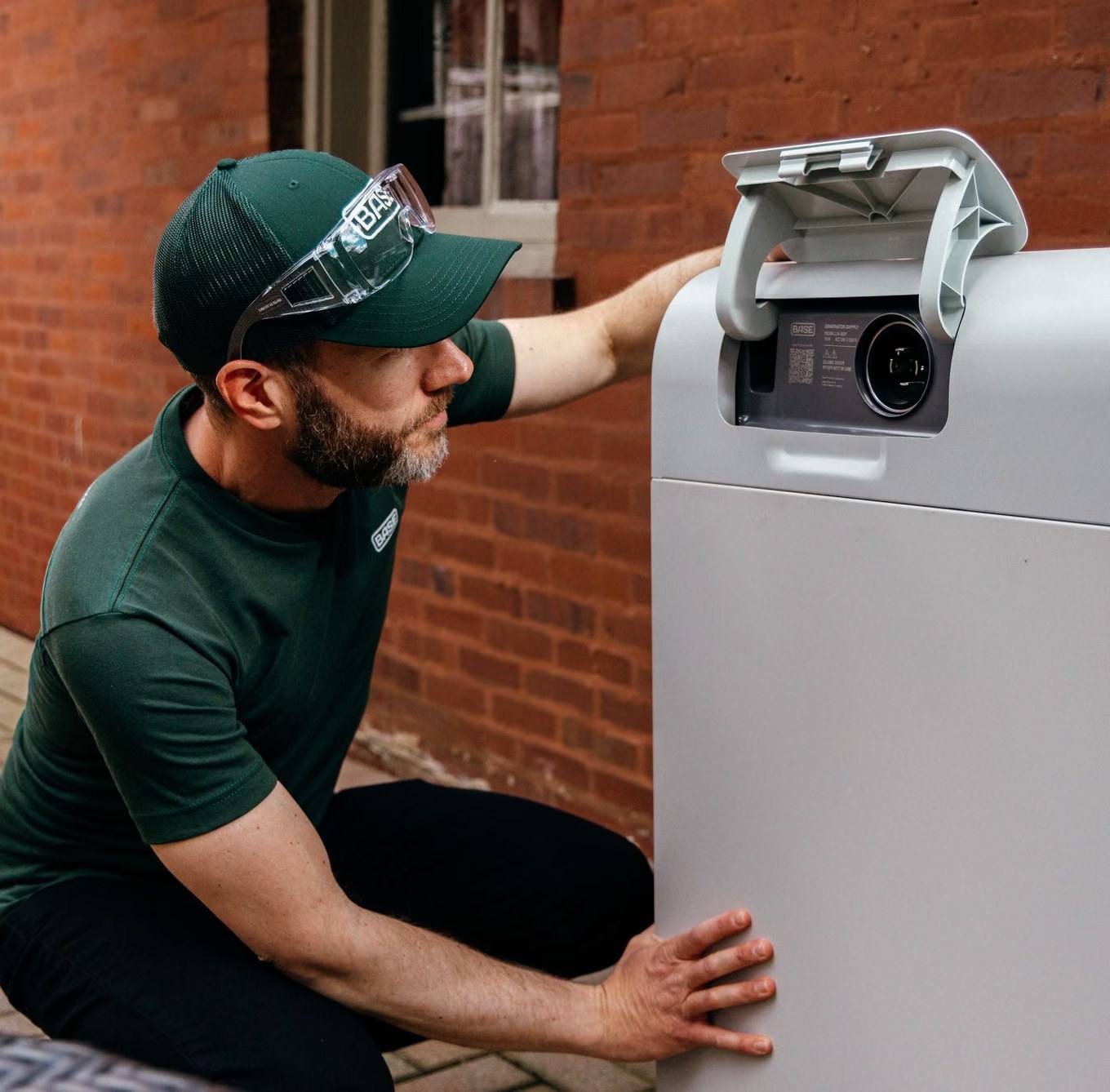
Denton County Electric Cooperative, which trades as CoServ, and the Austin company Base Power said on 10 November that their residential battery programme will expand to 450 MW. Base has installed 75 MW of batteries in members' homes since the programme started in March, and says the fleet has been growing by about 10 MW a month. Base installs and maintains every battery, while CoServ controls when the fleet charges and discharges.1,7
The March launch was for 100 MW, aimed at roughly 5,000 homes, and at the time it was Base's largest utility deal. CoServ serves more than 330,000 electric meters across eight counties north of Dallas. Neither company has given a date for reaching 450 MW; at the stated pace of about 10 MW a month, the remaining 375 MW would take a little over three years, which is Charjin's arithmetic and not a company forecast.1,5,8,9
What a member pays for backup
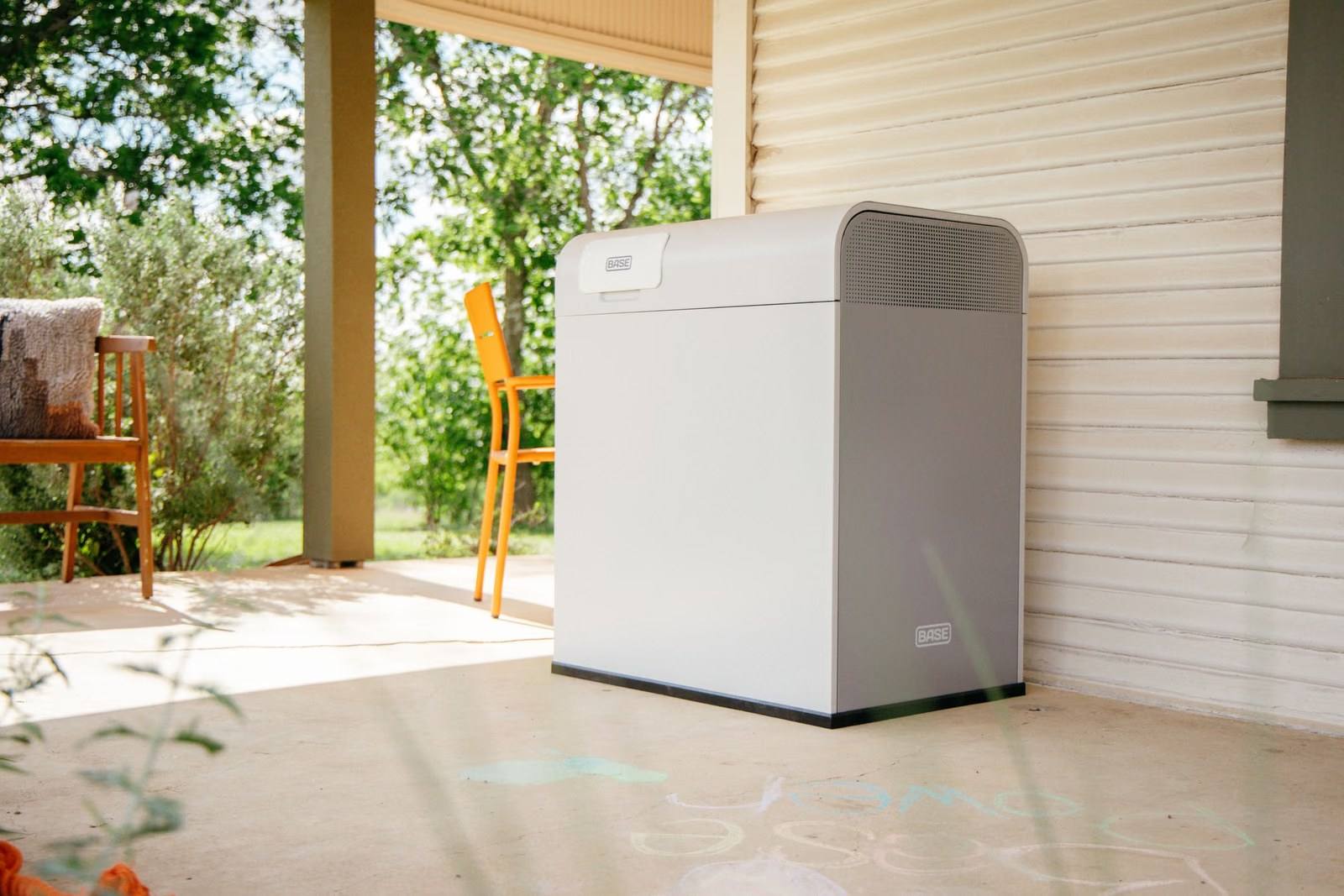
The current founding member offer is a single 39.2 kWh Base Core fitted for $345, with the $19 monthly membership waived for the life of the battery. When the founding places are filled, the standard terms are $695 to install and $19 a month. A $50 deposit counts towards installation and is refunded if the home does not qualify. Fees go to Base, not on the CoServ bill.2,4
Over ten years the founding offer costs $345 in total, or about $8.80 per kWh of battery capacity. At standard terms the same ten years cost $2,975. In March Canary Media put the open-market price of a comparable home battery at $15,000 to $20,000, and a household buying one outright in 2026 can no longer claim the federal 30% residential clean energy credit, which ended for property placed in service after 31 December 2025.2,4,6,9
Base says the Core can run a home for up to 36 hours if consumption is reduced, and that it has a port for recharging from a generator. CoServ warns that backup may be shorter if an outage follows soon after a grid support event, and that air conditioning use makes a big difference.2,4,10
What happens to the monthly bill
Joining moves an account to CoServ's Reliability Plus rate, but the price per kWh stays the same as the standard residential rate: 11.4781¢ a kWh in November, plus a $15 monthly customer charge. Members pay only for the energy their home uses. CoServ adds a Reliability Plus Participation Credit of $12.50 a month per battery to cover round-trip losses, which it puts at about 10%.2,3
At the November rate, $12.50 pays for about 109 kWh. CoServ does not publish how much energy a battery cycles in a typical month, so Charjin cannot say whether the credit leaves a member ahead or simply covers the losses. The Base app and the CoServ meter measure energy at different points, so their figures may not match.2,3
Why solar owners should do the sums first
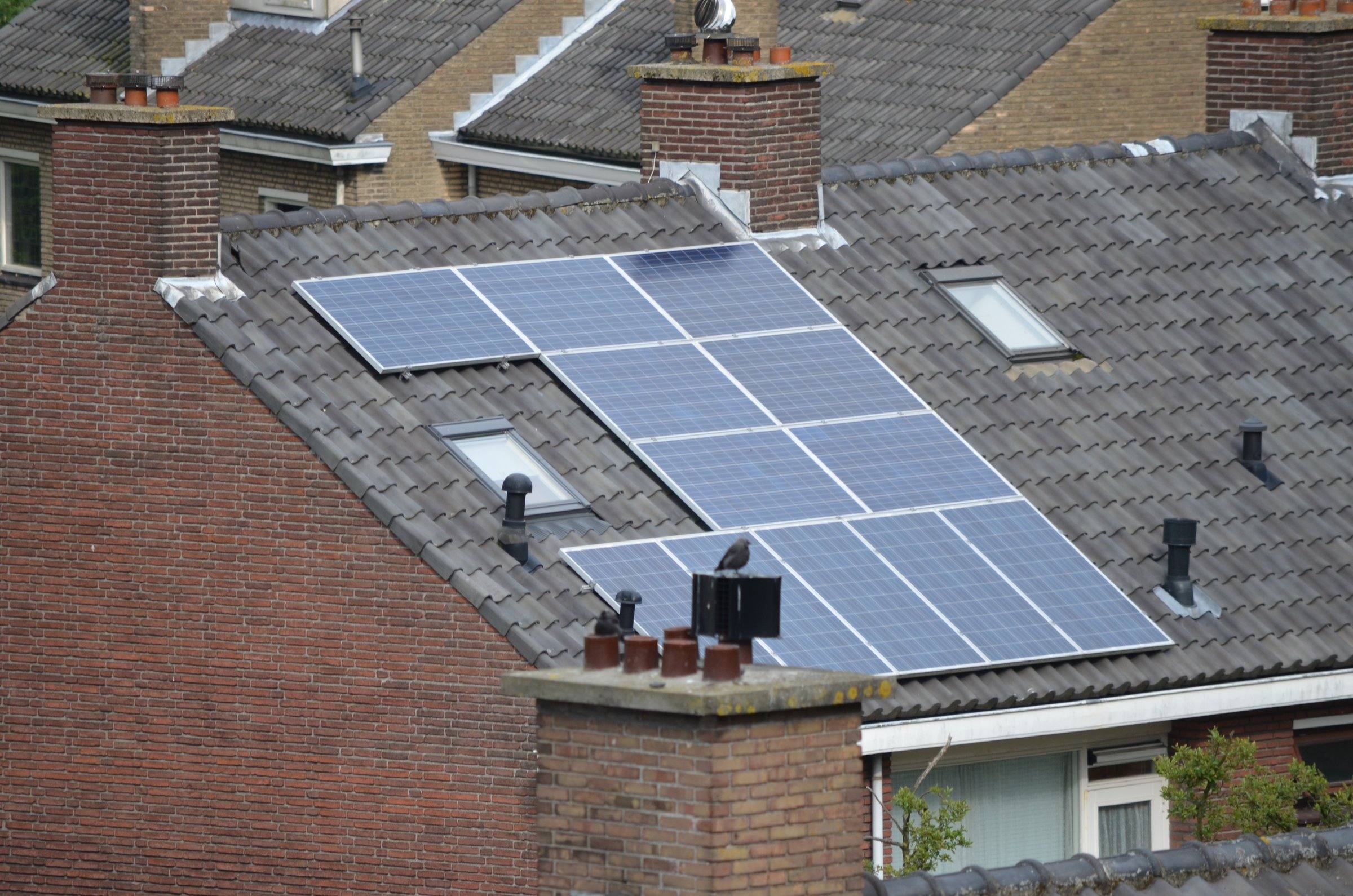
Members on DG with Buyback are switched to DG with Reliability Plus. Under buyback, exported energy is credited at 8.43¢ a kWh in November. Under the new rate it is credited at the retail rate, 11.4781¢, but only up to the member's usage for the billing period, and unused credit does not carry forward. Both solar rates carry a $25 monthly customer charge.2,3
In a month when a home exports 400 kWh and draws more than that from the grid, the credit rises from $33.72 to $45.91. In a sunny spring month when exports exceed usage, every kWh above usage earns nothing, where buyback would have paid 8.43¢ for it. Base also controls charging and often charges from the grid off-peak, so a member's panels may not be what fills the battery.2,3,5
What is still unknown and what to check
The CoServ programme page does not state the contract length, what happens if you sell the house, or how often CoServ will dispatch the battery. In March pv magazine USA reported that in Base's existing programmes the utility can use 80% of capacity and at least 20% stays reserved for backup; CoServ has not published that split for the Core. Members in Lantana and on nonstandard metering are not eligible, and HOA rules may apply.2,8
Ask Base for the membership terms in writing before paying the deposit, and ask CoServ how many hours a year the fleet has been dispatched since March. Solar owners should compare a year of their own export and usage figures under both credit methods.2,4
Common questions
Do I own the battery?
No. Base installs, owns and maintains it, and CoServ controls when it charges and discharges. The programme page does not say what happens when you move.
Does my price per kWh go up?
No. Reliability Plus uses the same 11.4781¢ a kWh as the standard residential rate in November, and adds a $12.50 monthly credit per battery for charging losses.
How long will the founding offer last?
CoServ says it runs until all founding places are filled, and does not publish how many there are. After that the price is $695 to install and $19 a month.
Evidence register
The material behind the conclusion. Bracketed numbers in the text point here.
- 01
primary accessed 13 November 2026
CoServ and Base Power Expand Residential Battery Program to 450 MW
CoServ. CoServ's 10 November release on the 450 MW expansion, the 75 MW installed since March, growth of about 10 MW a month and the split of roles.
- 02
primary accessed 13 November 2026
CoServ. CoServ's programme page with eligibility, founding and standard prices, the deposit, the $12.50 participation credit, the solar credit change, charging control and backup caveats.
- 03
data accessed 13 November 2026
CoServ. CoServ's November residential tariffs: 11.4781¢ a kWh, $15 and $25 customer charges, the 8.43¢ received-energy credit and the Reliability Plus rates.
- 04
manufacturer accessed 13 November 2026
CoServ home backup | Base Power
Base Power. Base's CoServ offer page: 39.2 kWh Base Core for $345 instead of $695, the waived $19 monthly fee, up to 36 hours of backup and the generator recharge port.
- 05
primary accessed 13 November 2026
CoServ and Base Power Launch 100 MW Residential Storage Program
CoServ. CoServ's March 2026 launch release: 100 MW, more than 330,000 electric meters in eight counties, and how the fleet is dispatched and charged.
- 06
primary accessed 13 November 2026
Residential Clean Energy Credit
Internal Revenue Service. IRS page confirming battery storage qualified and that the credit is not available for property placed in service after 31 December 2025.
- 07
reference accessed 13 November 2026
Base Power Expands Residential Battery Program At Utility To 450 MW
Energy Choice Matters. Independent trade report of the 10 November expansion, the 75 MW installed and the 10 MW monthly growth.
- 08
reference accessed 13 November 2026
Base Power announces 100 MW residential storage program with CoServ in Texas
pv magazine USA. March report on the launch: about 5,000 homes, Base's largest utility deal, and the 80% utility access and 20% backup reserve in Base's existing programmes.
- 09
reference accessed 13 November 2026
Base Power to launch 100-MW home battery network for Texas utility
Canary Media. March report giving the original $695 and $19 terms, the 5,000-home target and an open-market price of $15,000 to $20,000 for a comparable battery.
- 10
reference accessed 13 November 2026
Base Power launches 39.2 kWh US-made home battery
ESS News. August report on the Base Core: 39.2 kWh, an estimated 36 hours of backup, a generator port, and production at Base's Austin factory.
No corrections recorded. Last checked 13 November 2026.