AnalysisHybrids and plug-in hybrids
The plug-in hybrid question is really a charging-habit question
Long electric range changes what a plug-in hybrid can do. Regular charging changes what it actually uses.
By Charjin Editorial Desk7 minutes5 sources
_(54710883497).jpg)
Who should choose a PHEV?
The short answer. A plug-in hybrid makes sense when dependable charging is already part of the week and most routine journeys fit inside its useful electric range. If charging will be occasional, a conventional hybrid is usually the simpler and more honest choice.
Three checks before the shortlist.
- Count reliable charging days before comparing electric-range claims.
- Match routine journey distance to electric range, then keep a margin for weather and road speed.
- Treat combined-range and weighted fuel figures as test references, not a prediction of your own fuel use.
Start with the week, not the badge
A plug-in hybrid carries two energy systems because it is trying to solve two different jobs. The battery and motor can handle regular local travel; the combustion engine can remove the charging stop from an occasional long journey. That flexibility is useful, but only when both parts are used deliberately.1
The first buying question is therefore practical: on how many days in a normal week can the car be connected to reliable home or workplace charging? A charger shown on a map is not the same as a routine. Access hours, parking rules, price and reliability determine whether charging will actually happen.1
If the answer is most days, continue to electric range. If the answer is rarely, compare the vehicle with a conventional hybrid before paying for a larger battery and carrying the additional hardware.
A larger battery expands the opportunity, not the guarantee
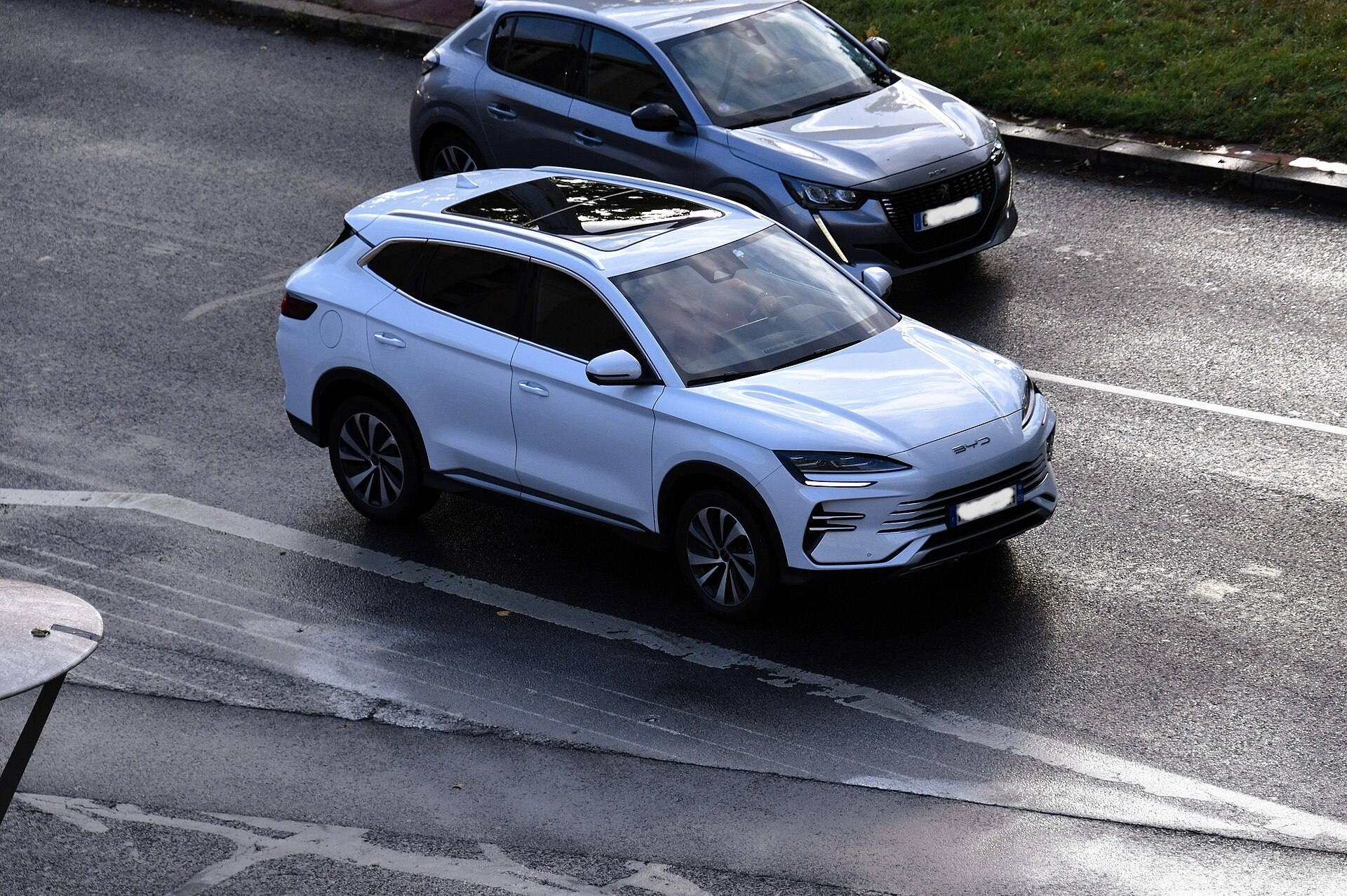
Longer electric range can make a modern plug-in hybrid meaningfully easier to use as an electric car during the week. BYD lists a 26.6 kWh battery and up to 125 km of WLTP combined electric range for the European Seal U DM-i Comfort. That is a substantial daily envelope on paper, and it is one reason value-led PHEVs deserve attention.3
The useful number is not the maximum alone. Compare the distance between charges with the longest routine day, then allow for motorway speed, temperature, climate control, load and the fact that a laboratory result is not a guaranteed road result. A 125 km rating does not mean every owner should plan a 125 km electric day.4
This is where a longer-range PHEV can offer more for the money than an older short-range design: it gives the owner more routine journeys that can plausibly remain electric. It still cannot compensate for a cable that stays in the boot.
Fleet data shows what happens when the routine breaks
European Commission data covering 320,000 plug-in hybrids first registered in 2021 found average real-world carbon dioxide emissions around 3.5 times the type-approval values. For vehicles first registered in 2022, the absolute gap remained broadly similar even as newer vehicles offered larger batteries and longer electric ranges.2
That result is a fleet average, not a verdict on every PHEV or every owner. It does show why an official weighted fuel-consumption figure can be a poor prediction for someone who seldom charges. The laboratory calculation assumes a share of electric driving; the owner has to create that share in real life.2,5
The correct response is not to dismiss every plug-in hybrid. It is to stop treating the powertrain as behaviour-proof. An owner with short daily travel and dependable charging can use the same vehicle very differently from an owner covering long distances between charges.
Use a five-question ownership test
First, where will the car charge on an ordinary night? Second, how many kilometres separate reliable charges? Third, how often does the car make a journey beyond its realistic electric range? Fourth, what does electricity cost compared with fuel in the local market? Fifth, will every regular driver plug it in?
Those answers are more useful than a combined-range headline. They also expose when a full EV would be simpler: if charging is dependable and long journeys are manageable, carrying an engine may add complexity without adding much value.
They expose the opposite case too. Where charging is uncertain, a conventional hybrid can deliver repeatable fuel savings without requiring a new routine. The less certain the charging behaviour, the less convincing the plug-in premium becomes.
The Charjin view
Charjin gives extra attention to PHEVs with useful electric range, competitive equipment and strong value because they can make electrified driving practical for buyers who are not ready for a battery-only car. The BYD Seal U DM-i is a clear example of that proposition in markets where its price, specification and support are competitive.3
That editorial preference is conditional. A plug-in hybrid earns the recommendation when charging is frequent, the local specification is verified and most ordinary travel can happen electrically. Without those conditions, the badge promises more than the ownership pattern can deliver.
Common questions
Is a plug-in hybrid worth it without home charging?
It can be, but only when dependable workplace or public charging becomes part of the normal week. If charging will be occasional, a conventional hybrid is usually the simpler choice because its fuel-saving behaviour does not depend on plugging in.
How often should a plug-in hybrid be charged?
Charge often enough that most routine journeys begin with useful battery range. For many owners that means most days. The less frequently the vehicle is charged, the more its real fuel use can diverge from the weighted laboratory figure.
Can the official PHEV fuel-economy figure predict my fuel use?
Not by itself. The official figure assumes a particular share of electric driving. Journey length, charging frequency, road speed, climate, and driver behaviour determine whether an owner creates a similar electric-driving share in practice.
Evidence register
The material behind the conclusion. Bracketed numbers in the text point here.
- 01
primary accessed 10 August 2026
Plug-In Hybrid Electric Vehicles
U.S. Department of Energy, Alternative Fuels Data Center. Powertrain operation, charging behaviour and the relationship between electric driving and fuel use.
- 02
primary accessed 10 August 2026
Real-world CO2 emissions and fuel consumption of cars and vans collected in 2022
European Commission, Directorate-General for Climate Action. Fleet-level real-world and type-approval emissions comparison for plug-in hybrids.
- 03
manufacturer accessed 10 August 2026
BYD Seal U DM-i Comfort model information
BYD Europe. European battery capacity and WLTP electric-range claims for the Comfort version.
- 04
manufacturer accessed 10 August 2026
Seal U DM-i range calculator and limitations
BYD Europe. Manufacturer explanation of variables that change real-world electric range.
- 05
research accessed 10 August 2026
Real-world usage of plug-in hybrid vehicles in Europe
International Council on Clean Transportation. Independent research on charging frequency, electric driving share and real-world fuel use.
No corrections recorded. Last checked August 10, 2026.