ReportHybrids and plug-in hybrids
Plug-in hybrids took a record 17% of UK new car sales in September
Official SMMT figures show plug-in hybrid registrations up 55.5% in the September plate-change month, while conventional hybrids slipped. Buyers joining the trend should factor in the pay-per-mile charge that reaches plug-in hybrids from April 2028.
By Charjin Editorial Desk3 minutes9 sources

What changed in the UK hybrid market in September 2026?
The short answer. Plug-in hybrids reached a record 59,571 registrations and a 17.0% share of the UK market, up from 12.2% a year earlier, while conventional hybrids fell 4.3% to a 13.1% share. For buyers, a plug-in hybrid still pays off mainly when it is charged often, and from April 2028 it will also carry a mileage charge of 1.5p a mile.
What the September figures mean for a UK buyer.
- Plug-in hybrids have taken 14.07% of the UK market so far in 2026, ahead of conventional hybrids at 13.81%.
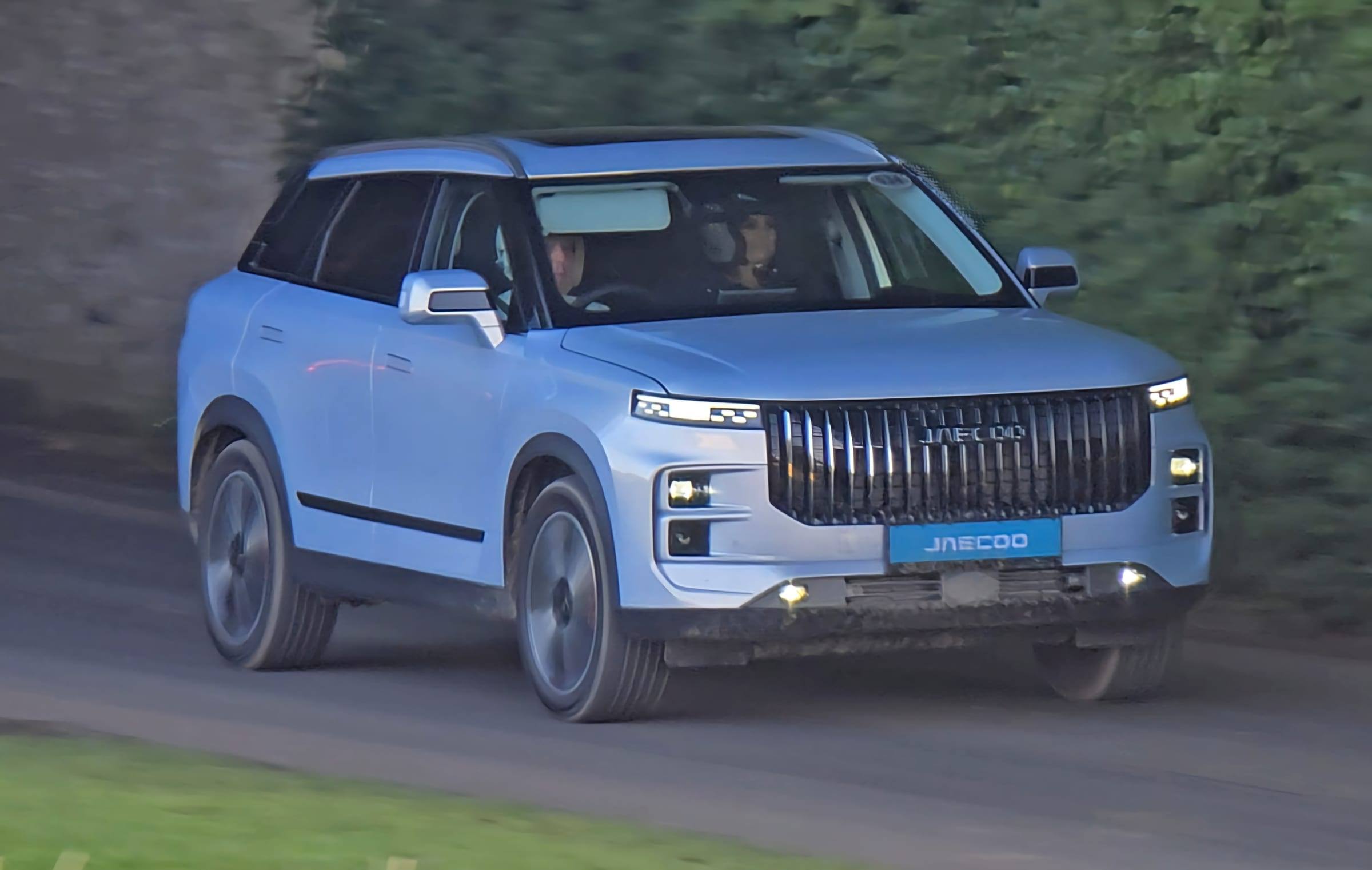
- The best-selling car of the month, the Jaecoo 7, is sold as petrol, self-charging hybrid and plug-in hybrid; the maker says plug-in hybrids made up 55.7% of its two brands' September registrations.
- From 1 April 2028, plug-in hybrid keepers will pay Electric Vehicle Excise Duty of 1.5p per mile, collected alongside standard road tax.
The September numbers
The Society of Motor Manufacturers and Traders (SMMT) recorded 350,536 new car registrations in September 2026, up 12.0% on a year earlier. Plug-in hybrids rose 55.5% to 59,571, a record for both volume and share at 17.0%. Battery electric cars took 28.3% and petrol 37.6%.1,2
Conventional hybrids moved the other way, falling 4.3% to 45,839 and from a 15.3% to a 13.1% share. Over the first nine months, plug-in hybrids are up 41.8% to 244,769, or 14.07% of the market, just ahead of conventional hybrids at 13.81%. Electrified cars of all kinds took a record 58.4% in September.1,2,3,4
SMMT's preliminary release on 2 October gave slightly different totals, such as a 55.7% plug-in hybrid rise. The figures here are the final ones published on 5 October.2,3,9
Why plug-in hybrids are growing
SMMT does not give a single cause for the plug-in hybrid jump. It credits electrified growth in general to wider model choice, manufacturer discounts and government incentives, notes that more than 110 plug-in hybrid models are on sale, and says high fuel prices are giving more people reason to consider electric cars.2
Chinese brands are a visible part of the story. The Jaecoo 7 was the UK's best-selling car in September with 10,813 registrations. Its maker says 55.7% of OMODA and JAECOO's 22,296 September registrations were plug-in hybrids, which suggests but does not prove that the plug-in version led the Jaecoo 7's sales.2,4,5
Company buyers also matter. Fleet registrations made up 54.5% of the September market, and UK company car tax currently treats many recent plug-in hybrids generously, as the next section explains.2,7
What a buyer pays from 2028
From 1 April 2028, Electric Vehicle Excise Duty will charge 3p per mile for battery electric cars and 1.5p per mile for plug-in hybrids, rising with inflation from 2029. Drivers will estimate their mileage when they renew road tax, with MOT readings used as a check, and pay upfront or in instalments.6
Take the Jaecoo 7 SHS-P, listed at £35,170 on the road with a 56-mile WLTP electric range and a 60-litre fuel tank. At the 6,000 miles a year used in Jaecoo's own finance example, the charge would be £90 a year at 2028 rates; at 10,000 miles, £150. A battery electric car covering 10,000 miles would pay £300.5,6
That 60-litre tank is four times the 15-litre limit that Transport & Environment this week proposed for plug-in hybrids that qualify for incentives in Europe. A large tank makes it easy to run on petrol for long periods, and the per-mile charge is based on total mileage, electric or not.5,6,8
Company car drivers and what to check
HMRC's temporary easement treats eligible plug-in hybrids as emitting 1 gCO2/km for benefit-in-kind tax, so the charge depends on electric range instead. It covers cars first registered from 1 January 2025 with a CO2 figure of 51 g/km or more under the newer emissions standards, and runs to 5 April 2028, with existing arrangements protected until 5 April 2031 at the latest.7
The government introduced it because new EU and UN test standards from 2025 give plug-in hybrids higher official CO2 figures. Before signing, company drivers should confirm whether a car qualifies and what happens when a lease is renewed after April 2028.7
The wider policy picture is also moving. The zero emission vehicle mandate requires a 33% electric share in 2026 against 26.2% so far, and SMMT wants it reviewed. Auto Express reports that the government has hinted at relaxing parts of it while keeping the 2035 deadline for hybrids. A private buyer who can charge at home will get the most from a plug-in hybrid; one who cannot should compare it with a conventional hybrid.2,3,4
Common questions
Are the September figures final?
Yes. SMMT published final September figures on 5 October 2026, slightly revising the preliminary release from 2 October.
Do plug-in hybrids pay the new mileage charge on petrol miles too?
The charge is based on total estimated mileage, checked against odometer and MOT readings, so it does not distinguish electric from petrol miles. The plug-in hybrid rate is 1.5p a mile from 1 April 2028.
Does the company car tax easement apply to every plug-in hybrid?
No. It covers cars first registered from 1 January 2025 with an official CO2 figure of 51 g/km or more under the newer emissions standards. Check eligibility with your employer or leasing company.
Evidence register
The material behind the conclusion. Bracketed numbers in the text point here.
- 01
data accessed 18 October 2026
UK new car registration data: September 2026 and year to date by fuel type
SMMT. Final September and year-to-date registrations by fuel type and the top ten models.
- 02
primary accessed 18 October 2026
Record electric car market powers bumper September
SMMT. SMMT's release with fuel-type tables, the 58.4% electrified share, model count, fleet share and mandate comments.
- 03
reference accessed 18 October 2026
UK posts strongest-ever month for BEV registrations in September
electrive. Independent report of the preliminary figures, including the 55.7% plug-in hybrid rise and 33% mandate target.
- 04
reference accessed 18 October 2026
Jaecoo 7 leads charge as September sees best new car sales in almost a decade
Auto Express. Independent report confirming the Jaecoo 7's lead and government signals on the mandate and 2035 hybrid deadline.
- 05
manufacturer accessed 18 October 2026
OMODA & JAECOO UK. Maker's figures for September registrations and powertrain mix, plus the SHS-P price, WLTP electric range and fuel tank capacity.
- 06
primary accessed 18 October 2026
Electric Vehicle Excise Duty (eVED)
HM Treasury / GOV.UK. Policy paper of 13 July 2026 setting 1.5p per mile for plug-in hybrids from 1 April 2028 and how mileage is estimated and checked.
- 07
primary accessed 18 October 2026
Plug-in hybrid electric vehicles benefits in kind easement
HM Revenue & Customs / GOV.UK. HMRC policy paper of 26 November 2025 setting the deemed 1 g/km CO2 figure, eligibility and dates.
- 08
research accessed 18 October 2026
Still smoking: the PHEV emissions scandal continues (October 2026)
Transport & Environment. Source of the proposed 15-litre maximum fuel tank for incentivised plug-in hybrids.
- 09
reference accessed 18 October 2026
Almost five EVs appear per minute on UK roads
Renewable Energy Magazine. Independent report of SMMT's preliminary September plug-in hybrid and hybrid shares.
No corrections recorded. Last checked 18 October 2026.