ReportE-bikes and micromobility
New York's battery-fire deaths climb back to at least nine in 2026. What e-bike owners must check before the 20 November hearing
After one death in 2025, New York City has recorded at least nine lithium-ion battery fire deaths this year, and the City Council meets on 20 November to review its rules. The sales and certification law is already in force; how riders charge and store batteries is the part that is still up to them.
By Charjin Editorial Desk4 minutes10 sources
I ride an e-bike in New York City. What has changed, and what should I do now?
The short answer. No new rule has been passed yet: the City Council holds an emergency oversight hearing on 20 November after battery-fire deaths rose to at least nine this year, against one in 2025. The certification law has applied since September 2023, so check that your bike and battery carry a UL 2849 or UL 2271 mark from an accredited lab, and follow the FDNY's advice to charge outside where possible, never overnight, and away from exits.
What New York riders need to know
- The FDNY counted 406 battery fires in 2026 up to early November, against 241 over the same period of 2025, and nine deaths, according to the City Council.
- Deaths had fallen from 18 in 2023 to six in 2024 and one in 2025 before rising again this year.
- Since September 2023, e-bikes, e-scooters and their batteries sold, leased or rented in the city must be certified to UL 2849, UL 2272 or UL 2271; sellers face fines of up to $2,000 per device type.
- The cause of the six-death Sunset Park fire is still under investigation, so this year's final toll is not settled.
What happened
On 6 November, Council Speaker Julie Menin called an emergency joint oversight hearing for 20 November on residential fires and lithium-ion battery storage. It will be led by Menin with Joann Ariola, who chairs the fire committee, and Pierina Sanchez, who chairs the housing and buildings committee. The hearing will look at whether existing laws are enforced, how well the public is taught safe storage, and whether new legislation is needed.1
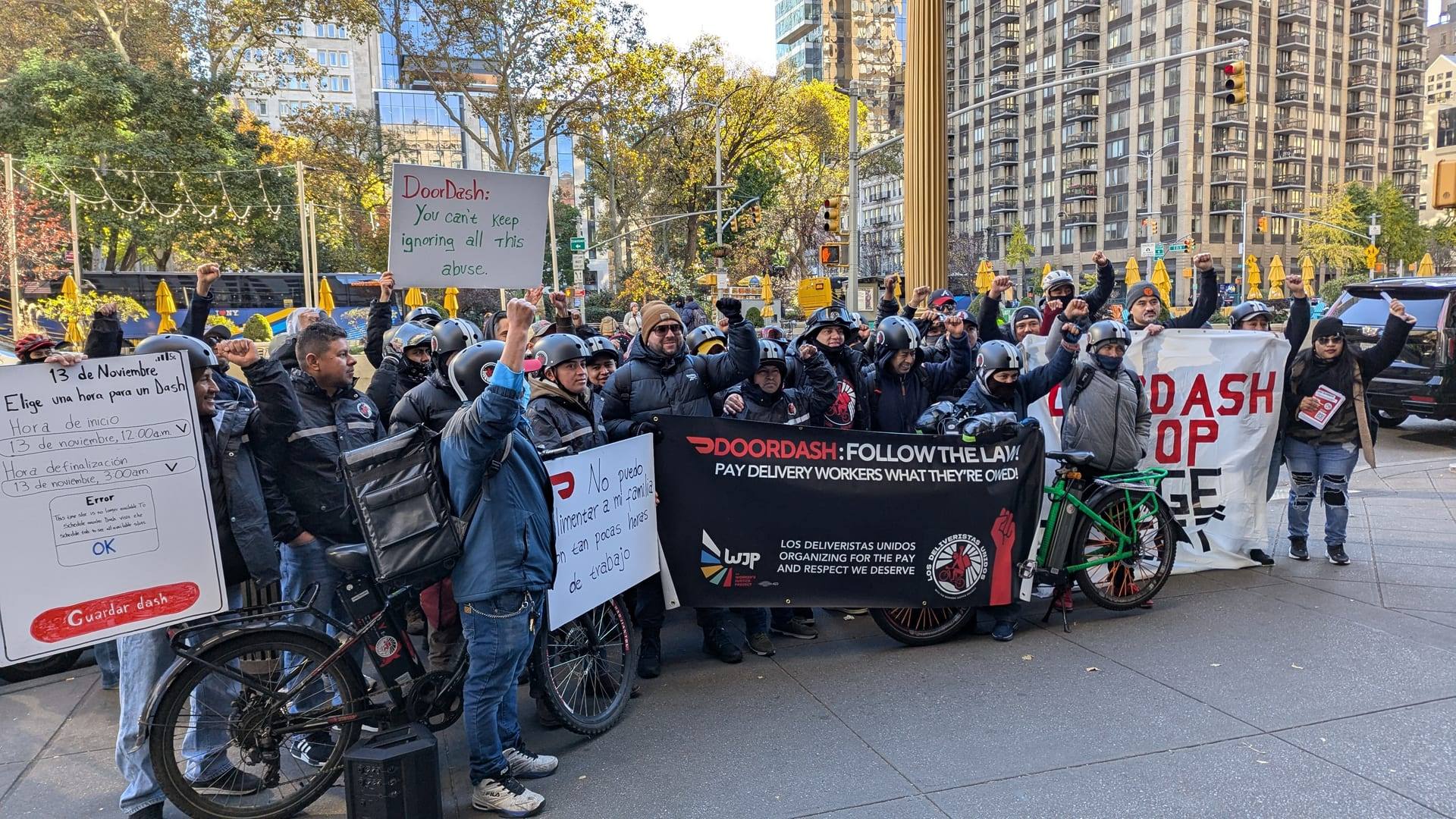
Two fires prompted it. On 28 October, four members of one family, including an 11-year-old boy, died in a Bronx apartment fire that the Council attributes to an e-bike battery. Eight days later, on 5 November, a row-house fire in Sunset Park, Brooklyn, killed six people. Two lithium-ion batteries were found in the house, but fire marshals have not said whether they started the fire.1,7,8
What the numbers count
The headline figures come from the FDNY but have been quoted at different dates, so they do not match. On 30 October the FDNY gave 401 battery-caused fires, 74 injuries and six deaths for 2026. The Council's 6 November release, citing the FDNY, gave 406 fires against 241 over the same period of 2025, with nine deaths and 70 injuries. The New York Daily News, also citing the FDNY, reported ten deaths on 8 November.1,3,7
Set against earlier years, the reversal is plain. Battery-fire deaths were 18 in 2023, six in 2024 and one in 2025. The first death of 2026 came from a 26 June basement fire in Queens, where a battery charging in the kitchen blocked the way out; the man escaped through a window but later died.2,6,7,10
Much of the rise is outside homes. By mid-year the FDNY had investigated 235 battery fires against 138 a year earlier, and non-structural fires nearly tripled. By early November Streetsblog counted 252 non-structural battery fires against 100, and the Sanitation Department recorded 87 battery fires in rubbish trucks by mid-October, more than its total for all of 2025. FDNY officials have linked part of this to batteries reaching the end of their life.8,10
The rules already in force
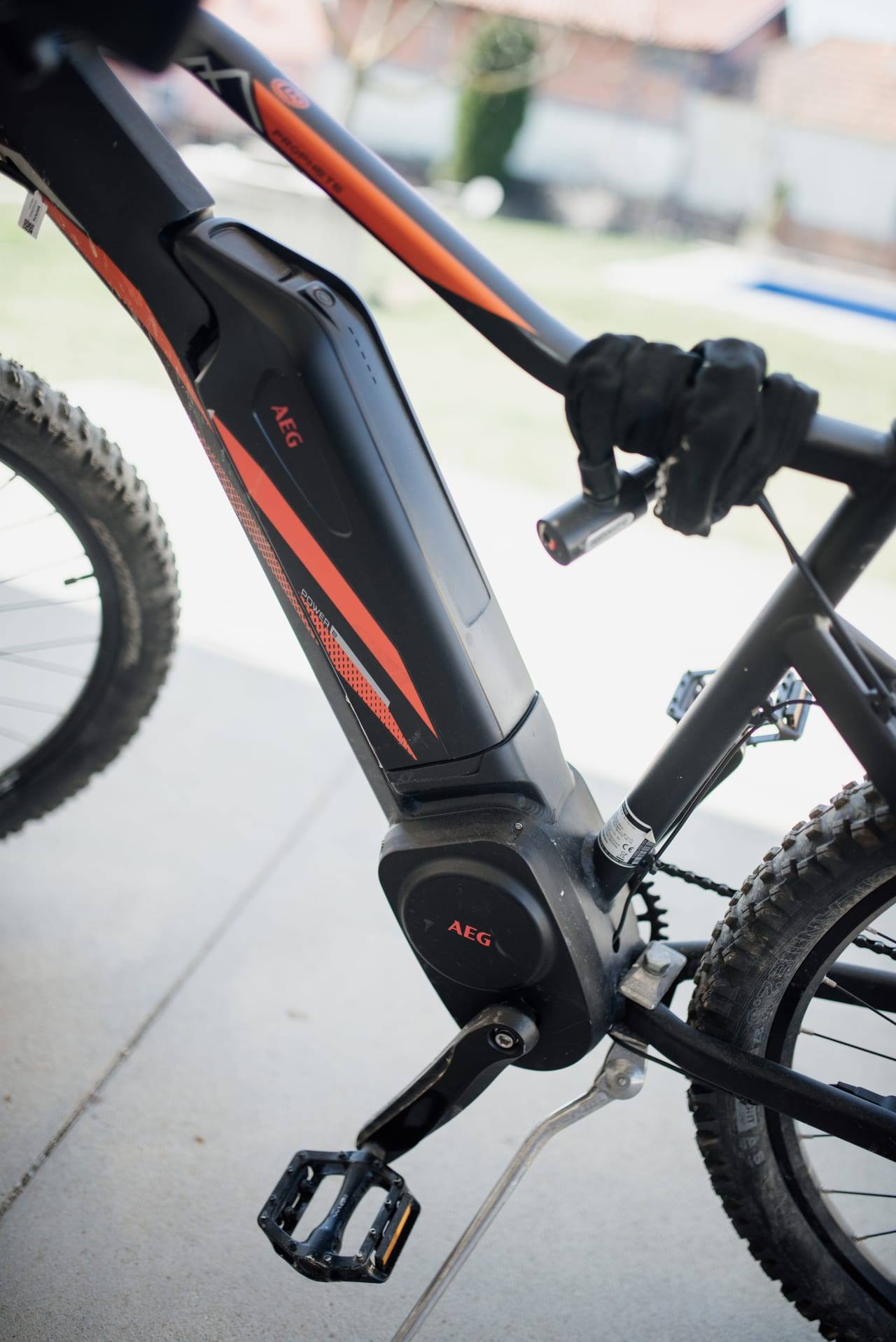
Local Law 39 of 2023, in force since September 2023, bars the sale, lease or rental of e-bikes, e-scooters and their batteries without certification from an accredited lab. E-bikes must meet UL 2849, other devices such as e-scooters UL 2272, and separate batteries UL 2271. Since 2024, sellers must show the lab's certification mark on the device, its packaging or its paperwork, online sellers must post it on product pages, and fines reach $2,000 per device type.1,4
A separate 2023 law restricts selling batteries rebuilt from used cells. The FDNY's task force inspected more than 200 shops across the five boroughs in August and September 2026, issuing 136 violations and 77 summonses. Uncertified batteries are still easy to find online and through private sales, Streetsblog reports.1,8,9
Charging and storage
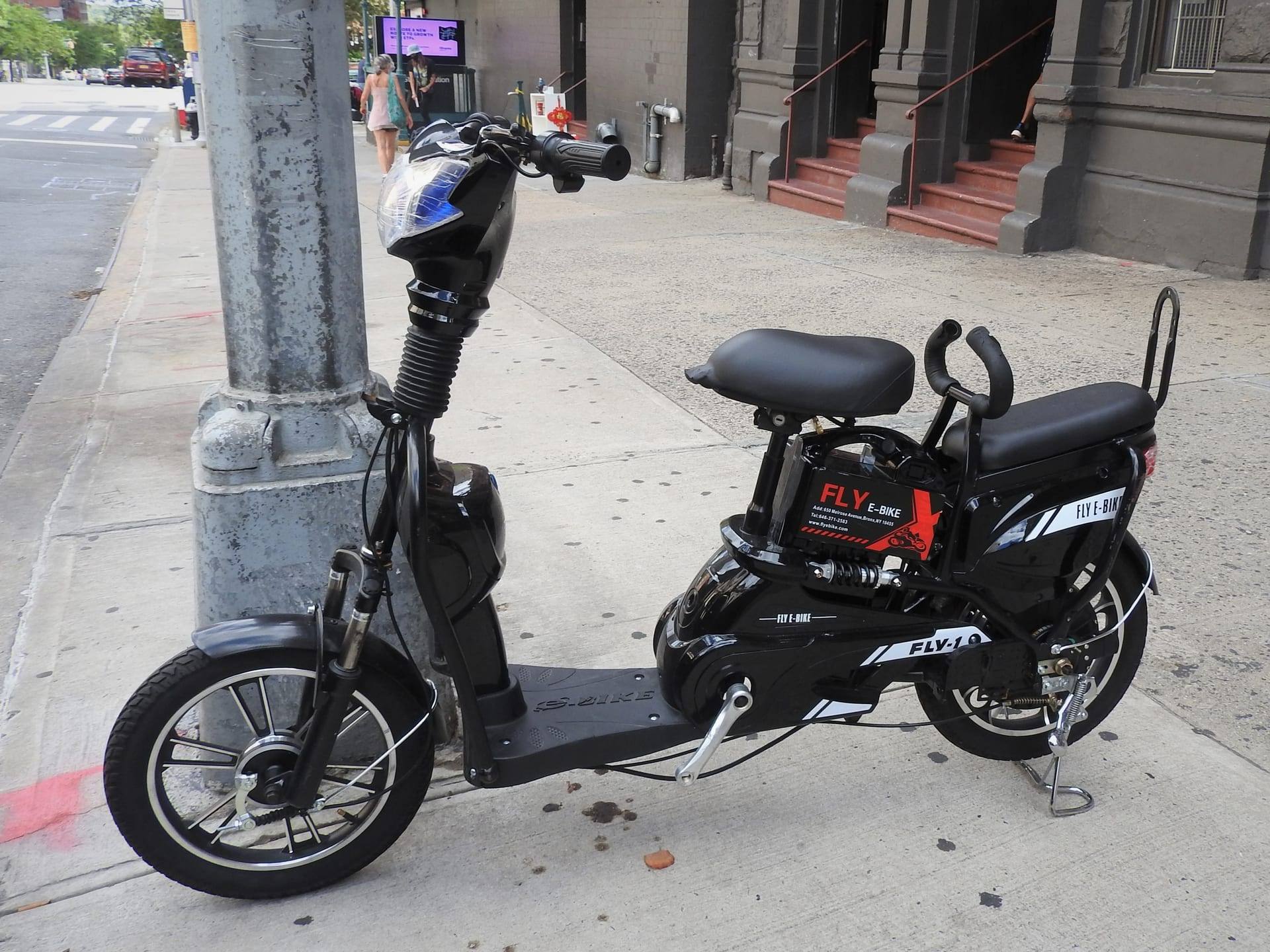
The FDNY's advice is short: charge and store batteries outside where possible, never leave them charging unattended or overnight, never block an exit, and do not use damaged or mismatched batteries or chargers. FDNY data for 2023 showed that 59% of battery fires started when the battery was not charging, so where a battery is stored matters as much as how it is charged.2,3,5
Outdoor charging is still scarce. Rules allowing battery-swapping and charging cabinets on pavements took effect in February 2025, but no permits had been approved by October 2026. A trade-in programme that swaps uncertified e-bikes used by food delivery workers for certified bikes and batteries began in June 2025, but it is aimed at those workers only.5,6,8
What to check, and what is still unknown
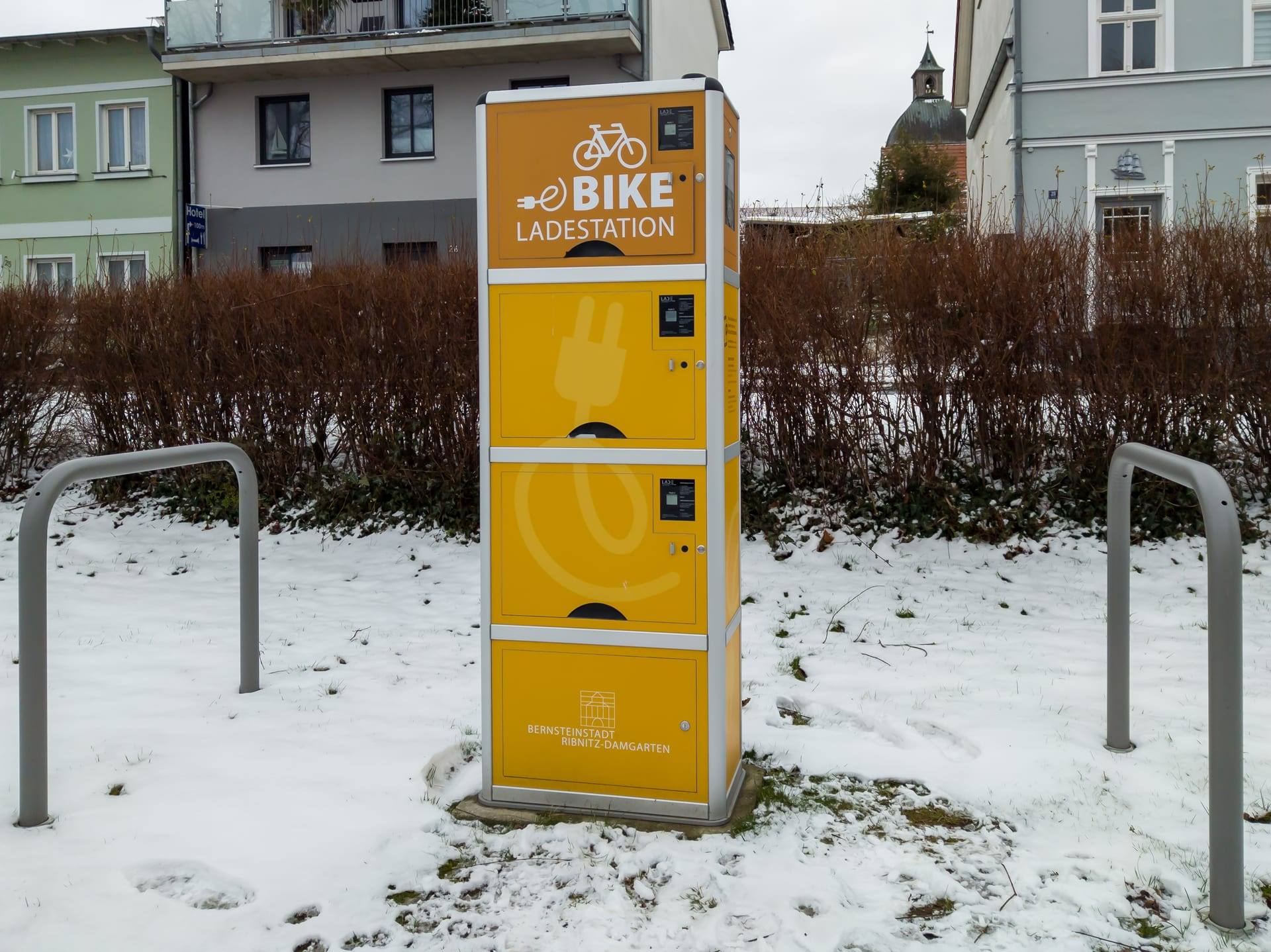
Look for a UL 2849 mark on an e-bike, UL 2272 on an e-scooter and UL 2271 on a spare battery, with the name or logo of an accredited lab. Replace a battery that looks or smells odd, leaks, gets very hot while charging or no longer holds charge: those are the warning signs the FDNY lists.4,10
Three things are open. The fire marshals' ruling on Sunset Park will decide whether this year's toll is nine, ten or higher. The Council has not published a bill, so any new duty on landlords, retailers or riders is unknown. And it is unclear whether pavement charging cabinets will finally be approved, after voters backed charter changes on 3 November that Streetsblog says should simplify applications.1,7,8
Common questions
Is it illegal to own an uncertified e-bike battery in New York City?
Local Law 39 bars selling, leasing or renting uncertified e-bikes, e-scooters and batteries; the city's summaries describe duties on sellers, not a ban on owning one. The FDNY still advises buying only devices certified by a recognised lab such as UL.
Did a battery cause the Sunset Park fire?
Not confirmed. Two lithium-ion batteries were found in the house, but as of 8 November fire marshals were still investigating whether they started the fire.
Can I join the e-bike trade-in programme?
The programme launched in June 2025 is for food delivery workers, who exchange uncertified bikes for certified bikes and batteries. It is not open to other riders.
Evidence register
The material behind the conclusion. Bracketed numbers in the text point here.
- 01
primary accessed 14 November 2026
New York City Council. Council release of 6 November 2026: 20 November joint hearing and its scope, 406 v 241 battery fires, nine deaths and 70 injuries per FDNY, the Bronx and Sunset Park fires, and the 2023 local laws already in force.
- 02
primary accessed 14 November 2026
FDNY shares lithium-ion battery safety tips following fatal Queens fire
FDNY (City of New York). FDNY release of 22 July 2026 on the 26 June Queens basement fire, the first lithium-ion battery death of 2026, with charging and storage advice.
- 03
primary accessed 14 November 2026
FDNY and FDNY Foundation remind New Yorkers about the ongoing dangers of lithium-ion batteries
FDNY Foundation. Joint FDNY and FDNY Foundation statement of 30 October 2026: 401 fires, 74 injuries and six deaths in 2026 so far, with five safety rules.
- 04
primary accessed 14 November 2026
NYC Department of Consumer and Worker Protection. Department of Consumer and Worker Protection release (October 2024): Local Law 39 requirements, the UL 2849, UL 2272 and UL 2271 standards, labelling duties and fines of up to $2,000 per device type.
- 05
primary accessed 14 November 2026
NYC DOT final rules to expand access to e-bike battery charging on sidewalks
NYC Department of Transportation. DOT release of 2 January 2025: sidewalk battery-swapping and charging cabinet rules from 1 February 2025, and FDNY data that 59% of 2023 battery fires started when batteries were not charging.
- 06
primary accessed 14 November 2026
FDNY (City of New York). FDNY release on the 12 June 2025 launch of the trade-in programme for food delivery workers, and 18 battery-fire deaths in 2023.
- 07
reference accessed 14 November 2026
New York City Officials to Meet after Two Lithium-Ion Battery Fires Leave 10 Dead
Firehouse (New York Daily News). New York Daily News report republished on 8 November 2026: ten battery-fire deaths in 2026 per FDNY, one in 2025, six in 2024 and 18 in 2023, and the Sunset Park cause still under investigation.
- 08
reference accessed 14 November 2026
Sunset Park blaze kills 6 as lithium-ion battery fire crisis rages on
Streetsblog NYC. Streetsblog NYC, 5 November 2026: Sunset Park fire, non-structural and rubbish-truck fire counts, no sidewalk cabinet permits approved by October 2026, uncertified batteries still sold online.
- 09
reference accessed 14 November 2026
E-battery deaths, injuries rise sharply in New York City in 2026
ABC7 New York (WABC). ABC7 New York, 6 November 2026: FDNY task force inspections of more than 200 shops in August and September 2026, with 136 violations and 77 summonses.
- 10
reference accessed 14 November 2026
NYC sees a 70% increase in lithium-ion battery fires in 2026
amNewYork. amNewYork, 22 July 2026: 235 v 138 battery fires investigated by mid-year, non-structural fires up from 48 to 137, deaths of 18, 6 and 1 in 2023 to 2025, and FDNY warning signs for ageing batteries.
No corrections recorded. Last checked 14 November 2026.