First car
Hyundai Ioniq 5
WLTP, version dependent
Choose two cars. Charjin keeps test cycles and market caveats visible so similar-looking numbers are not mistaken for identical evidence.
WLTP, version dependent
WLTP
Published maxima, visualised without converting between test cycles or inventing missing specifications.
Up to 570 km · Up to 420 km
Up to 84 kWh · 60.5 kWh
Up to 260 kW · Up to 88 kW
Lower consumption is better, but only like-for-like electric figures are plotted.
Orientation only. A high peak does not describe the complete charging curve.
The original wording remains visible beside the charts, including every version, market, and test-cycle qualification.
| Question | Hyundai Ioniq 5 | BYD Atto 3 |
|---|---|---|
| Powertrain | Electric | Electric |
| Body | Crossover | Crossover |
| Official range | Up to 570 km | Up to 420 km |
| Test cycle | WLTP, version dependent | WLTP |
| Battery | Up to 84 kWh | 60.5 kWh |
| Peak DC charging | Up to 260 kW | Up to 88 kW |
| Published fast charge | 10–80% in about 18 minutes claimed | 30–80% in about 29 minutes claimed |
| Efficiency reference | From 15.6 kWh/100 km | About 16 kWh/100 km |
| Seats | 5 | 5 |
Useful starting points based on the models buyers cross-shop.
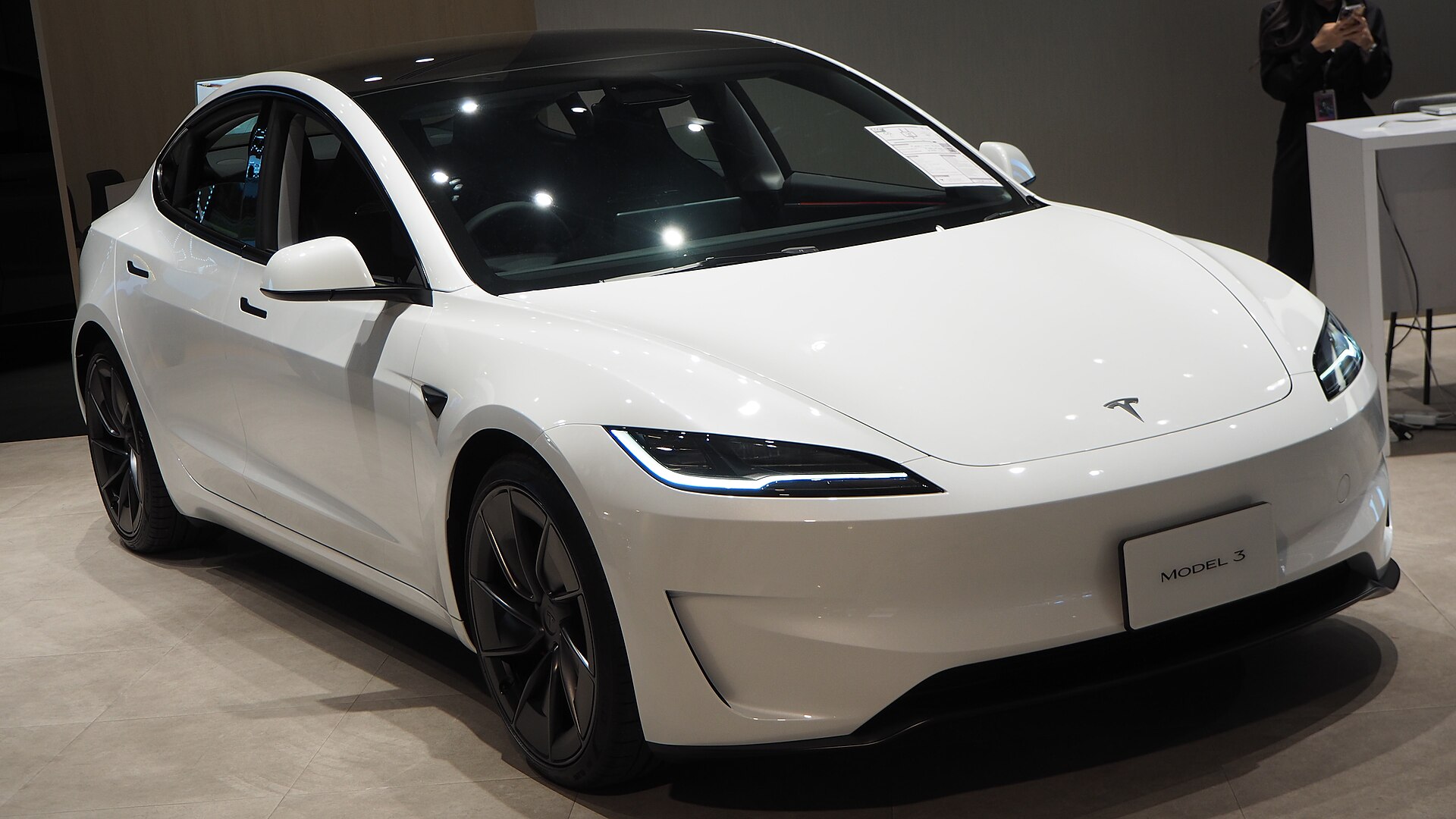
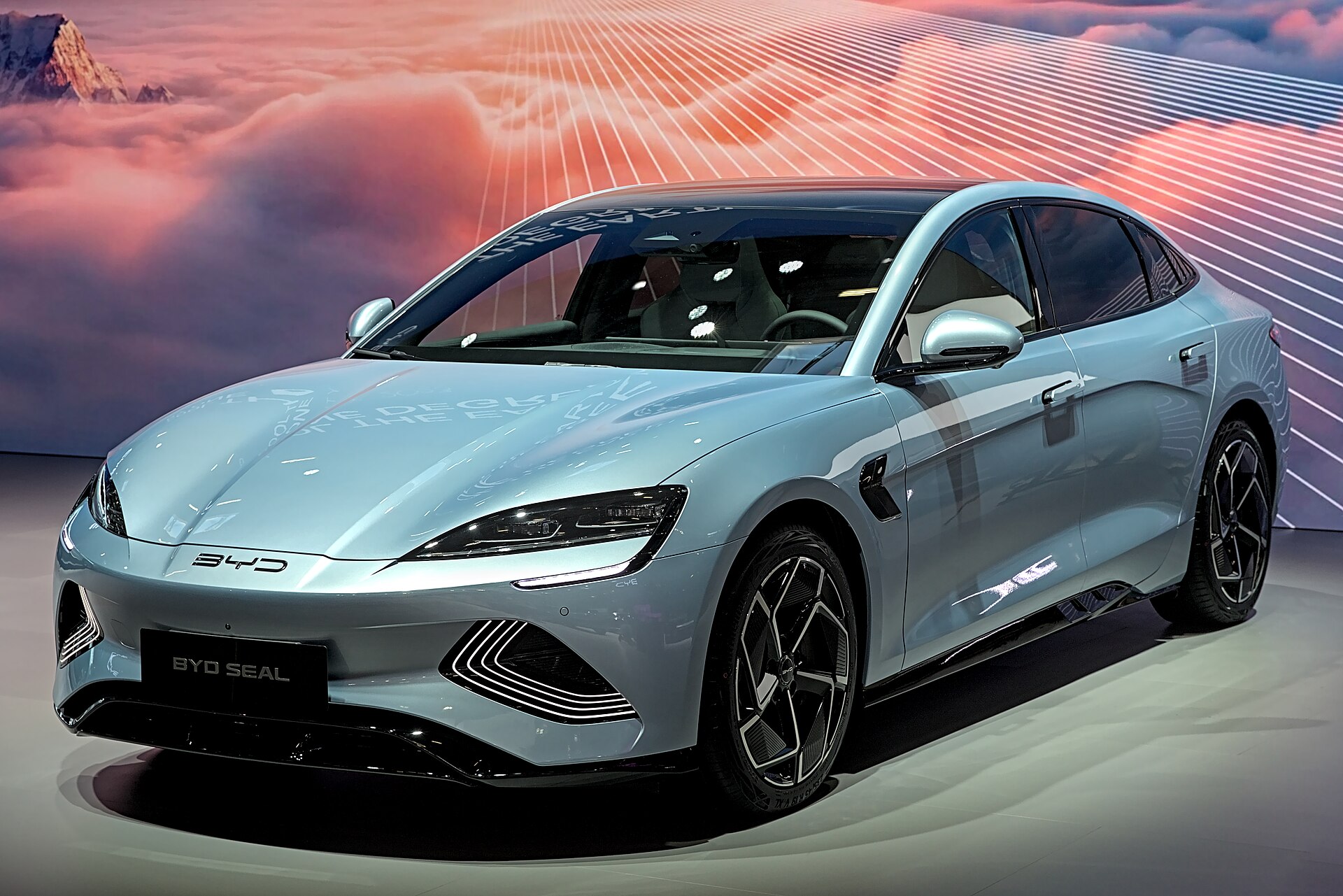
Efficiency and charging access meet equipment and cabin richness.
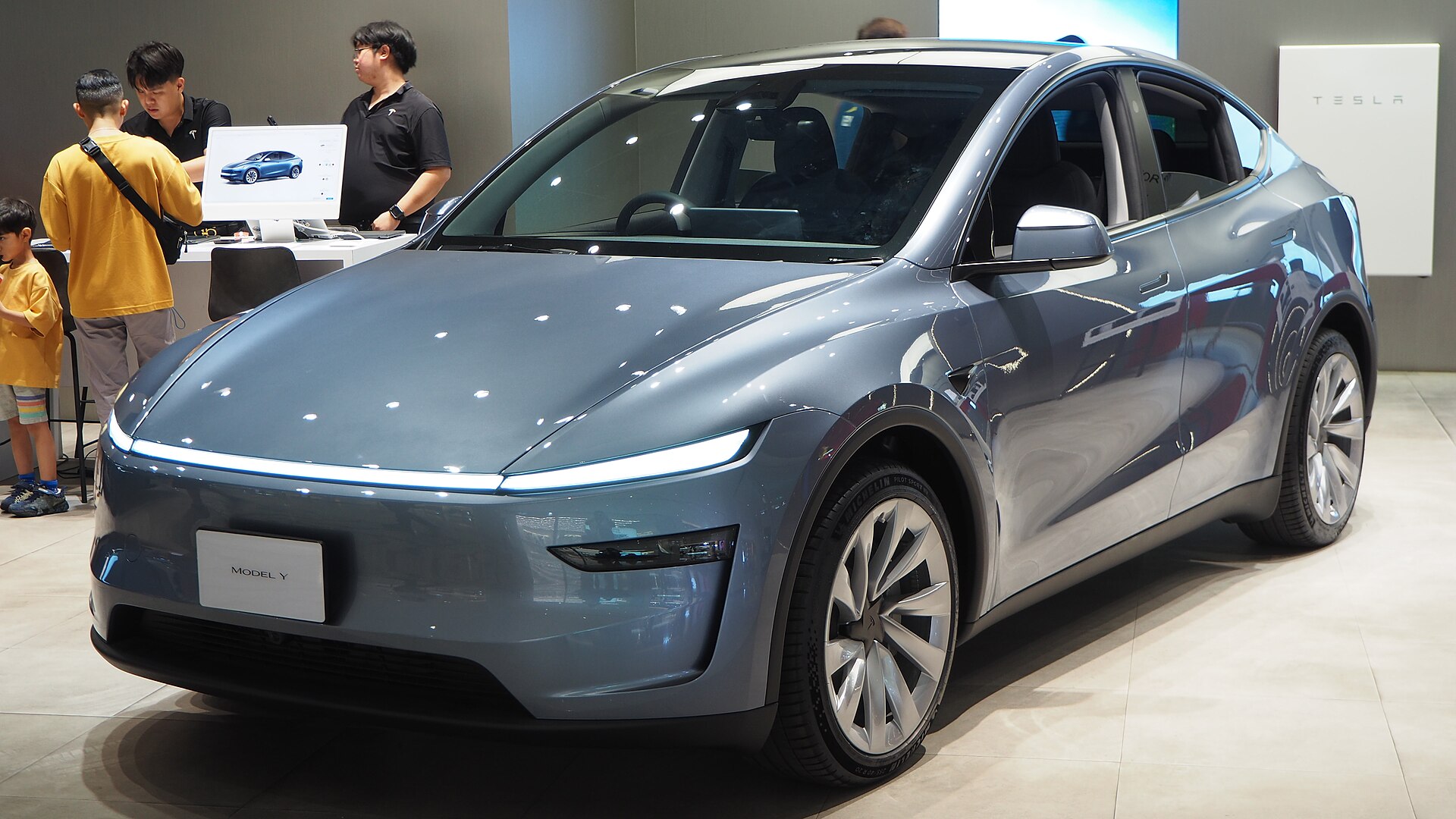
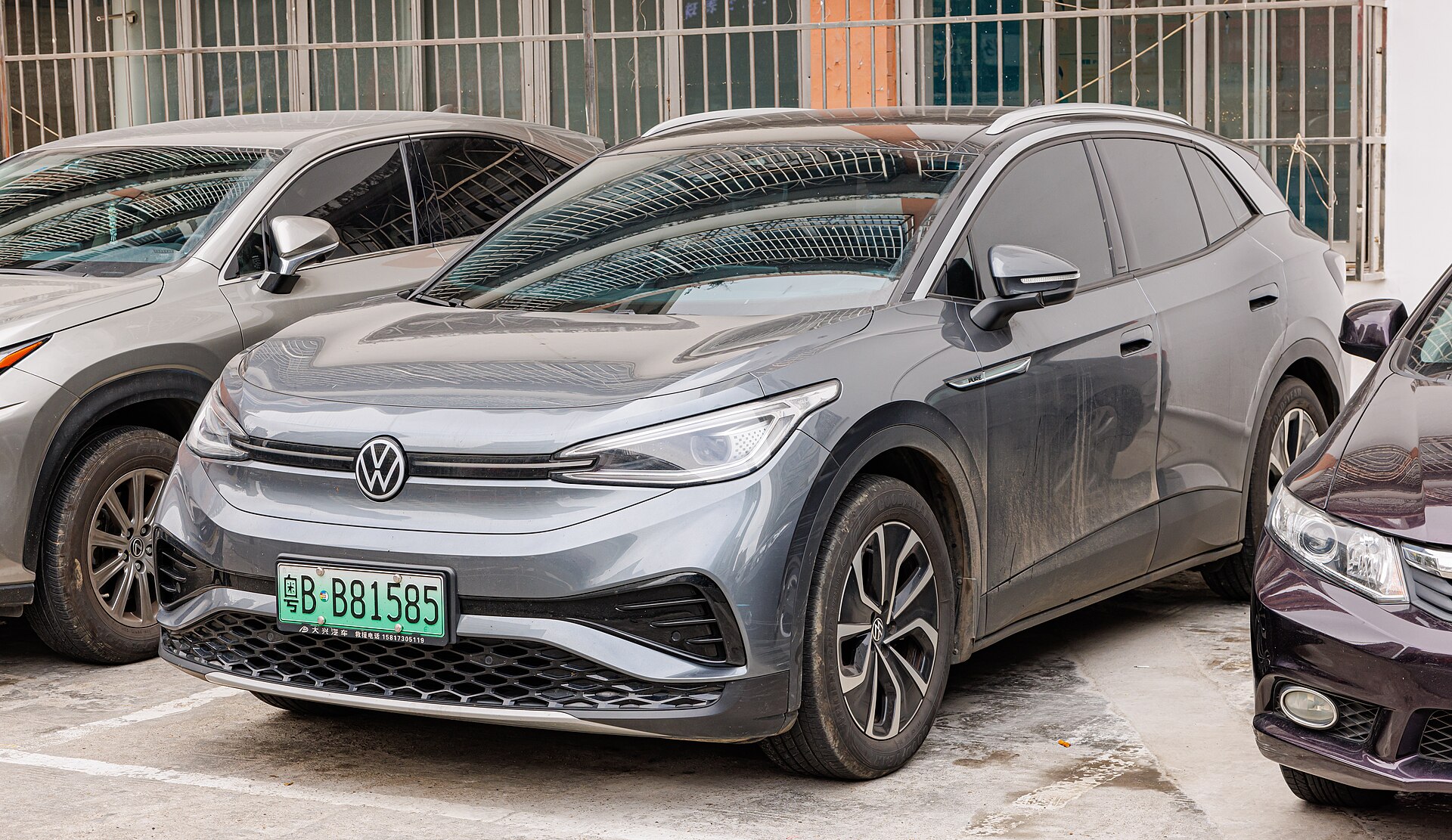
Two family EVs with very different approaches to controls and ownership.
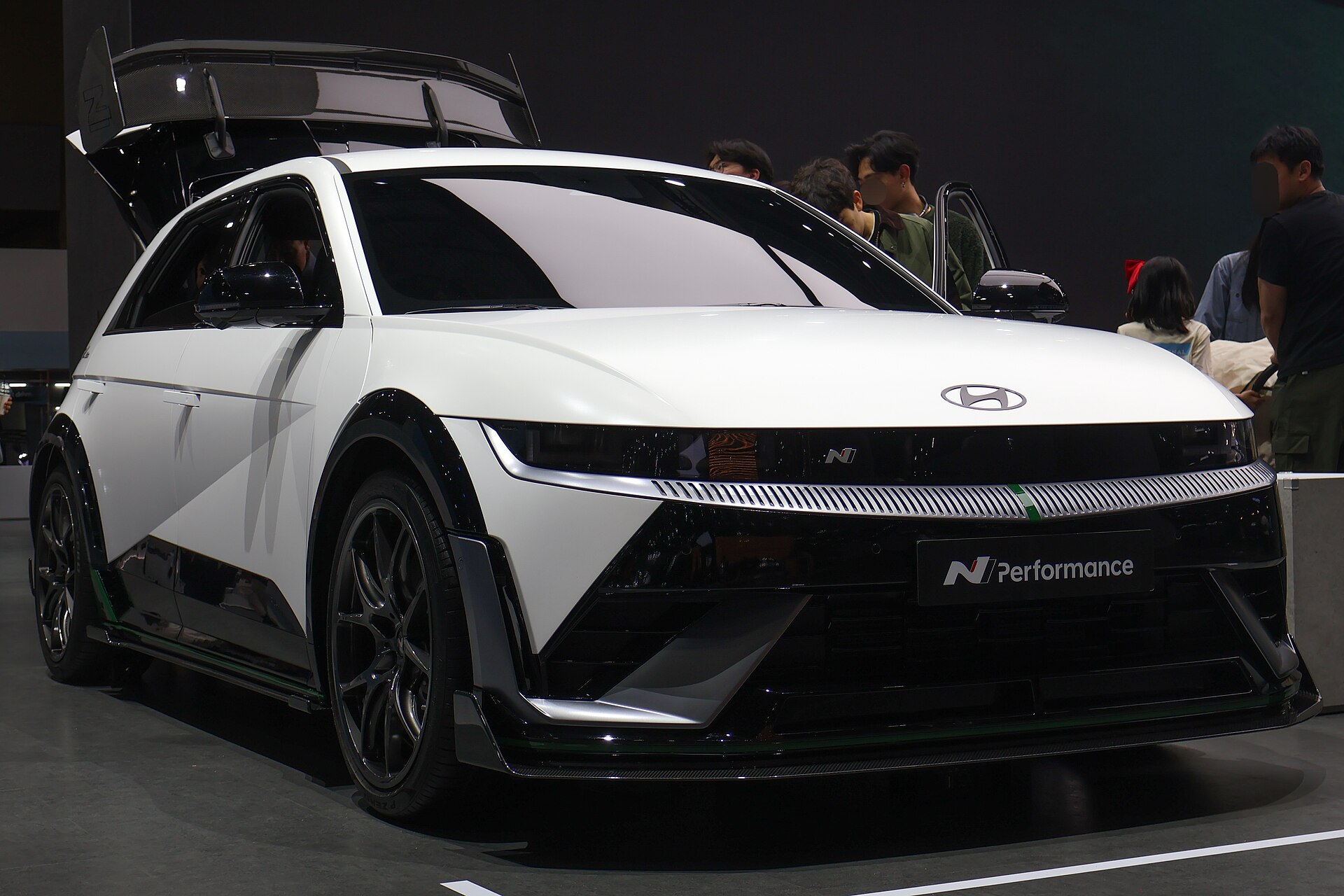
Long-distance efficiency versus exceptionally fast charging and cabin flexibility.
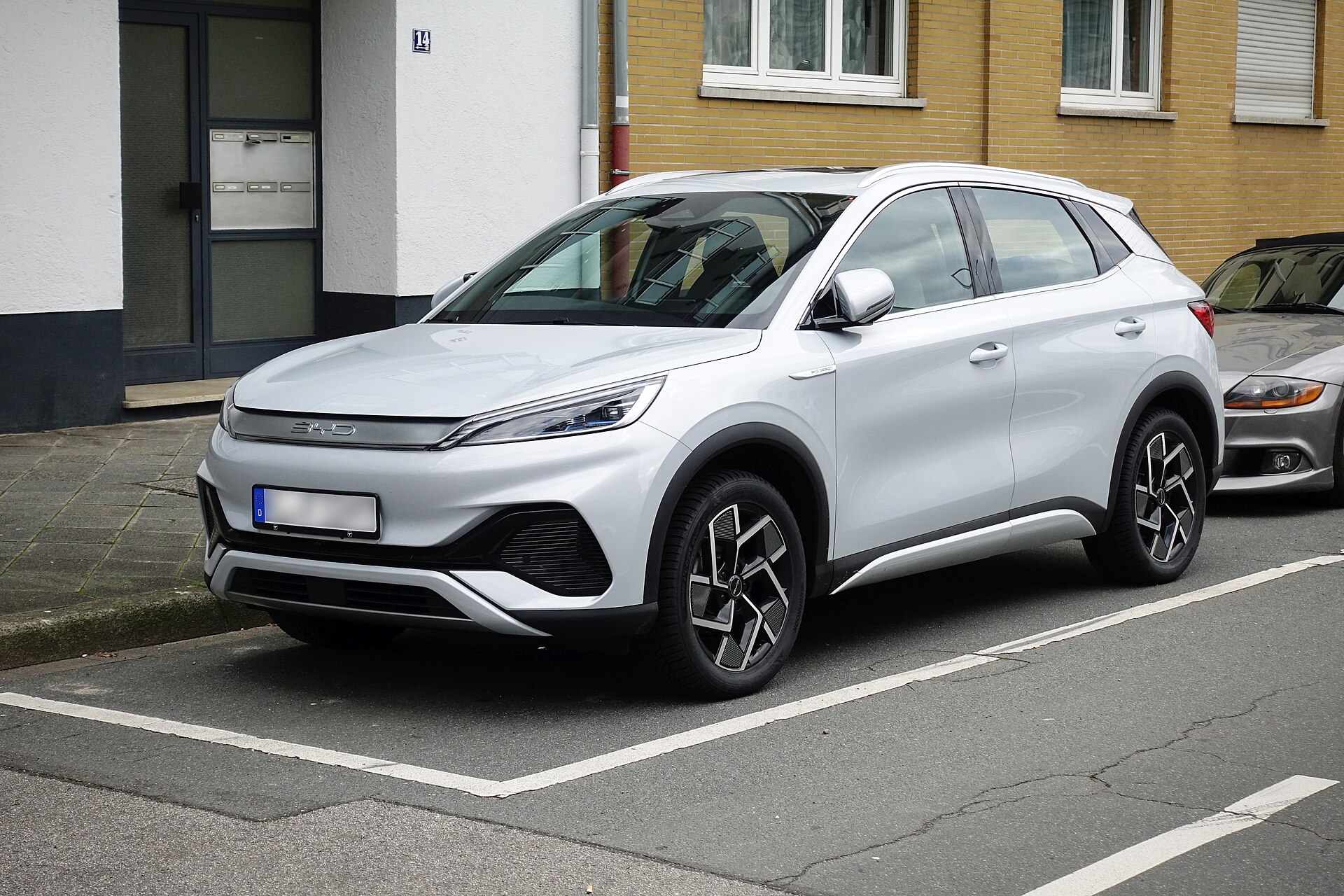
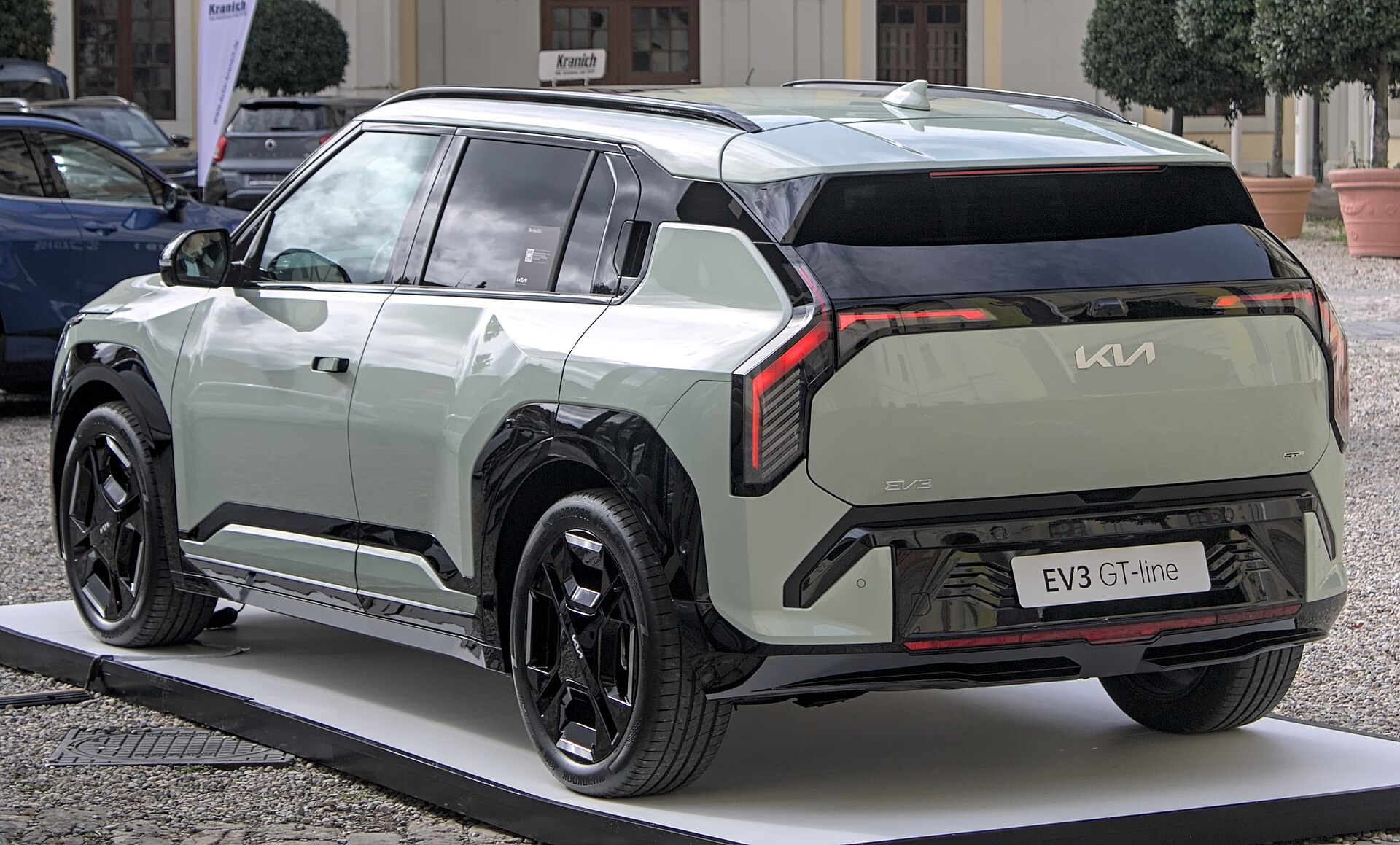
A proven value crossover meets a newer, longer-range rival.
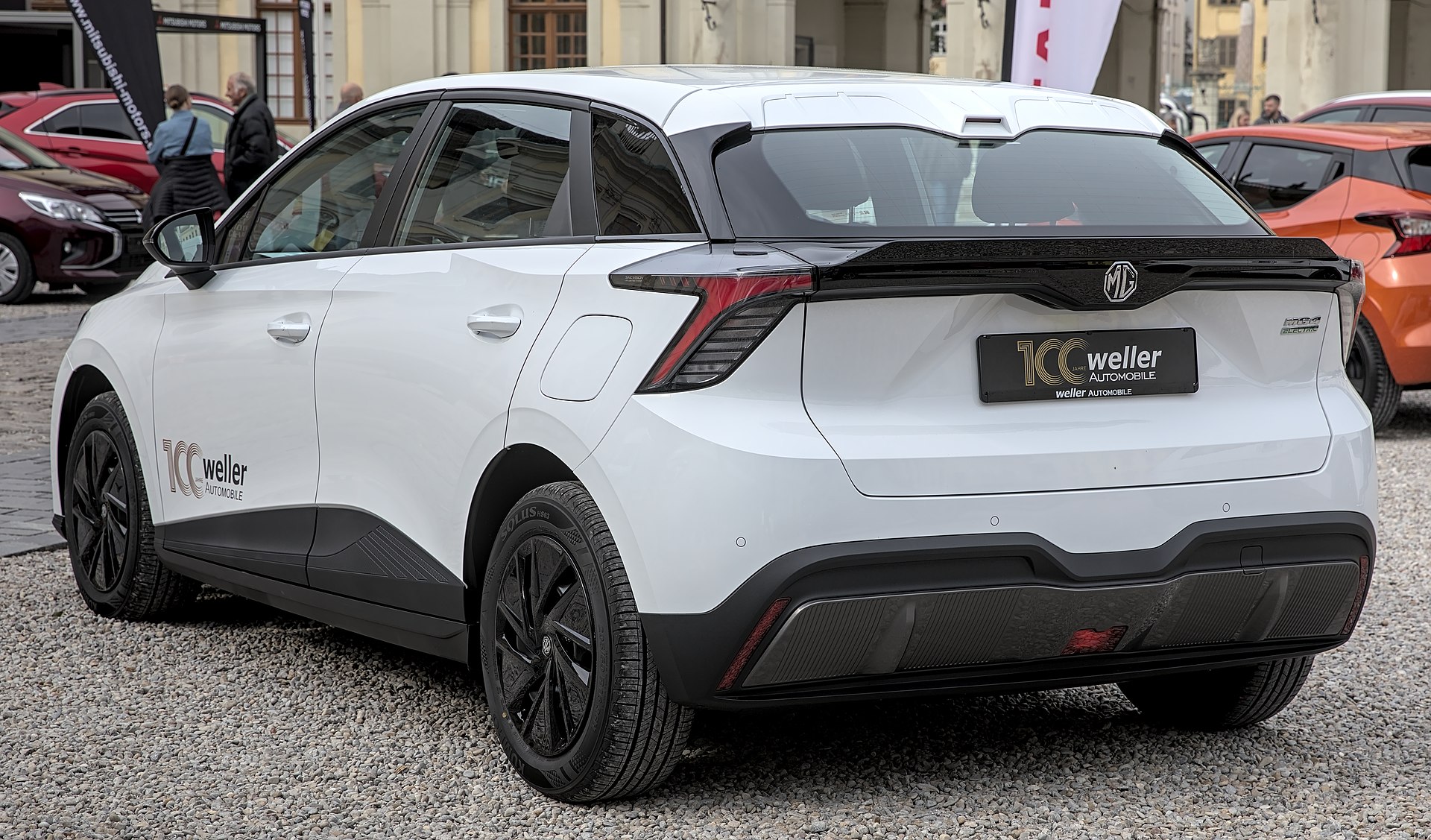
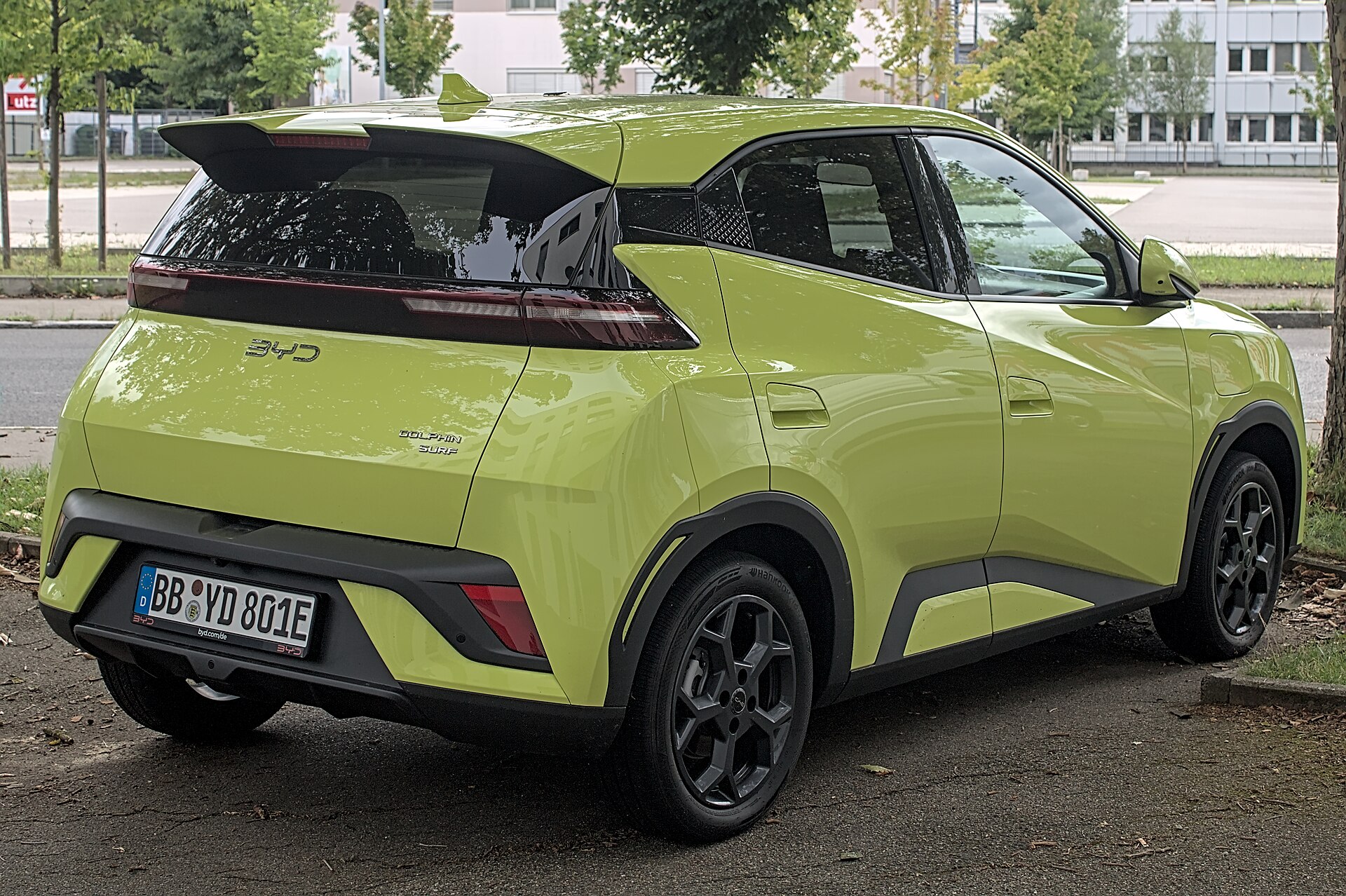
Affordable electric hatchbacks with different priorities and footprints.
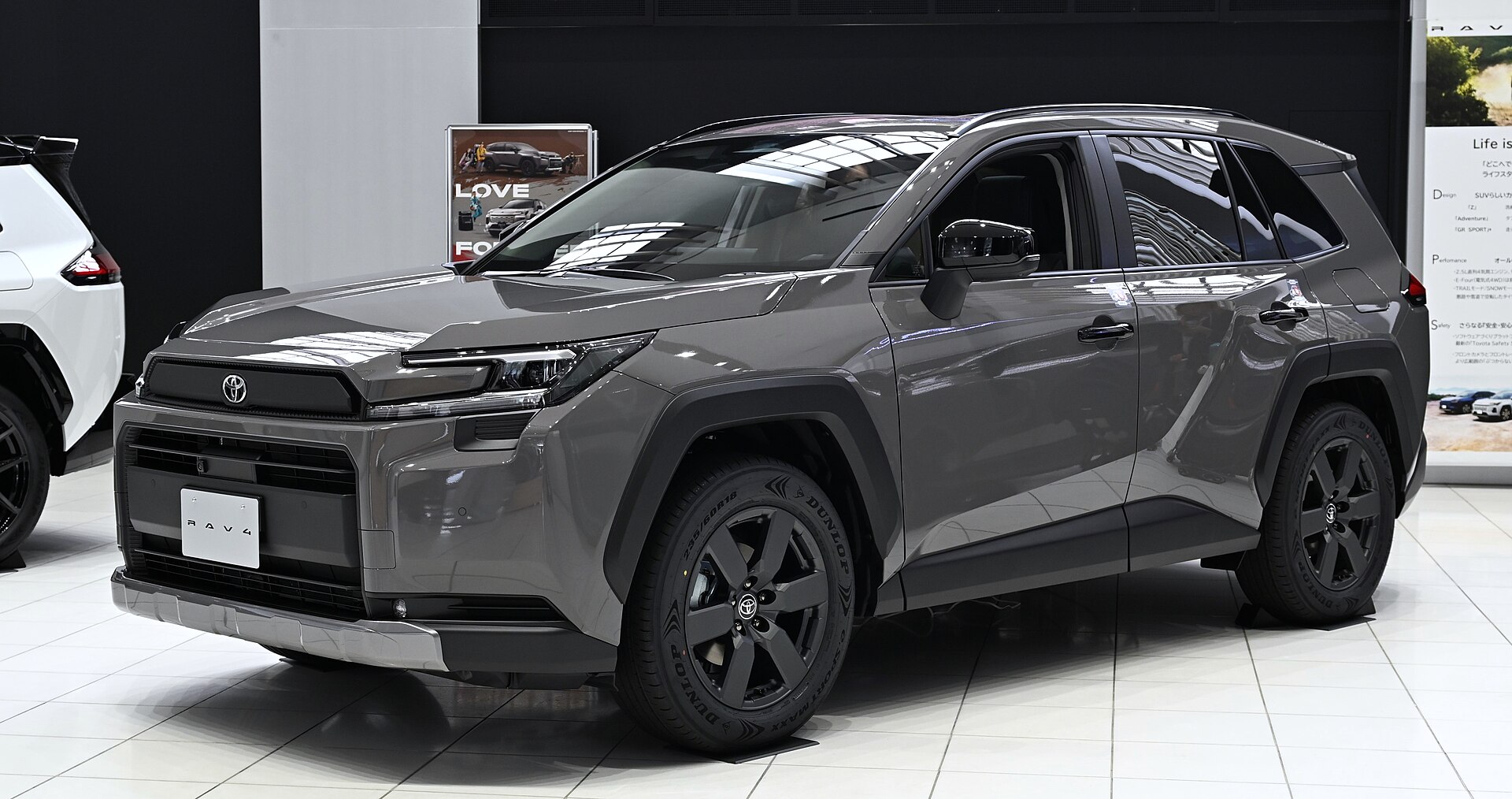
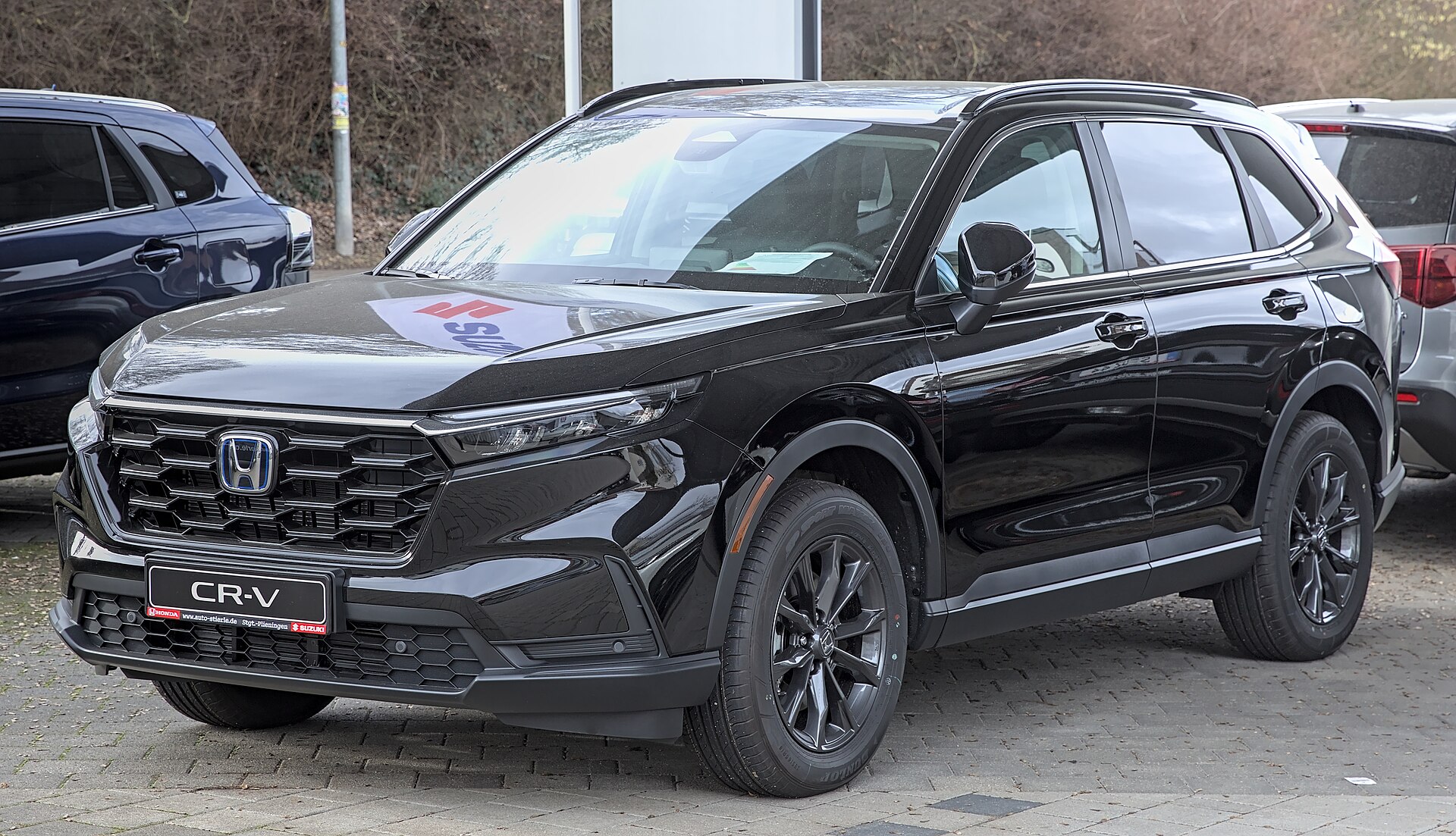
Two mainstream hybrid SUVs compared by the way people actually use them.