AnalysisCharging and infrastructure
BYD switches on 1,500 kW Flash Charging at three Klang Valley showrooms. What other EVs will get, and what a charge could cost
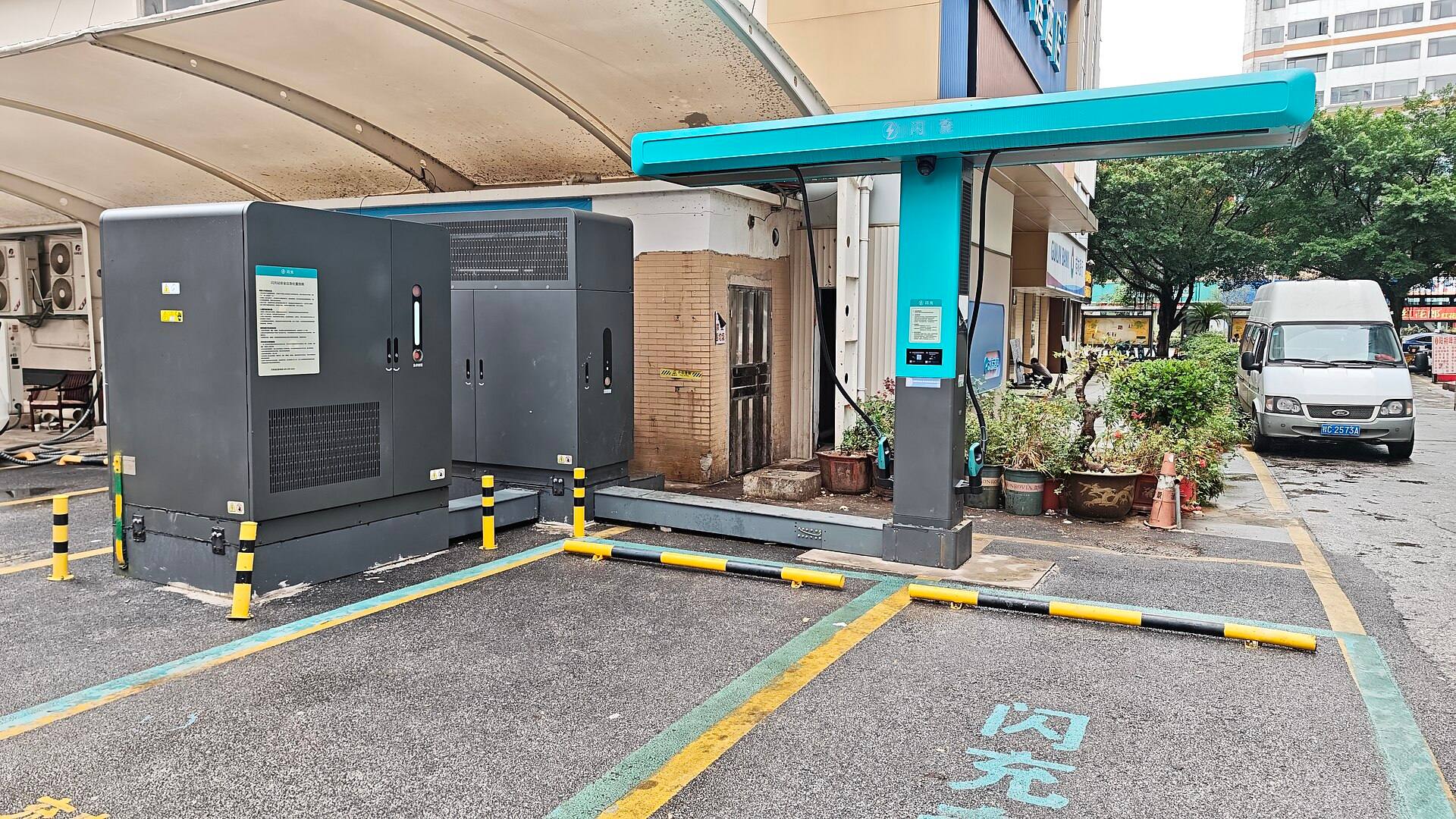
BYD Malaysia opened its first three Flash Charging sites on 19 November, free for Denza Z9 GT and D9 owners. It says every brand can plug in once its app arrives in December, but other cars will charge only as fast as they already can, and no price has been published.
By Charjin Editorial Desk4 minutes11 sources
Can any electric car use BYD's new Flash Chargers in Malaysia?
The short answer. Not yet. Since 19 November the three chargers serve Denza Z9 GT and D9 Prestige AWD owners, free. BYD Malaysia says all brands can use them once its Flash Charging app arrives in early December, but other cars will charge only at their own DC limit, and the price for them has not been published.
What changed for Malaysian drivers
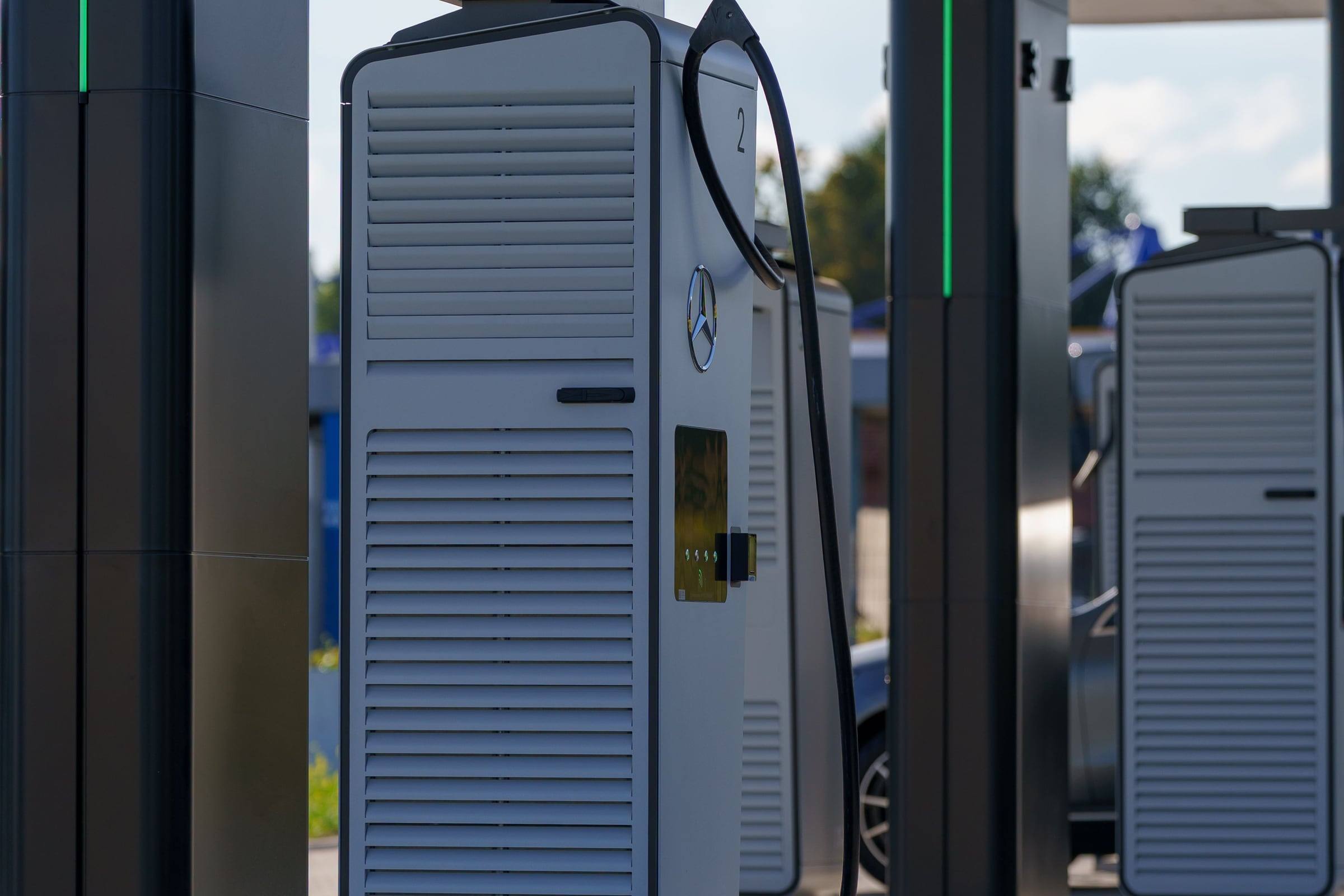
- Three Flash Charging sites opened on 19 November at Denza Balakong, Glenmarie and Old Klang Road, rated by BYD at up to 1,500 kW.
- Only the Denza Z9 GT and the new D9 Prestige AWD can use the full rate. Their owners charge free until 31 December 2027, through an app from 9 December.
- Other brands are promised access in December, at their own car's DC limit. A car rated at 88 kW will charge no faster here than at any other fast charger.
- No price has been set for other drivers. At today's public DC rates of about RM1.19 to RM1.57 per kWh, a charge costs roughly three times as much as at home.
What opened on 19 November
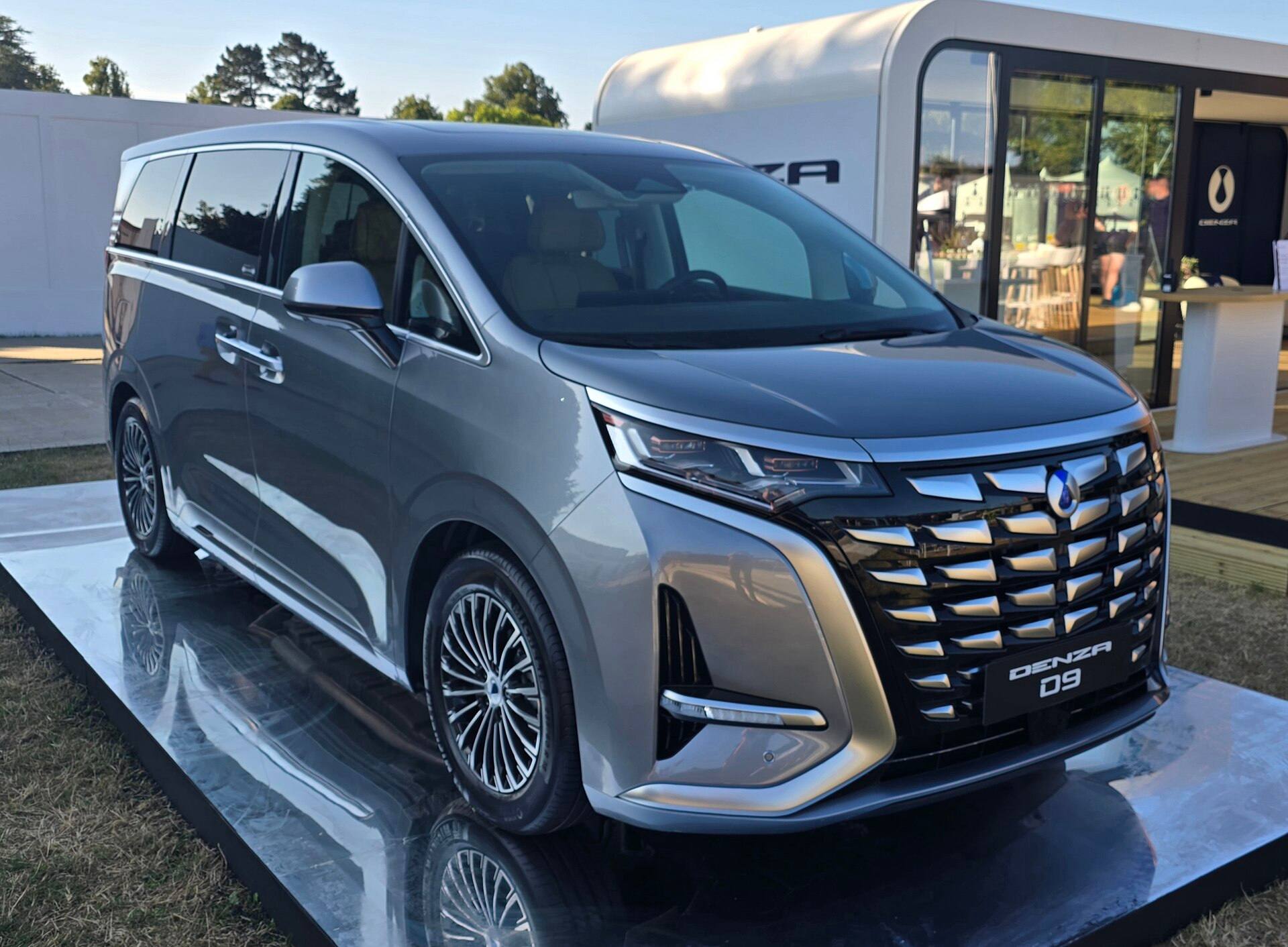
BYD Malaysia switched on Flash Charging at three Denza showrooms in the Klang Valley on 19 November: Balakong, Glenmarie and Old Klang Road. It launched the network alongside the updated Denza D9 Prestige AWD, an electric MPV priced at RM345,800 before insurance and registration.1,2,3
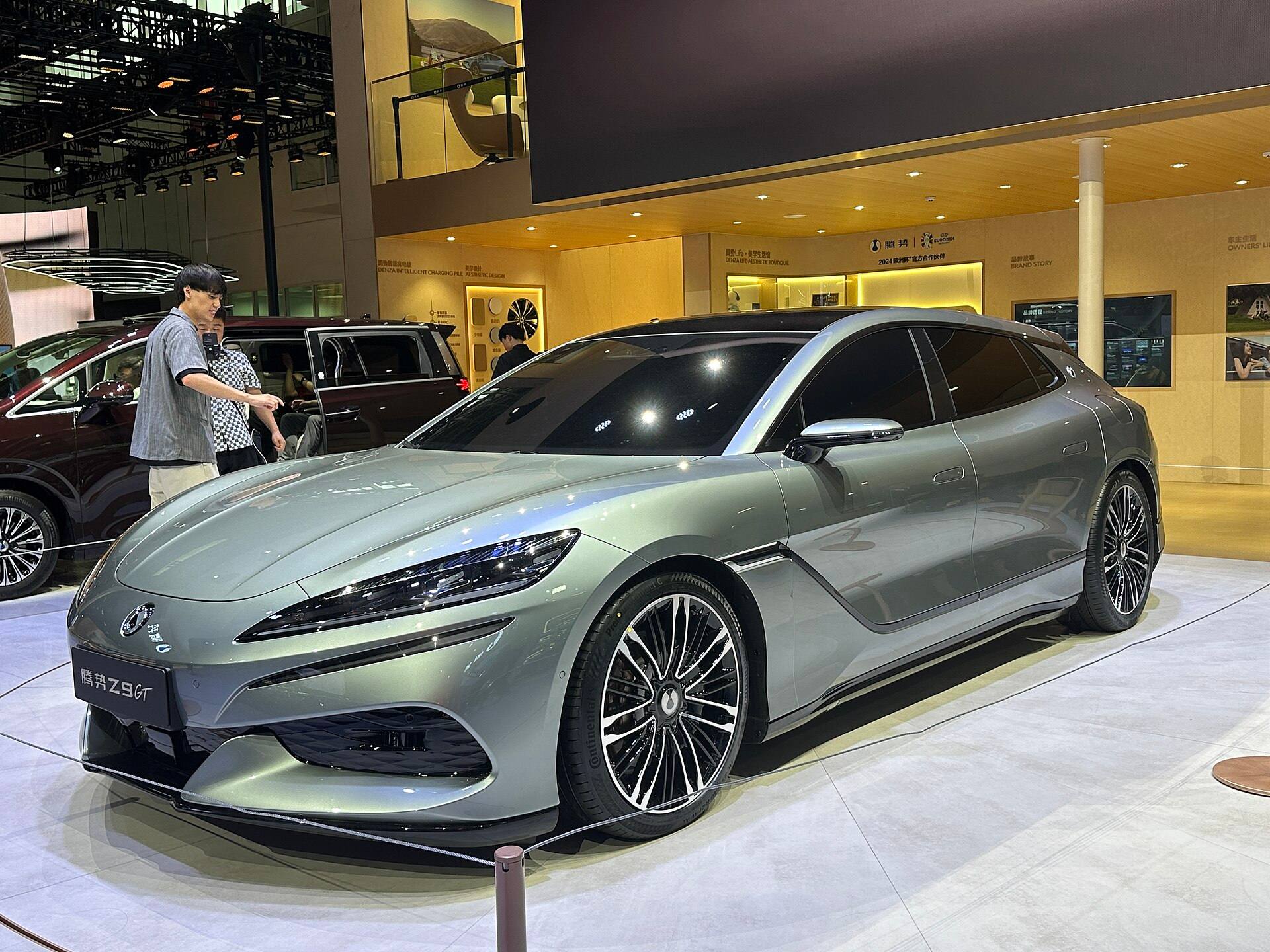
For now, only two cars can use the chargers at full speed: the Denza Z9 GT and the new D9, both built with BYD's second-generation Blade battery. Owners of either get a year of free charging. Until 8 December they can plug in at the showrooms without an app or registration. From 9 December the offer moves to the BYD Flash Charging app and runs until 31 December 2027.1,2,3
BYD Malaysia plans to add more Denza and selected BYD outlets from December, with 12 by the end of 2026 and 130 by the end of 2027. The reports do not agree on what those numbers count. SoyaCincau's launch report and Paul Tan describe charging points, Lowyat gives 12 charging points but 130 locations, and a later SoyaCincau report says locations for both. Charjin could not find a BYD Malaysia statement that settles it, and the difference matters: one charger at 130 sites is a national network, while 130 charge points could be far fewer places.1,2,3,4
What other electric cars will get
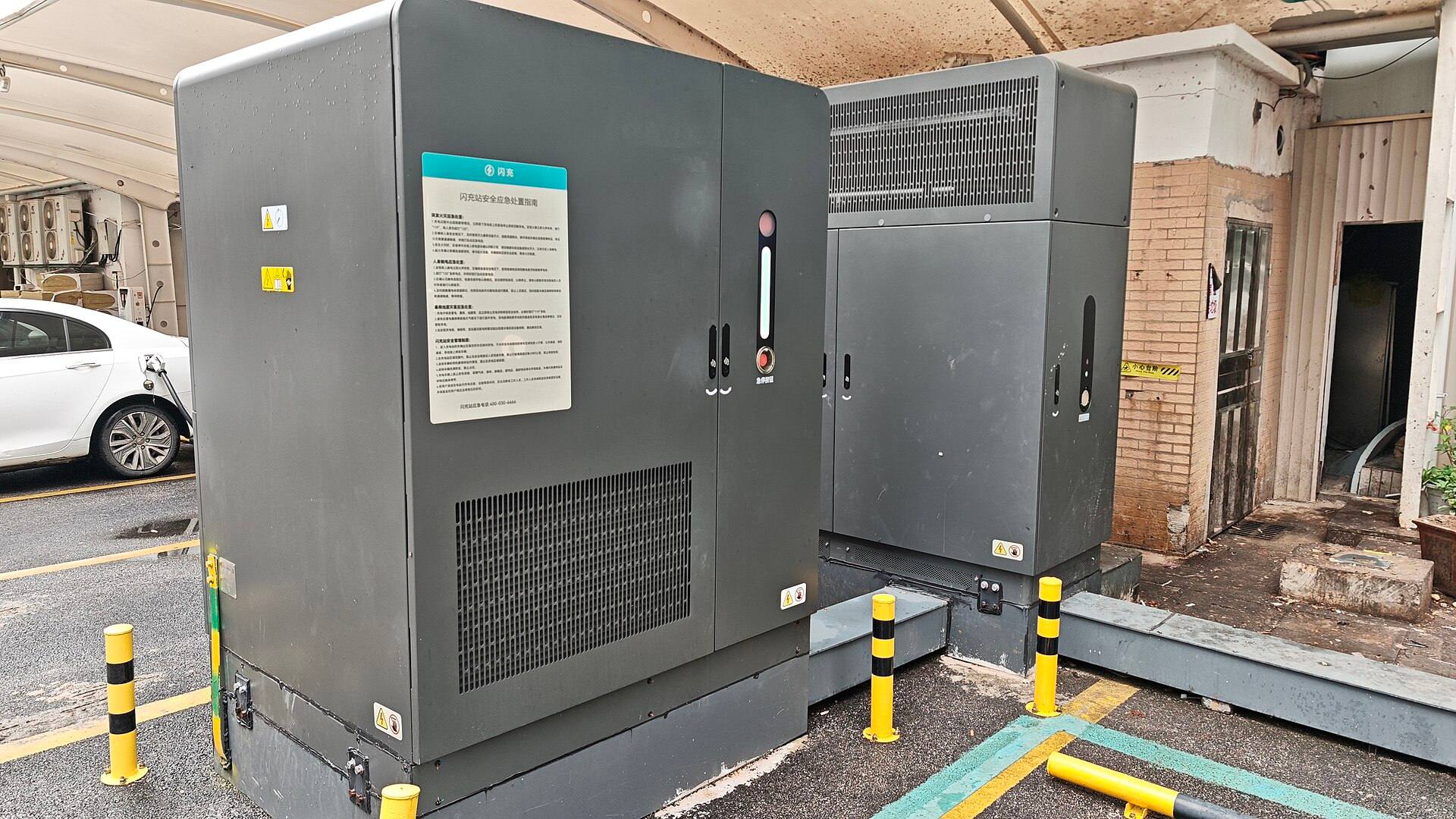
BYD Malaysia's managing director, Jacob Ma, said at the launch that the stations will open to all brands once the Flash Charging app is available in Malaysia early next month. A car that does not support Flash Charging will draw power only up to its own DC limit.1,4
Take the BYD Atto 3. BYD's European site rates it at up to 88 kW DC, with 30 to 80% in 29 minutes. Norway's motoring club NAF measured a 90 kW peak and 41 minutes from 10 to 80% in its summer 2023 test. On a 1,500 kW post it will charge the same way as on any charger of 100 kW or more. The Malaysian version's charging rating may differ, so check the local brochure.7,8
The gap is clearest with the D9 itself. Paul Tan reports that the previous D9 peaked at 166 kW. Charjin's arithmetic: 10 to 70% of the new 115.07 kWh battery is about 69 kWh, so BYD's five-minute claim implies an average of about 830 kW. At a constant 166 kW the same energy would take at least 25 minutes. That gap between peak and average power is why a headline rating says little until a car can accept it.2,5
How a showroom supplies 1,500 kW
BYD launched the system in China in March, claiming 1,500 kW from a single connector, 10 to 70% in five minutes and 97% in about nine. At −30°C it says a charge from 20 to 97% takes only three minutes longer than at room temperature. These are BYD's figures for its own compatible cars, without published test conditions, and Charjin has seen no independent measurement in Malaysia.5
To avoid overloading the local grid, each charger is paired with energy storage. In Malaysia that is two cabinets of 185 kWh each, 370 kWh in all, which refill from the grid at between 100 kW and 560 kW depending on what the local supply allows.1,5
Charjin's arithmetic, ignoring losses and any power the grid adds during a session: a D9 taking 69 kWh uses a little under a fifth of the stored energy, so five such charges back to back would use about 345 kWh. Refilling 370 kWh takes about 3.7 hours at 100 kW, or about 40 minutes at 560 kW. BYD has not said how the charger behaves when the cabinets run low, so a busy site on a weak connection may not repeat the headline time for every car in a queue.1
Showrooms are the first step. In October Gentari, which runs more than 600 charging points in Malaysia, signed a memorandum with BYD Malaysia to study Flash Charging sites with battery storage, including on intercity corridors. It is an agreement to explore, with no timetable or sites named.9
What a charge could cost
BYD Malaysia has not published what drivers outside the free offer will pay. Ma told SoyaCincau the fee would not be far from the average market rate, and that revenue is not the aim of the network.4
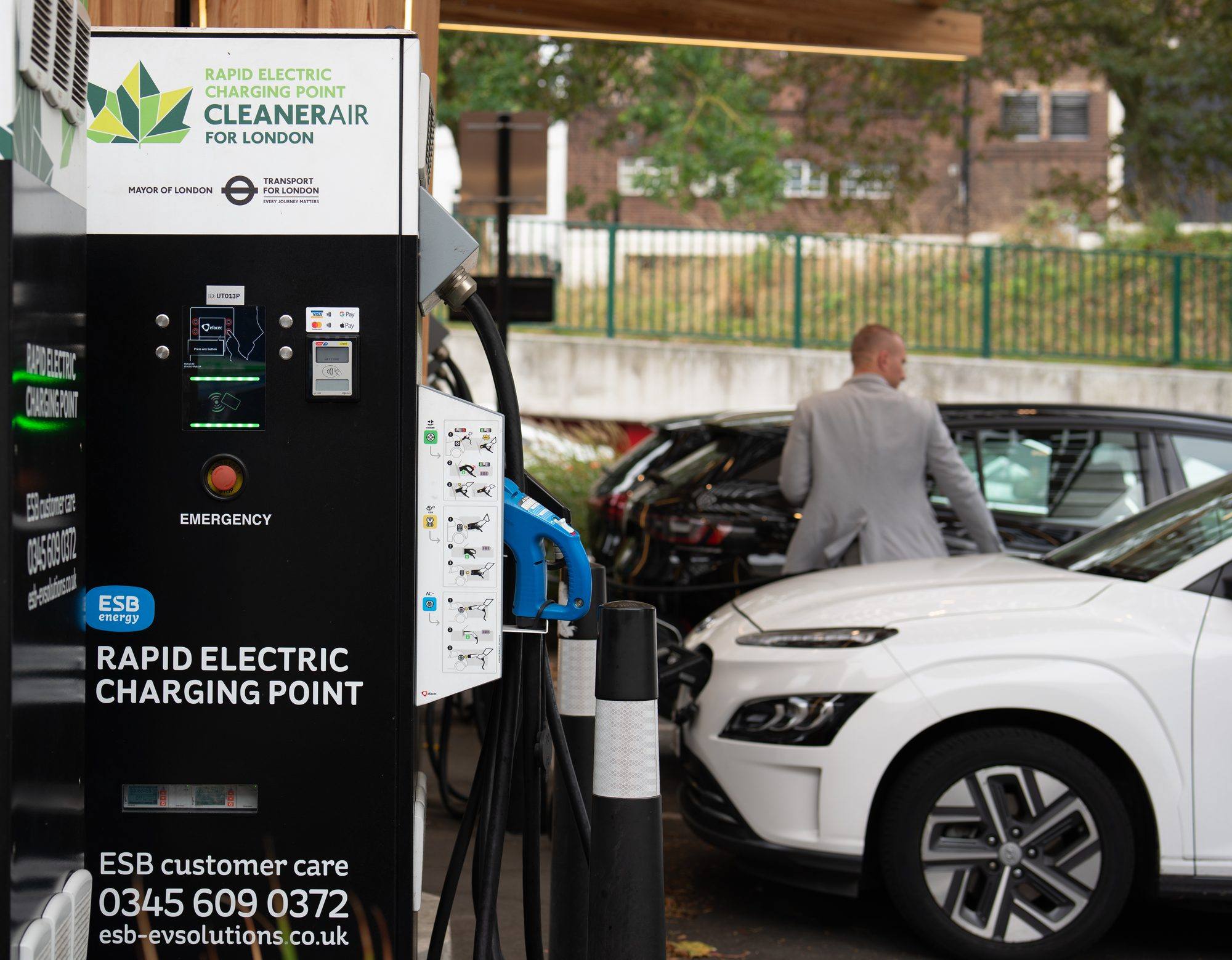
Market rates vary by site. After cuts in September, ChargeSini charges RM1.19 per kWh on public DC chargers of 40 kW and below and a flat RM1.29 on 60 to 80 kW units, though RinggitPlus found sites charging from RM1.19 to RM1.57. Gentari's July cuts brought its lowest rate to RM1.30 at selected sites.6
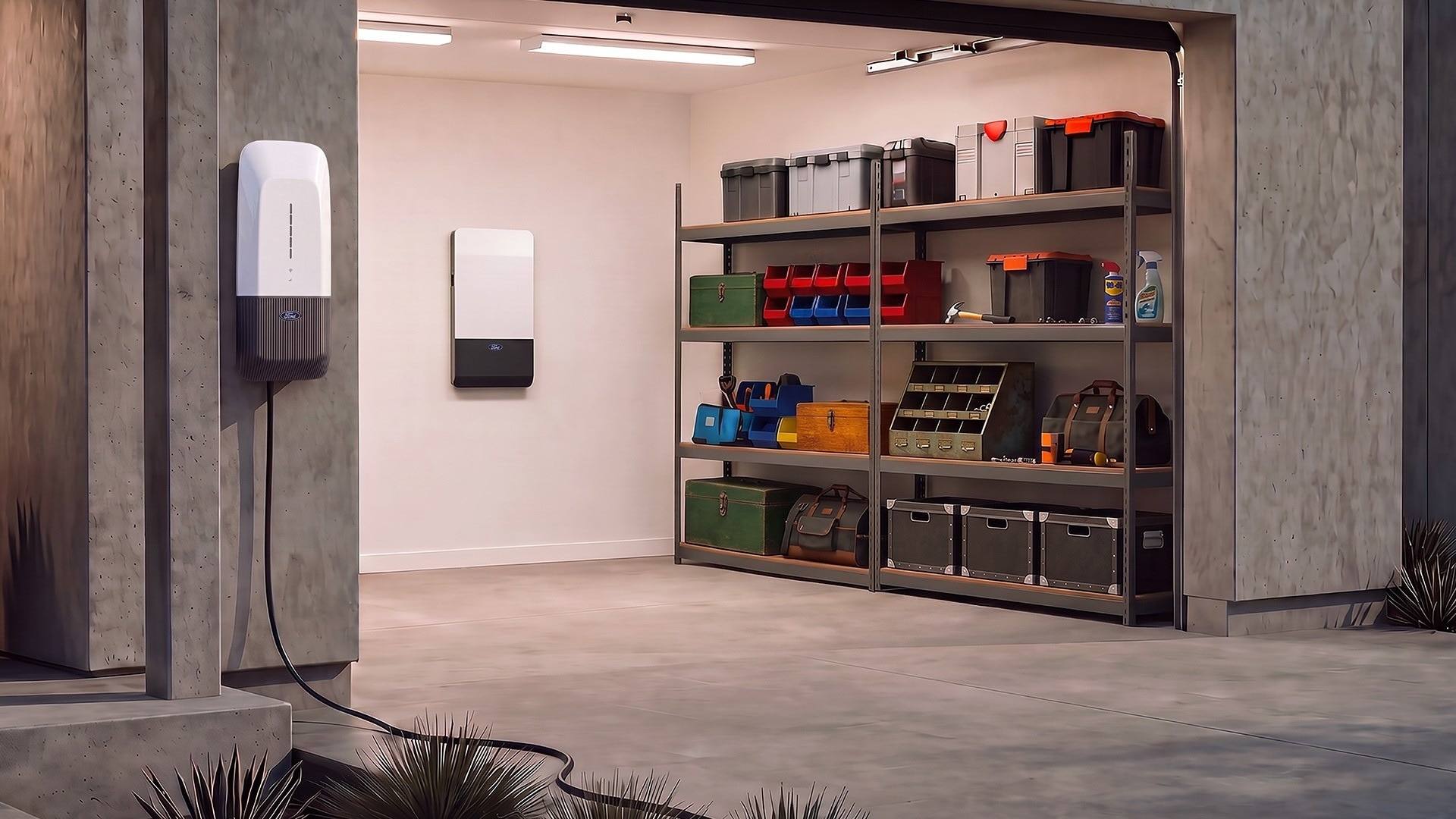
At home, TNB's domestic tariff for households using up to 1,500 kWh a month adds up to 44.43 sen per kWh before the fuel adjustment and the retail charge. Time-of-use customers pay 41.83 sen off-peak, which covers weekends and weekdays before 2pm and after 10pm.10,11
For the D9's 69 kWh top-up, that works out at about RM90 at RM1.30 per kWh and about RM108 at RM1.57, against about RM31 at home on the standard rate. Charging losses are left out. Public DC power at these rates costs roughly three times as much as home charging, so for most owners the Flash charger is for the road, not for routine top-ups.6,10
What to check before you rely on it
Find your car's rated DC charging power in the Malaysian specification. If it is around 100 kW or less, a Flash charger is just another fast charger, and your trip time depends on your own DC limit, not on the post.1,7
Before driving to a showroom, check that the app is live, what it charges per kWh and whether the bay can be used outside showroom hours, which none of the launch reports states. Treat the five-minute and nine-minute figures as BYD's claims under optimal conditions until independent tests are published, and treat the 130-site target as a plan until BYD Malaysia says whether it counts sites or charge points.1,2,4,5
Common questions
Is BYD Flash Charging free in Malaysia?
Only for Denza Z9 GT and D9 Prestige AWD owners, until 31 December 2027. Until 8 December they can plug in without an app; from 9 December the free charging runs through the BYD Flash Charging app. No price has been published for other drivers.
Will a non-BYD electric car charge faster on a Flash charger?
No. BYD Malaysia says other cars charge only up to their own DC limit, so a car rated at 88 kW will charge as it would on any other fast charger of that power or more.
Where are the Malaysian Flash Charging sites?
At launch, at the Denza showrooms in Balakong, Glenmarie and Old Klang Road in the Klang Valley. BYD Malaysia plans to add Denza and selected BYD outlets from December, with 12 by the end of 2026 and 130 by the end of 2027.
Evidence register
The material behind the conclusion. Bracketed numbers in the text point here.
- 01
reference accessed 19 November 2026
BYD Flash Charging officially in Malaysia: EV charging experience that rivals petrol refuelling
SoyaCincau. Launch-day report naming the three Denza sites, the 1,500 kW rating and charge times, the two 185 kWh storage cabinets and 100–560 kW grid recharge, the supported models, free-charging terms, the opening to other brands at their own DC limit and the rollout targets.
- 02
reference accessed 19 November 2026
paultan.org. Gives the D9 price, the 115.07 kWh battery, the previous D9's 166 kW peak, the free-charging dates and the 12 and 130 charging-point targets.
- 03
reference accessed 19 November 2026
Denza D9 Prestige AWD Goes Official In Malaysia With BYD Flash Charging Technology
Lowyat.NET. Confirms the three showroom sites, the D9 price and battery, the free-charging terms and gives 12 charging points by end-2026 and 130 locations by end-2027.
- 04
reference accessed 19 November 2026
BYD Flash Charging stations in Malaysia may open to all EV brands as early as this December
SoyaCincau. Reports Jacob Ma's statement that all brands can use the stations once the app launches in early December, his comments on pricing and revenue, and the targets described as locations.
- 05
manufacturer accessed 19 November 2026
BYD Unveils 2nd Generation Blade Battery and FLASH Charging Technology
BYD (Middle East and Africa). BYD's March 2026 release claiming 1,500 kW from one connector, 10–70% in five minutes, 97% in about nine, three extra minutes from 20–97% at −30°C, and an energy storage system to avoid overloading the grid.
- 06
reference accessed 19 November 2026
ChargeSini's DC Rates Now Start From RM1.19
RinggitPlus. Gives ChargeSini's September 2026 DC rates of RM1.19 and RM1.29 per kWh, sampled site prices from RM1.19 to RM1.57, and Gentari's July floor of RM1.30 at selected sites.
- 07
manufacturer accessed 19 November 2026
BYD Europe. BYD Europe's model page giving DC charging of 88 kW and 30–80% in 29 minutes.
- 08
data accessed 19 November 2026
BYD Atto 3: test results (El Prix summer 2023)
NAF (Norges Automobil-Forbund). NAF's measured 90 kW charging peak and 41 minutes from 10 to 80% in its summer 2023 test (page in Norwegian).
- 09
reference accessed 19 November 2026
Gentari, BYD Malaysia explore flash charging rollout
New Straits Times. Reports the 21 October 2026 memorandum to study Flash Charging with battery storage, including intercity corridors, with no timetable, and Gentari's more than 600 charging points in Malaysia.
- 10
reference accessed 19 November 2026
TNB new electricity tariff calculation from July 2025
paultan.org. Breaks down the domestic tariff: 27.03 sen energy, 4.55 sen capacity and 12.85 sen network per kWh up to 1,500 kWh, totalling 44.43 sen, and the 24.43 sen off-peak energy rate.
- 11
primary accessed 19 November 2026
Tenaga Nasional Berhad (myTNB). TNB's tariff page setting out the domestic general and time-of-use tariffs, with off-peak from 10pm to 2pm on weekdays and all day at weekends.
No corrections recorded. Last checked 19 November 2026.