ReportClean energy and the grid
Germany's coalition moves to keep the feed-in tariff for rooftop solar up to 25 kW. What a new system earns, and what is still undecided
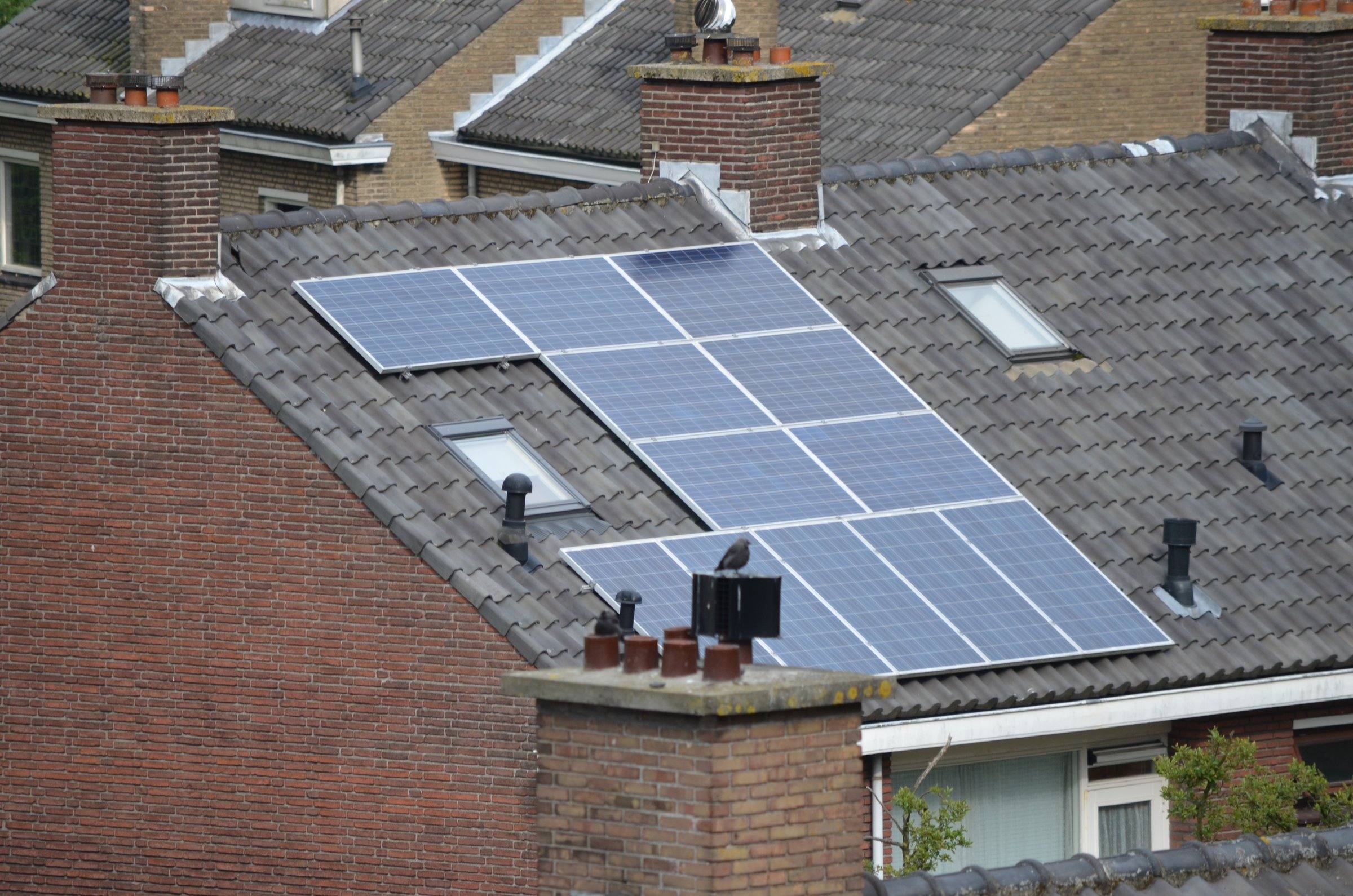
The CDU/CSU and SPD have reportedly agreed to drop the plan to end fixed payments for new home solar from 2027. The deal is not final, no 2027 rate has been set, and a system switched on before 1 January keeps today's 7.70 cents for 20 years.
By Charjin Editorial Desk3 minutes10 sources
Should a German household still put up rooftop solar before the end of 2026, or wait for the new law?
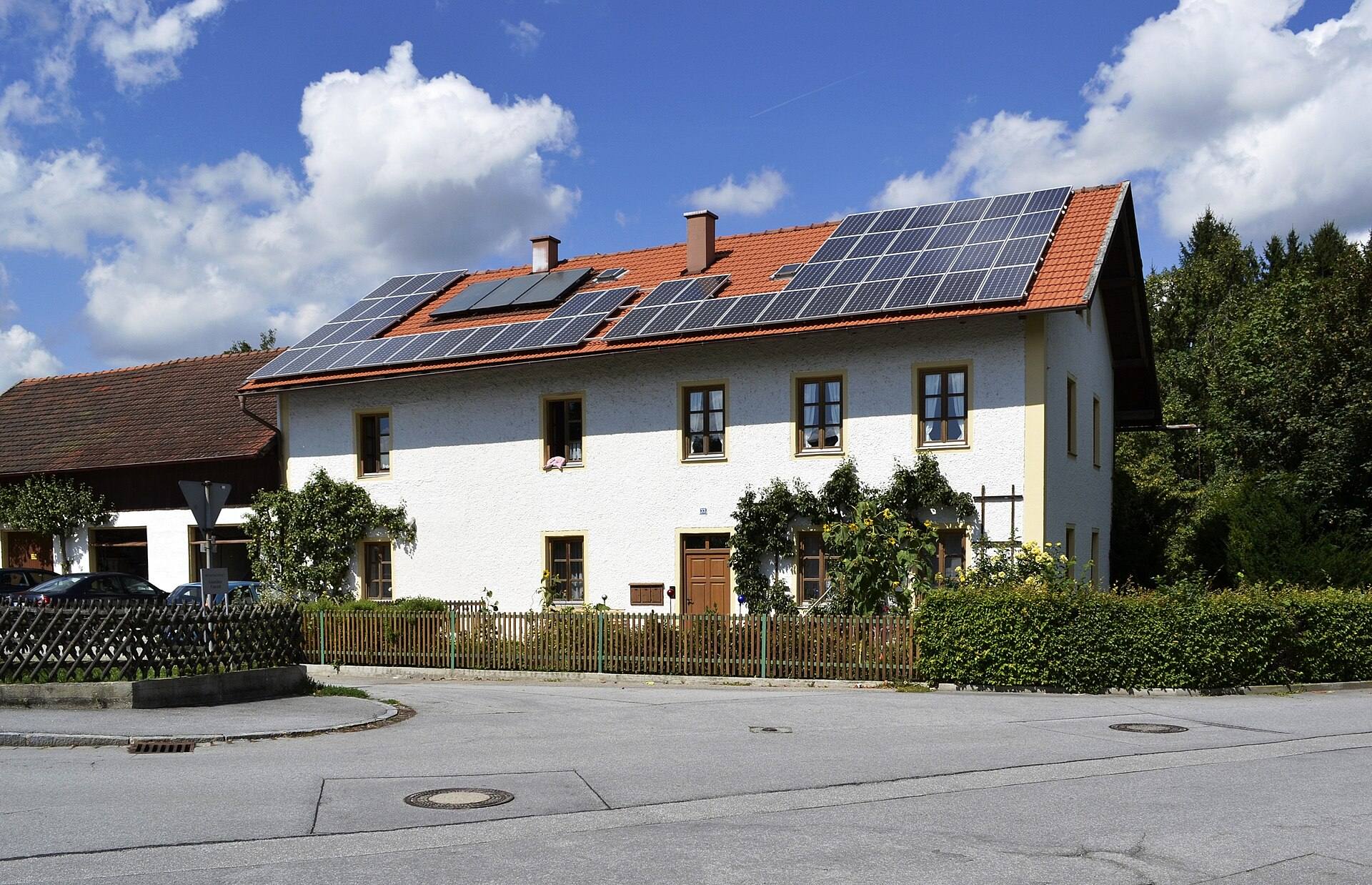
The short answer. A system switched on by 31 December 2026 locks in today's rules: 7.70 cents per exported kWh for the first 10 kW, paid for 20 years. The coalition's reported compromise would keep a fixed tariff for new systems up to 25 kW from 2027 too, but it is not yet law and no 2027 rate has been published, so only the 2026 terms are certain.
What a German solar buyer should know
- The government's draft EEG 2027 would replace the fixed feed-in tariff for new systems with a transitional payment for at most 36 months, followed by direct marketing.
- According to an SPD letter reported on 14 November, CDU/CSU and SPD instead want to keep the feed-in tariff for new systems up to 25 kW; grid operators would buy power from 26–50 kW systems at the annual market value.
- The CDU says no part of the deal is final until the whole energy package, including the disputed grid package, is agreed.
- Systems switched on from 1 August to 31 December 2026 get 7.70 ct/kWh for the first 10 kW in partial feed-in, for 20 years plus the year of commissioning.
- With household power averaging 37.3 ct/kWh in 2026, each kWh you use yourself is worth almost five times one you export.
What the coalition has agreed
The parliamentary groups of the CDU/CSU and the SPD want to keep the fixed feed-in tariff for new solar systems of up to 25 kW, according to an internal letter from SPD energy spokesperson Nina Scheer that Reuters and dpa reported on 14 November. Under the same compromise, grid operators would take the power from systems of 26 to 50 kW and sell it at the annual market value.6,7,8,9
Trade paper ZfK reports further details from the letter. The cap that limits how much of a system's capacity it may feed into the grid at once, set at 50% in the draft, would apply only from 26 kW, and curtailment would be applied at the grid connection point rather than at the panels, which Scheer says makes it easier to use the power behind that point.6
What the government draft proposed
The cabinet bill, laid before the Bundestag on 7 September as printed paper 21/7867, says the fixed feed-in tariff for new systems is to be abolished and support for new systems below 25 kW largely ended. Small systems would instead get a temporary payment, set below the old tariff, for at most 36 months before moving to direct marketing through a third party.1
The draft argues that small rooftop systems are often profitable without support when owners use much of the power themselves. It would also cap the feed-in of rooftop systems below 100 kW permanently at 50% of installed capacity, so that new systems are built with a battery to shift the midday peak.1
Why it is not settled
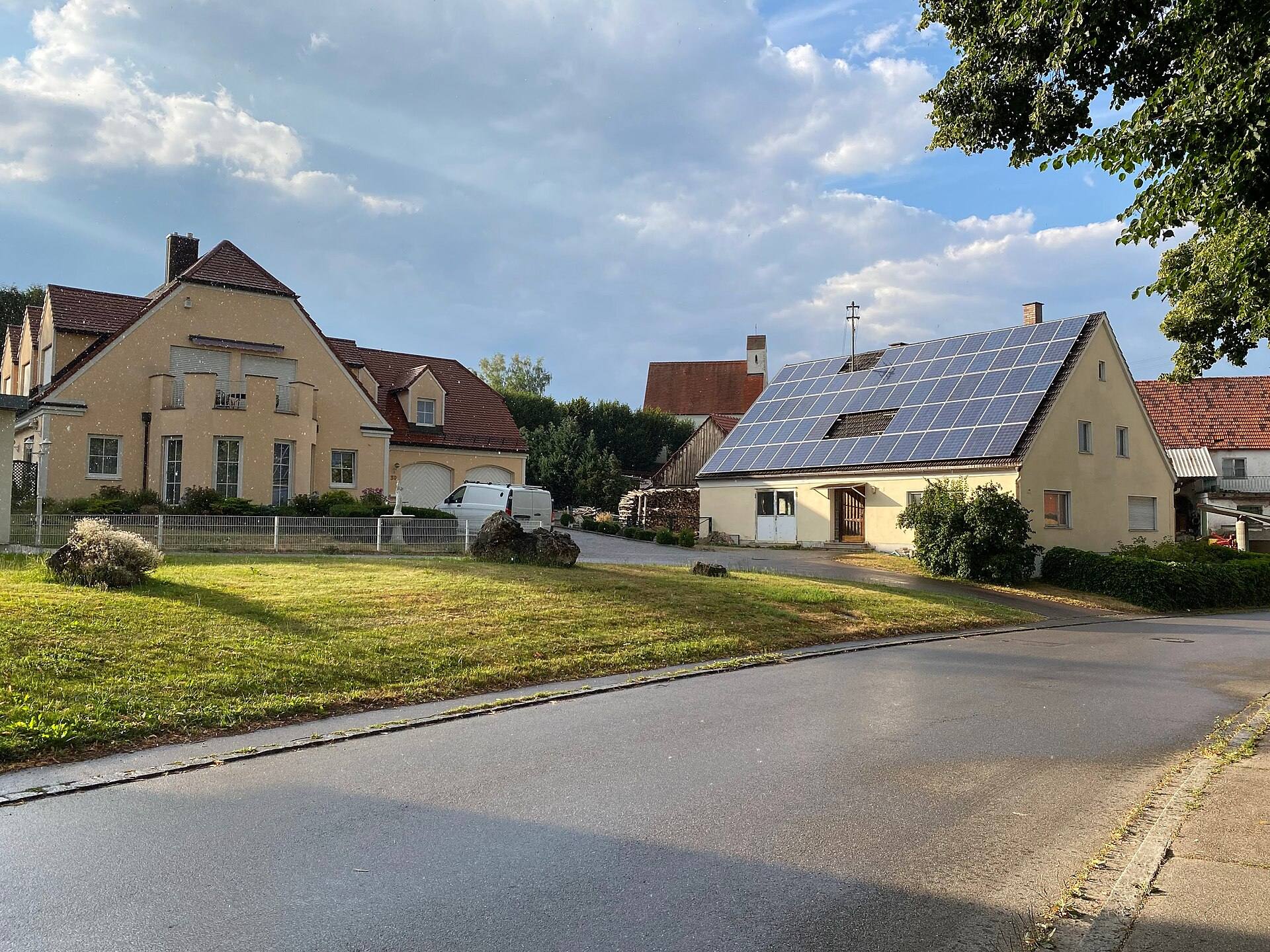
The agreement covers technical details only. CDU deputy group leader Sepp Müller said on 14 November that there is no final EEG agreement until the whole energy package is agreed, and SPD deputy Armand Zorn said the same of all the laws. The main dispute is the grid package, where Economy Minister Katherina Reiche wants to limit compensation for new wind and solar plants that are switched off when lines are overloaded, and the SPD wants more flexible connections instead.6,7,8
The coalition aims to pass the EEG in the Bundestag in the last sitting week of November, and the Bundesrat could deal with it on 18 December at the earliest. Scheer has warned that EU approval of the current support framework for new plants expires at the end of the year. None of the reports gives a feed-in rate for systems switched on in 2027.6,7,8,9

What a system switched on in 2026 earns
The draft's transition rules say the current EEG applies to systems commissioned before 1 January 2027. The Bundesnetzagentur's published rates for rooftop systems switched on from 1 August to 31 December 2026 are 7.70 ct/kWh for the first 10 kW with partial feed-in and 6.66 ct/kWh for capacity from 10 to 40 kW; full feed-in pays 12.22 ct and 10.24 ct.1,2
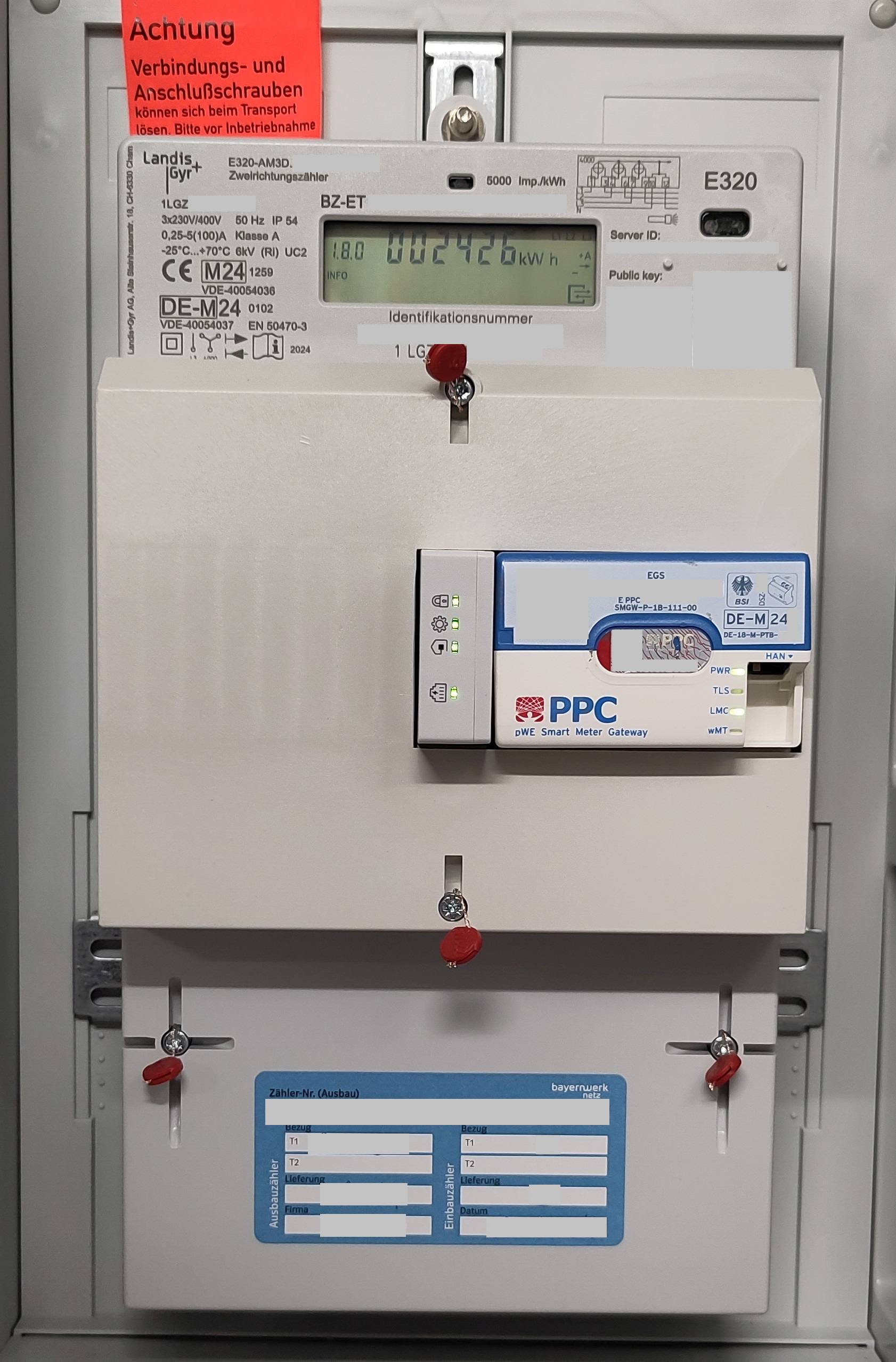
The law pays these rates for 20 years, extended to 31 December of the twentieth year. Under current rules a system below 25 kW on the tariff must limit its feed-in to 60% of capacity until a smart meter and control unit are fitted and tested, and once the meter is in, it is paid nothing for periods when the spot price is negative.3,4,5
Worked example: export it or use it
Take a household with a system under 10 kW switched on in December 2026 that exports 5,000 kWh a year, an illustrative figure. At 7.70 cents that earns €385 a year, or about €7,700 over 20 years at today's rate, before any hours lost to negative prices.2,4,5
BDEW, the energy industry association, puts the average 2026 household price for new contracts at 37.3 ct/kWh, based on 3,500 kWh a year. Each kWh used at home instead of bought therefore saves about 4.8 times what it earns when exported: shifting 1,000 kWh into a battery, heat pump or electric car saves about €373, close to the income from the whole 5,000 kWh exported. In this example, how much of the power the household uses itself matters more than the export rate the final law sets.2,10
What to check before you sign
If an installer promises a 2027 tariff, ask which version of the law it assumes, because none has been passed and no 2027 rate has been published. If you can, have the system commissioned before 31 December 2026, and check the grid operator's timetable for meter installation. Charjin will update this piece when the Bundestag votes.1,2,6
Common questions
Does the change affect solar systems already on my roof?
No. The government draft says the current EEG keeps applying to systems commissioned before 1 January 2027, so existing owners keep their tariff for the rest of its 20-year term.
Is the 25 kW compromise law yet?
No. It comes from an SPD letter on talks between the coalition groups. The CDU says nothing is final until the whole energy package is agreed, and the Bundestag and Bundesrat still have to vote.
What happens to balcony plug-in solar?
The draft exempts plug-in devices up to 2 kW of panels and 800 VA of inverter output from the 50% feed-in cap. The reports on the compromise do not mention them.
Evidence register
The material behind the conclusion. Bracketed numbers in the text point here.
- 01
primary accessed 15 November 2026
Deutscher Bundestag. The government's EEG 2027 bill (in German): end of the fixed tariff for new systems, a transitional payment of at most 36 months, the 50% feed-in cap, the plug-in exemption and the rule that systems commissioned before 1 January 2027 stay under current law.
- 02
primary accessed 15 November 2026
EEG-Förderung und -Fördersätze
Bundesnetzagentur. The regulator's published feed-in rates (in German) for systems commissioned from 1 August to 31 December 2026: 7.70 and 6.66 ct/kWh partial feed-in, 12.22 and 10.24 ct/kWh full feed-in.
- 03
primary accessed 15 November 2026
§ 9 EEG 2023: Technische Vorgaben
Federal Ministry of Justice (gesetze-im-internet.de). Current law (in German) limiting feed-in of tariff-paid systems below 25 kW to 60% of capacity until a smart meter and control unit are installed and tested.
- 04
primary accessed 15 November 2026
§ 25 EEG 2023: Beginn, Dauer und Beendigung des Anspruchs
Federal Ministry of Justice (gesetze-im-internet.de). Feed-in tariffs are paid for 20 years, extended to 31 December of the twentieth year for statutory rates (in German).
- 05
primary accessed 15 November 2026
§ 51 EEG 2023: Verringerung des Zahlungsanspruchs bei negativen Preisen
Federal Ministry of Justice (gesetze-im-internet.de). No payment for periods of negative spot prices, applying to systems below 100 kW from the year a smart meter is fitted (in German).
- 06
reference accessed 15 November 2026
EEG-Reform: Überblick zu Einspeisevergütung, Biomasse und Co.
ZfK – Zeitung für kommunale Wirtschaft. Details of the Scheer letter: 25 kW threshold, 26–50 kW at annual market value, 50% cap only from 26 kW, curtailment at the connection point, Müller and Zorn statements and the November and 18 December timetable (in German).
- 07
reference accessed 15 November 2026
Reiche scheitert mit EEG-Plan: Koalition will Einspeisevergütung für kleinere Solaranlagen erhalten
Der Tagesspiegel. Reuters-based report of the compromise, the dispute over the grid package and the end-of-year expiry of EU approval (in German).
- 08
reference accessed 15 November 2026
Solarförderung für kleine Anlagen soll bleiben
Volksstimme (dpa). dpa report confirming the technical-level agreement, Müller's reservation, the dispute over curtailment compensation and the 18 December Bundesrat target (in German).
- 09
reference accessed 15 November 2026
Einspeisevergütung bleibt: Koalition will Reiches EEG-Plan für Solaranlagen kippen
t-online. Report of 15 November on the 25 kW threshold, the 26–50 kW rule and the uncertain November vote (in German).
- 10
data accessed 15 November 2026
BDEW-Strompreisanalyse Oktober 2026: Haushalte und Industrie
BDEW. Average 2026 household electricity price of 37.3 ct/kWh for new contracts at 3,500 kWh a year (in German).
No corrections recorded. Last checked 15 November 2026.