ReportBatteries and supply chain
India bans exports of lithium-ion battery black mass. What it changes for recyclers, battery makers and EV owners
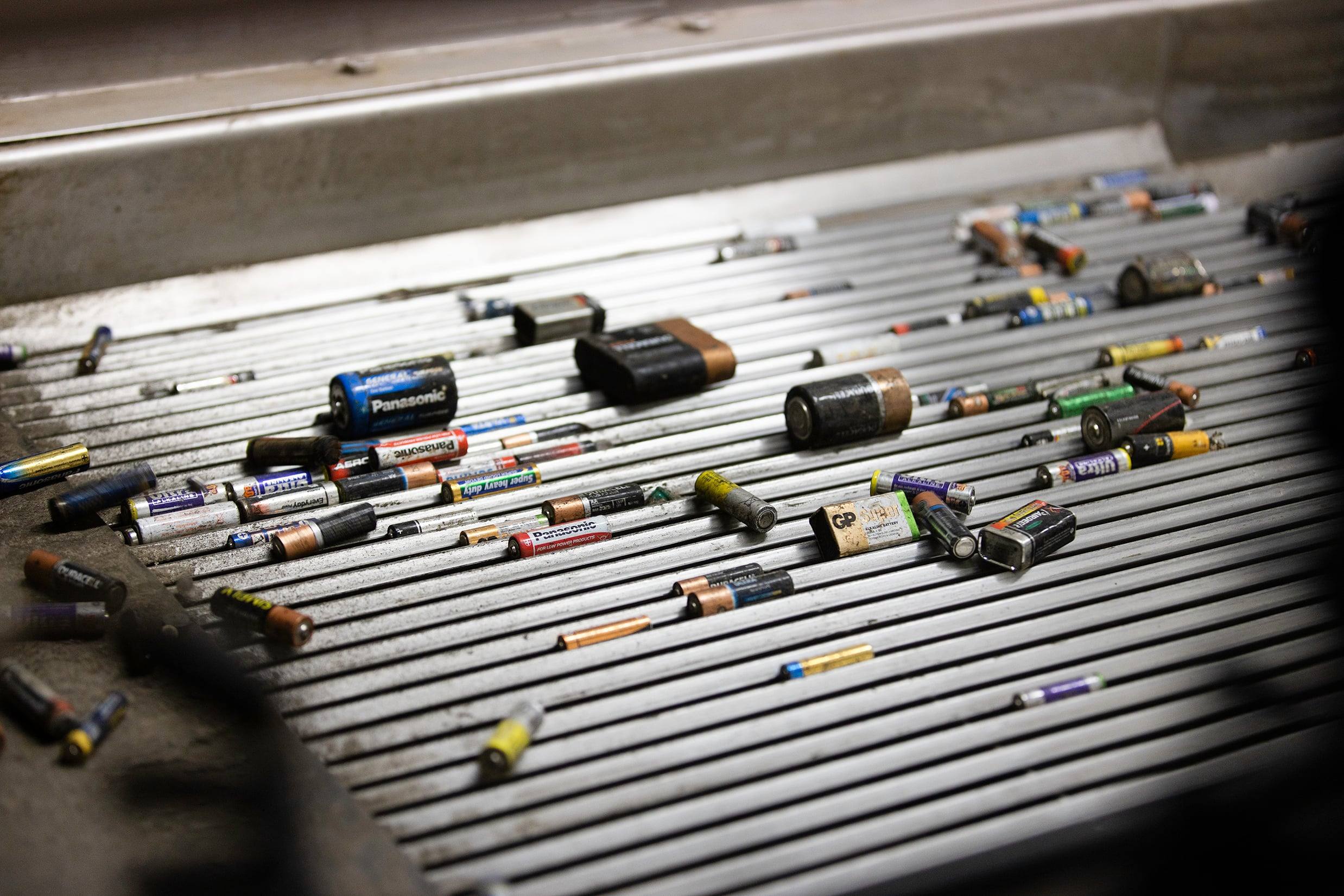
From 10 November, shredded lithium-ion battery waste can no longer leave India. The government wants the lithium, cobalt and nickel in it refined at home, and its own recycling rules already pay more for battery waste collected in India.
By Charjin Editorial Desk4 minutes11 sources
What has India banned, and does it affect people who own an electric car, scooter or e-rickshaw?
The short answer. India has moved lithium-ion battery black mass, the shredded powder made from spent batteries and factory scrap, from 'free' to 'prohibited' for export with immediate effect from 10 November 2026. Owners do not need to do anything new: the rules already say a spent battery must go to a registered collector, refurbisher or recycler. The change matters most to recyclers and to the battery makers who buy recycling credits from them.
The short version
- DGFT Notification No. 49/2026-27, dated 10 November 2026, makes exports of lithium-ion battery black mass under ITC(HS) 85491400 prohibited 'until further orders'.
- The government says domestic recycling and refining plants have been short of feedstock, and that some had to import black mass while Indian material went abroad.
- Under the 2022 Battery Waste Management Rules, a kilogram of domestic battery waste already earns 25% more recycling credit than a kilogram of imported waste.
- Battery makers must use recycled material in new EV batteries from 2027-28: 5% of dry weight, rising to 20% from 2030-31.
- The government has not said how much black mass India exported, so the size of the shift is not yet known.
What the notification does
The Directorate General of Foreign Trade (DGFT) issued Notification No. 49/2026-27 on 10 November 2026. It changes the export policy for ITC(HS) code 85491400, which covers unsorted waste, scrap and spent cells and batteries that contain no lead, cadmium or mercury, from 'Free' to 'Prohibited'. The notice names the item as lithium-ion battery black mass, takes effect immediately and runs until further orders.1,2
Black mass is the powder left after spent lithium-ion batteries and battery factory waste are shredded. According to the Press Information Bureau (PIB), it holds recoverable lithium, cobalt, nickel and manganese. The notice applies the transitional arrangements in Para 1.05 of the Foreign Trade Policy 2023, but it does not explain how they apply to shipments already contracted.1,2
Reuters, SolarQuarter and Mining.com.au all reported the change within two days. Mining.com.au noted that the government has not disclosed how much black mass India exported before the ban, or what it was worth.6,7,8
Why the government wants the feedstock at home
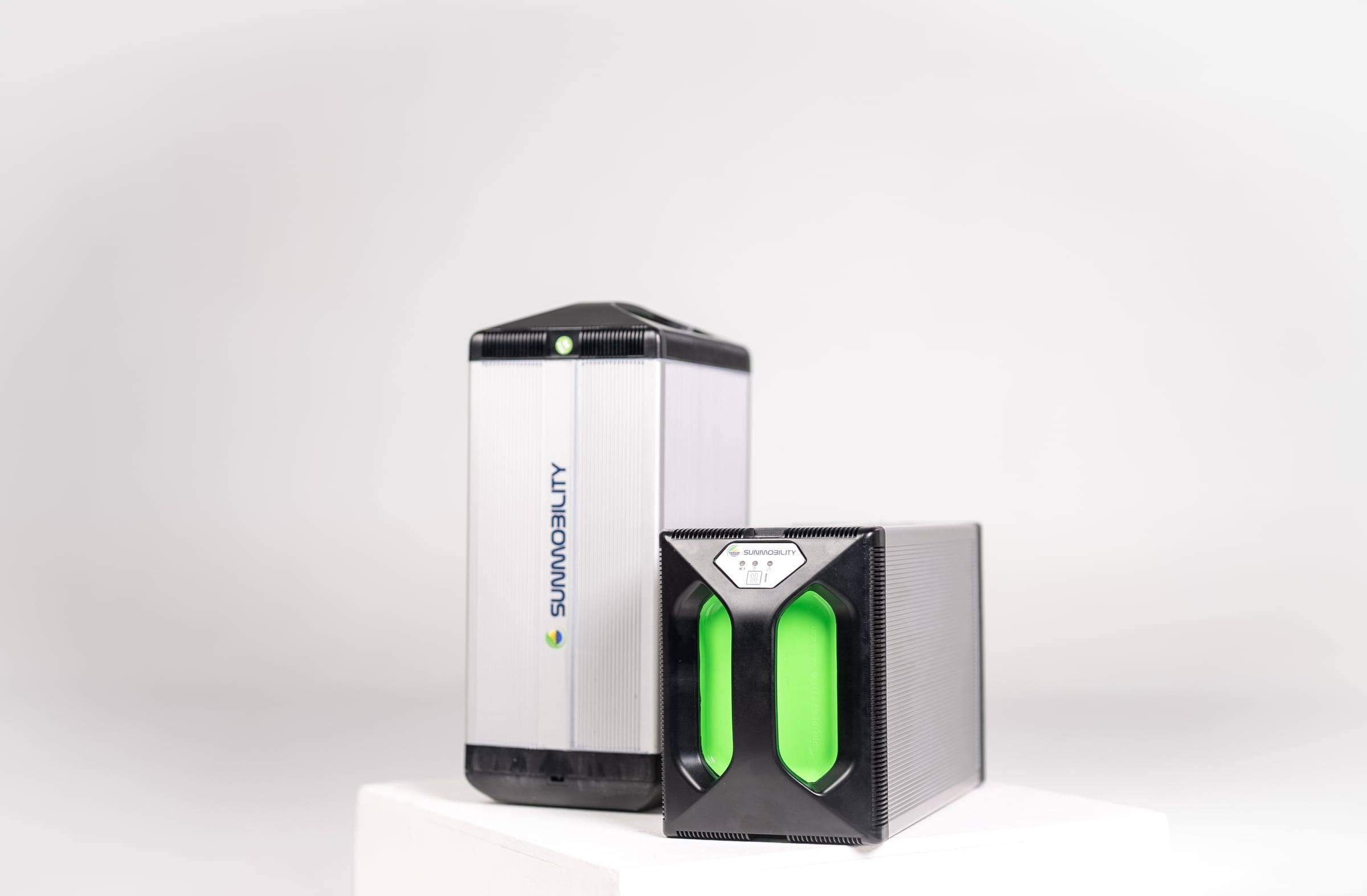
The PIB statement says India's capacity to recycle battery waste and refine critical minerals from it has grown, but is not fully used because there is not enough feedstock. It adds that some domestic recyclers have had to import black mass while material generated in India was exported.2
The ban follows two incentive schemes. A ₹1,500 crore recycling scheme, approved in September 2025 and running to 2030-31, pays a 20% capital subsidy, but only to plants that actually extract critical minerals. Plants that only make black mass are excluded. The government expects it to add at least 270,000 tonnes a year of recycling capacity and about 40,000 tonnes a year of critical minerals.3
On 4 November 2026 the Cabinet approved a ₹2,814 crore scheme that offers a 30% capital subsidy for two lithium plants of at least 30,000 tonnes and two nickel plants of at least 50,000 tonnes. The lithium plants will process ores and concentrates, not battery waste. Reuters put the outlay at $300.2 million at ₹93.7475 to the dollar.4,6,11
The recycling rules already favour domestic waste
Under the Battery Waste Management Rules, notified in August 2022, producers meet their extended producer responsibility (EPR) by buying certificates from registered recyclers. A recycler's certificates are its actual recovery divided by the year's target, multiplied by the kilograms processed, multiplied by (1 − A). A is 0 for battery waste generated in India and 0.2 for imported waste. The recovery target for EV batteries is 90% of dry weight from 2026-27.5
Here is a worked example from that formula. A recycler that processes 1,000 kg of Indian EV battery waste this year and recovers 90% earns 1,000 kg of certificates. The same work on imported waste earns 800 kg. If recovery slips to 72%, the domestic batch drops to 800 kg as well. Domestic feedstock is therefore already worth a quarter more per kilogram in certificates, and the ban keeps more of it in the country.5
The same rules require producers to put domestically recycled material into new EV batteries, measured against the battery's total dry weight. The share is 5% in 2027-28, 10% in 2028-29, 15% in 2029-30 and 20% from 2030-31. For a battery with 100 kg of dry weight, that means 5 kg of recycled material in 2027-28 and 20 kg from 2030-31. These figures are from the rules as notified in 2022; Charjin has not checked later amendments.5
Who gains and who loses
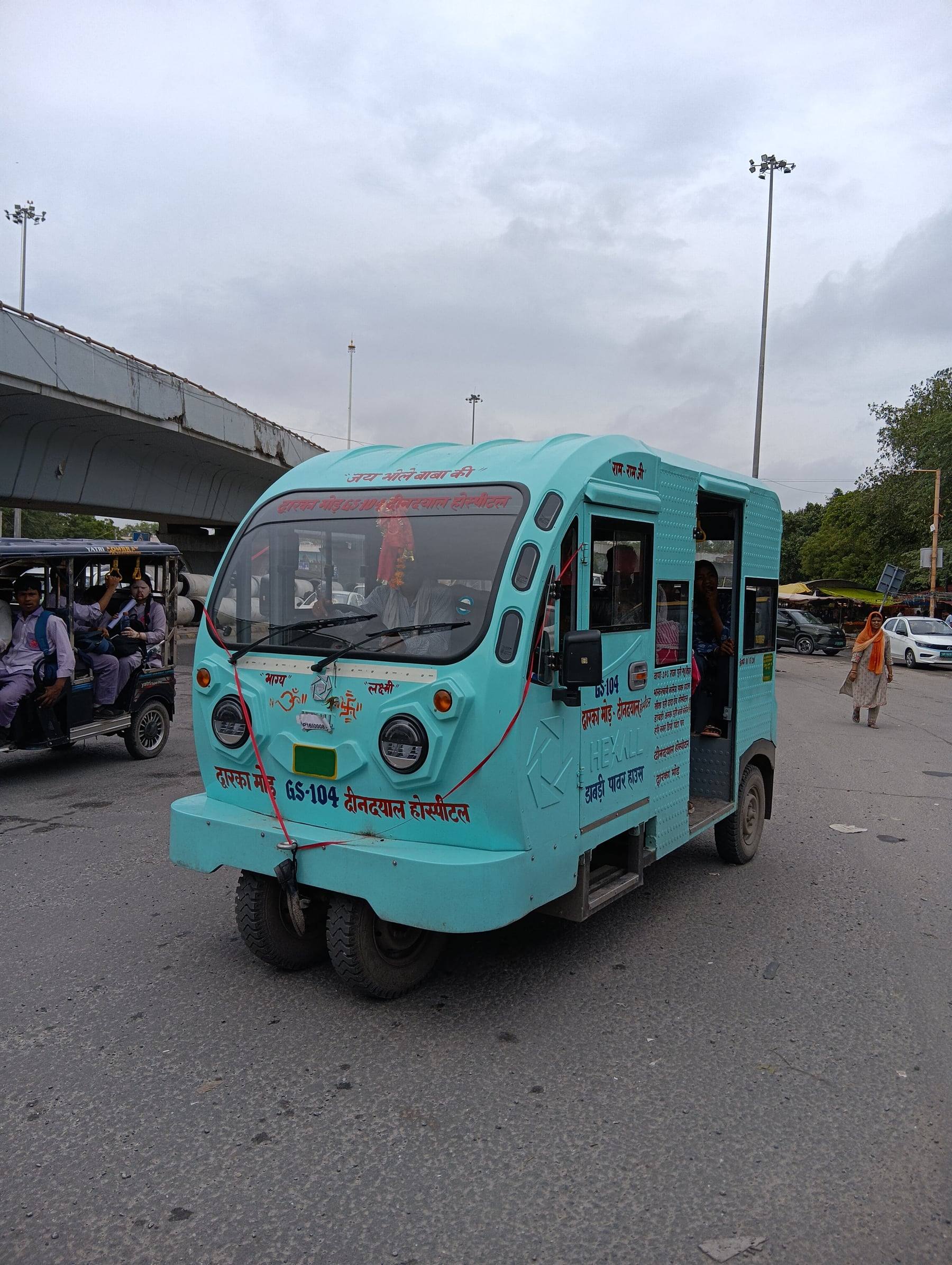
Refiners gain feedstock. A year ago EVreporter reported claimed capacities of up to 15,000 tonnes of black mass a year at Attero, 10,000 tonnes at Rubamin's Gujarat plant and 7,600 tonnes at Exigo's Karnal facility. These figures come from the companies and have not been independently checked.9
Smaller shredding firms lose an outlet. In the same EVreporter survey, some recyclers said foreign buyers paid about 2% more than Indian refiners. Others asked for any curbs to be phased in and agreed through consultation. In October 2025 EVreporter also reported unconfirmed claims that some exporters had relabelled black mass to get round earlier hazardous-waste controls.9,10
What owners and buyers should check
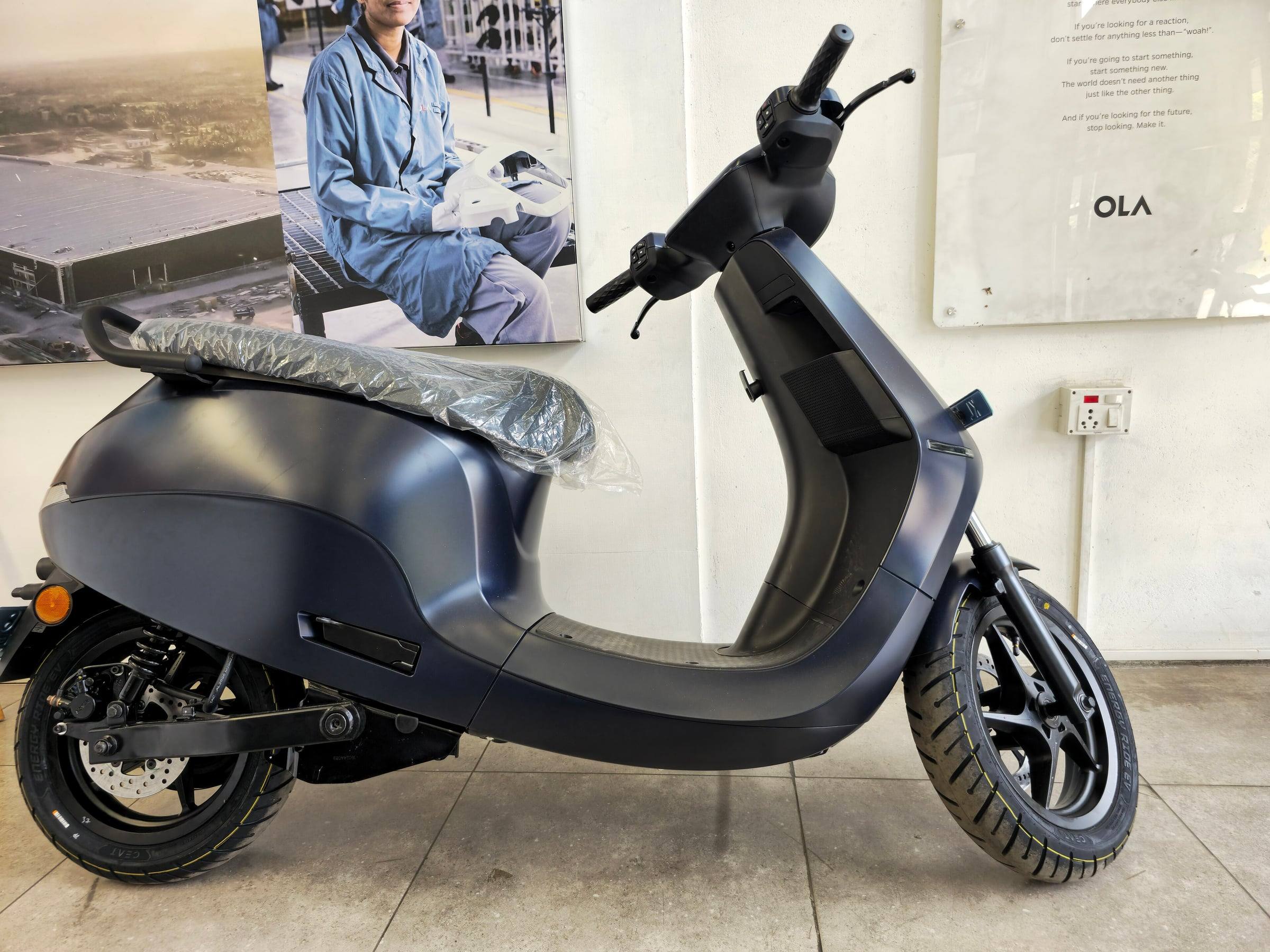
Nothing changes for an EV, scooter or e-rickshaw owner. The 2022 rules already require consumers to keep spent batteries apart from other waste and hand them to an entity that collects, refurbishes or recycles them. Producers carry the collection and recycling targets, so a battery or vehicle maker's take-back route is the one to use.5
Some things are still open. The government has not published export volumes, so nobody yet knows how much extra feedstock refiners will get. It is also too early to say whether EPR certificate prices or battery replacement costs will move. Fleet operators who sell old packs to scrap dealers should check that the buyer is a registered recycler, because an informal buyer can no longer send the shredded material abroad.1,5,8
Common questions
Does the ban stop India exporting refined lithium or cobalt?
No. The notification covers only ITC(HS) 85491400, the unsorted battery waste and scrap it calls lithium-ion battery black mass. Refined metals and salts are not named in it.
Does it cover lead-acid batteries?
No. The item covered is waste and spent batteries that contain no lead, cadmium or mercury.
How long will the ban last?
The notification says 'until further orders'. It gives no end date.
Evidence register
The material behind the conclusion. Bracketed numbers in the text point here.
- 01
primary accessed 12 November 2026
Directorate General of Foreign Trade, Government of India. The notification text: code 85491400 moved from Free to Prohibited with immediate effect until further orders, with Para 1.05 transitional arrangements applying (scanned PDF, read from the image).
- 02
primary accessed 12 November 2026
Press Information Bureau, Ministry of Commerce & Industry. Defines black mass and its metals, and gives the government's reasons: under-used domestic capacity, short feedstock, and recyclers importing material while Indian black mass was exported.
- 03
primary accessed 12 November 2026
Press Information Bureau, Cabinet. Terms of the 2025 recycling scheme: tenure, 20% capex subsidy, exclusion of black-mass-only production, ceilings and expected capacity.
- 04
primary accessed 12 November 2026
CAPEX Support Scheme to Promote Critical Mineral Processing
Press Information Bureau. Terms of the ₹2,814 crore lithium and nickel processing scheme approved on 4 November 2026, including plant sizes and ore and concentrate feedstock.
- 05
primary accessed 12 November 2026
Battery Waste Management Rules, 2022 (S.O. 3984(E), 22 August 2022)
Ministry of Environment, Forest and Climate Change, via Central Pollution Control Board. Consumer duties, the EV battery recovery targets, the EPR certificate formula with its 0.2 discount for imported waste, and the recycled-content schedule for new batteries.
- 06
reference accessed 12 November 2026
India bans export of lithium-ion battery recycled material
Reuters (via Kitco News). Reuters report on the ban, giving the dollar value and exchange rate for the processing scheme.
- 07
reference accessed 12 November 2026
India Prohibits Export Of Lithium-Ion Battery Black Mass Under Revised DGFT Policy
SolarQuarter. Independent Indian report confirming the notification number, date, code and change from Free to Prohibited.
- 08
reference accessed 12 November 2026
India bans exports of lithium-ion battery waste
Mining.com.au. Confirms the 10 November change and reports that the government has not disclosed past export volumes or value.
- 09
reference accessed 12 November 2026
Government tightens lithium-ion battery black mass export curbs | Stakeholders share perspective
EVreporter. Recyclers' and refiners' views from November 2025, with company-stated refining capacities and the claimed price gap with export buyers.
- 10
reference accessed 12 November 2026
Indian lithium-ion battery recyclers are allegedly dodging the black-mass export ban again
EVreporter. Unconfirmed claims from an unnamed insider, October 2025, that exporters were relabelling black mass to avoid hazardous-waste controls.
- 11
reference accessed 12 November 2026
Cabinet Clears ₹2,814 Cr Scheme To Boost Lithium & Nickel Processing
Inc42. Independent report confirming the processing scheme's outlay, subsidy share and plant sizes.
No corrections recorded. Last checked 12 November 2026.